Hungary Accuses Ukraine of Plotting Energy Disruption, Escalating Bilateral Tensions
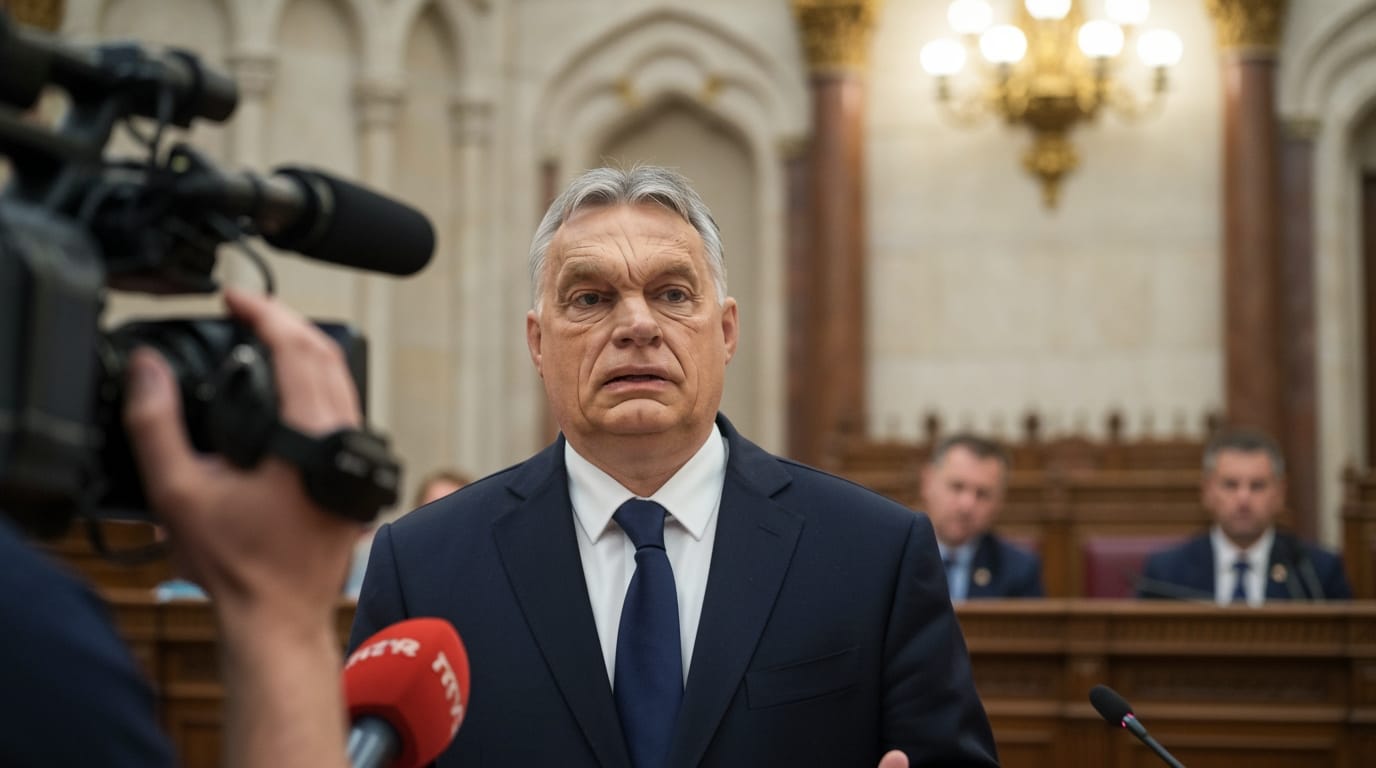
BUDAPEST – Hungary has accused Ukraine of orchestrating a plot to disrupt its energy supply, a significant escalation in an already strained relationship between the two neighboring nations. Prime Minister Viktor Orbán has ordered heightened security measures for Hungary's critical energy infrastructure, citing intelligence reports of potential Ukrainian sabotage. The dramatic pronouncement comes amidst an ongoing dispute over the flow of Russian oil via the Druzhba pipeline and just weeks before Hungary's pivotal parliamentary elections, with Budapest asserting that Kyiv's actions constitute political blackmail aimed at influencing the upcoming vote.
Hungary Bolsters Defenses Amid Sabotage Allegations
On Wednesday, Prime Minister Orbán announced a series of robust measures to safeguard Hungary's energy assets. These include an increased police presence, the deployment of military troops to key sites, and a drone ban in Szabolcs-Szatmár-Bereg county, which borders Ukraine. Orbán stated that these steps were a direct response to intelligence indicating Ukraine was "preparing further actions aimed at disrupting the operation of Hungary's energy system." The Hungarian leader emphasized that the country "cannot be blackmailed" and vowed to defend Hungarian national interests against attempts to drag it into the conflict. Political director Balázs Orbán further alleged on X that "pro-war leaders led by Ursula von der Leyen" had agreed in Kyiv to "continuing the war and on maintaining pressure on Hungary."
At the heart of the dispute is the Druzhba pipeline, a crucial conduit for Russian oil to Central Europe. Shipments through the pipeline, which supplies a significant portion of Hungary's and Slovakia's energy needs, have been halted since January 27. Hungarian officials contend that Ukraine is deliberately blocking the transit of oil, a move they describe as "political blackmail" designed to pressure Budapest into abandoning its neutral stance on the war, severing Russian energy ties, and providing financial and military aid to Ukraine.
Kyiv Denies Accusations, Cites War Damage
Ukrainian officials have vehemently denied Hungary's allegations, attributing the disruption in the Druzhba pipeline's operations to damage sustained during Russian drone attacks. They maintain that repairs are hazardous given the ongoing conflict and that the pipeline can only operate reliably if Russia ceases targeting energy infrastructure. This counter-narrative suggests the interruption is a consequence of the war, not a deliberate act of sabotage or political maneuvering by Kyiv. Despite this, Hungary's government has publicly dismissed the technical explanations, with Prime Minister Orbán arguing there is "no technical obstacle" to resuming oil transit. The exact technical and political reasons behind the prolonged halt remain contested and unclear, creating a vacuum that has fueled Budapest's accusations.
Diplomatic Reprisals and Fractured European Unity
The escalating energy dispute has rapidly spilled over into broader diplomatic and economic arenas, further straining Hungary's relations with Ukraine and raising concerns within the European Union. In a coordinated move with Slovakia, Hungary has suspended diesel exports to Ukraine. Hungarian Prime Minister Orbán has also threatened to cut off electricity supplies to Ukraine if oil transit through the Druzhba pipeline is not resumed, a move that could have severe consequences for Ukraine, which relies on Hungary for a significant portion of its electricity imports, accounting for up to 50% in February 2026.
Beyond these direct energy-related actions, Hungary has leveraged its position within the European Union to exert pressure. Budapest has announced it will block a substantial €90 billion EU loan package intended to assist Kyiv with its military and financial needs, demanding the resumption of oil flows as a prerequisite. Additionally, Hungary has vetoed the 20th sanctions package against Russia, further obstructing EU efforts to penalize Moscow. These actions have drawn sharp criticism from other European leaders, with Poland's Prime Minister Donald Tusk describing Hungary's stance as "political sabotage" and accusing Budapest of undermining support for Ukraine. The European Commission, however, has indicated it will not pressure Ukraine to repair the pipeline, a position Hungary views as aligning Brussels with Kyiv and demonstrating "double standards."
Domestic Politics and Geopolitical Undercurrents
The accusations leveled by Prime Minister Orbán against Ukraine are deeply intertwined with Hungary's domestic political landscape and its unique geopolitical position. Hungary is set to hold parliamentary elections on April 12, and Orbán's government has repeatedly framed the energy dispute as an attempt by Kyiv and its allies to interfere in the electoral process. Orbán has alleged that Ukraine is trying to destabilize his government by driving up energy prices and has even claimed that the opposition Tisza Party is "funded by Ukraine" as part of a "secret agreement" to unseat him. These claims contribute to an aggressive anti-Ukraine media campaign within Hungary, portraying the embattled nation as an existential threat.
Hungary and Slovakia remain highly dependent on Russian oil and gas, a dependency that has afforded them exemptions from EU policies prohibiting Russian energy imports. This reliance contrasts sharply with the broader European trend of reducing Russian energy ties since the invasion of Ukraine. Orbán has consistently argued that Russian fossil fuels are indispensable for Hungary's economy, a stance that has often seen him maintain the closest relationship with the Kremlin among EU leaders. This complex interplay of energy security, domestic politics, and foreign policy continues to fuel tensions and complicate the international response to the ongoing conflict.
The current standoff highlights the profound challenges to European unity and energy security amidst the ongoing war. While Hungary asserts it is protecting its national interests against what it perceives as Ukrainian coercion and electoral interference, Kyiv maintains that the disruptions are a direct consequence of Russian aggression. As the April 12 Hungarian elections draw near and the Druzhba pipeline remains inoperative, the diplomatic acrimony and practical implications for regional energy supply show no immediate signs of abating. The situation underscores the fragile balance of power and alliances within Europe, with far-reaching consequences for all parties involved.


