Hungary Enters New Era as Péter Magyar Sweeps to Power, Vowing Democratic Renewal
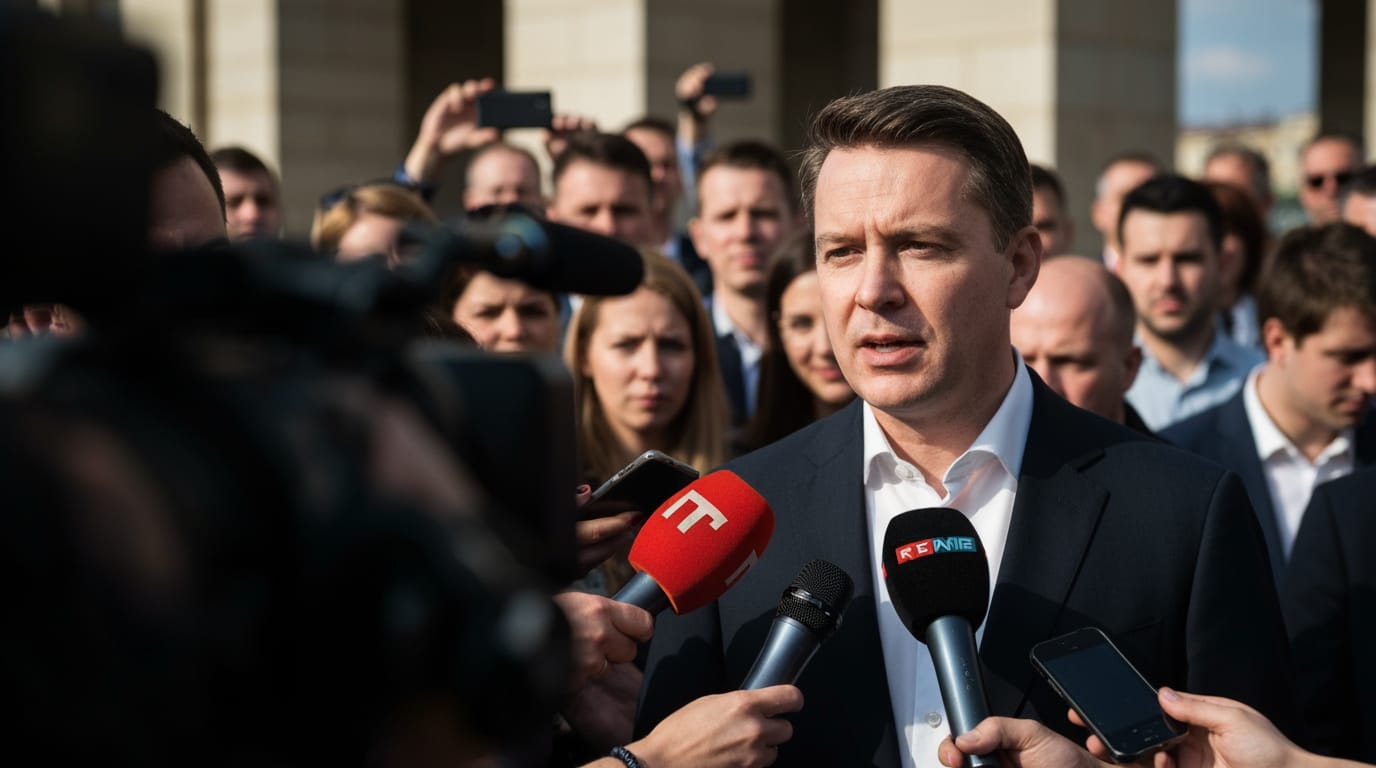
BUDAPEST – In a seismic shift in Hungarian politics, Péter Magyar and his nascent Tisza Party have secured a landslide victory in the parliamentary elections held on April 12, 2026, decisively ending Viktor Orbán's 16-year tenure as Prime Minister. The unprecedented win, which saw Tisza secure a two-thirds supermajority with at least 137 of 199 seats, signals a profound reorientation for the Central European nation, promising a return to core democratic values and a strengthened alignment with the European Union.
The election, characterized by a record-high voter turnout of nearly 80%—the highest since the fall of communism in 1990—underscored a widespread desire for change across the country. Magyar, a former insider within Orbán's Fidesz party who emerged as a prominent critic amidst a presidential pardon scandal in early 2024, tapped into deep-seated public discontent over corruption, economic instability, and a perceived erosion of democratic institutions. His victory speech on the banks of the Danube, overlooking the parliament building, resonated with a nation ready to embrace a new direction, with supporters chanting "Russians, go home," a symbolic call for a renewed Western orientation.
Dismantling the Old Order: A Pledge for Rule of Law and Accountability
At the core of Péter Magyar's ambitious agenda is a resolute commitment to dismantling what he describes as the "Orbán regime" and restoring the rule of law. His immediate plans include a sweeping overhaul of state institutions and an aggressive stance against corruption. Magyar has pledged to pursue those who "plundered, looted, betrayed, indebted and ruined" Hungary, indicating a focus on accountability for past abuses.
A key promise made during his campaign, and reiterated following the victory, is Hungary's imminent accession to the European Public Prosecutor's Office (EPPO). This move is anticipated to unlock billions of euros in frozen EU funds, which were withheld due to concerns over rule of law deficiencies under the previous administration. Magyar also aims to restore the independence of the judiciary and ensure media freedom, announcing his intent to suspend news broadcasts from "state-captured" public TV and radio until unbiased coverage can be ensured. He has called for the resignation of high-ranking officials perceived as loyalists to the former regime, including the president, chief justices, attorney general, and head of the media regulator. Furthermore, the Tisza Party plans to amend the constitution to introduce a two-term limit for the prime minister's office, a measure that, if applied retroactively, would prevent Orbán from seeking the position again.
Re-engaging with Europe: A Pro-Western Pivot
Magyar's victory signals a significant pivot in Hungary's foreign policy, moving away from Orbán's often confrontational stance towards the European Union and NATO. He has consistently presented himself as a "critical" pro-European and conservative liberal, promising to make Hungary a "strong ally" within both alliances. His initial foreign trips are planned for Warsaw, Vienna, and Brussels, underscoring a commitment to rebuild trust and cooperation with key European partners.
The new government is expected to actively seek to resolve outstanding issues with the EU and restore Hungary's access to crucial funds. While acknowledging the complex relationship with Russia, Magyar has stated he would tell Russian President Vladimir Putin to "end the war and the killings" if contact were made. Regarding Ukraine, Tisza plans to stop blocking EU financial support for Kyiv and foster friendly relations, though a fast-tracked EU membership for Ukraine would likely be subject to a national referendum. The incoming Prime Minister has also indicated a desire for strong relations with the United States, despite former President Donald Trump's past support for Orbán. In a move symbolic of re-engagement with international norms, Magyar has vowed to relaunch Hungary's accession to the International Criminal Court (ICC), reversing a previous withdrawal.
Domestic Reforms and Economic Challenges
Beyond political reforms, Tisza's manifesto outlines a broad agenda for domestic improvement. Priorities include a significant push for better education, healthcare, and social support, addressing issues such as Hungary's low elderly life expectancy and high rates of avoidable deaths within the EU. Economically, the new government faces the immediate challenge of tight fiscal constraints and an ongoing EU excessive deficit procedure.
Tisza proposes both higher spending in key social sectors and lower taxes, with plans to introduce a wealth tax on "forint billionaires," which could generate over 0.1% of GDP. This is particularly relevant given Hungary's low wealth-based taxes compared to other OECD countries and high consumption taxes disproportionately affecting low-income households. The party also aims for euro-area entry, believing it could reduce Hungary's risk premium and provide a credible inflation anchor, especially after the country experienced the EU's highest inflation rate in early 2023. Achieving these ambitious fiscal goals will require careful management, as immediate savings from anti-corruption efforts and streamlined public administration are unlikely to materialize quickly.
The Road Ahead: Overcoming Entrenched Obstacles
While the euphoria of victory is palpable, particularly among the tens of thousands who celebrated in Budapest, the path ahead for Péter Magyar and the Tisza Party is fraught with challenges. The party's supermajority grants it significant power to enact constitutional changes, but the deep entrenchment of Fidesz loyalists within various state institutions and public administration poses a formidable obstacle to rapid reform.
Magyar's ability to navigate these institutional hurdles, restore public trust, and deliver on his promises of transparency and accountability will be crucial. His success will not only redefine Hungary's domestic political landscape but also its standing within the European Union, potentially serving as a model for democratic renewal in other member states grappling with similar challenges. The world watches as Hungary embarks on what its new leader hopes will be a genuinely "new era."


