Hungary Escalates Tensions, Blocks Fuel Deliveries to Ukraine Amid Pipeline Dispute
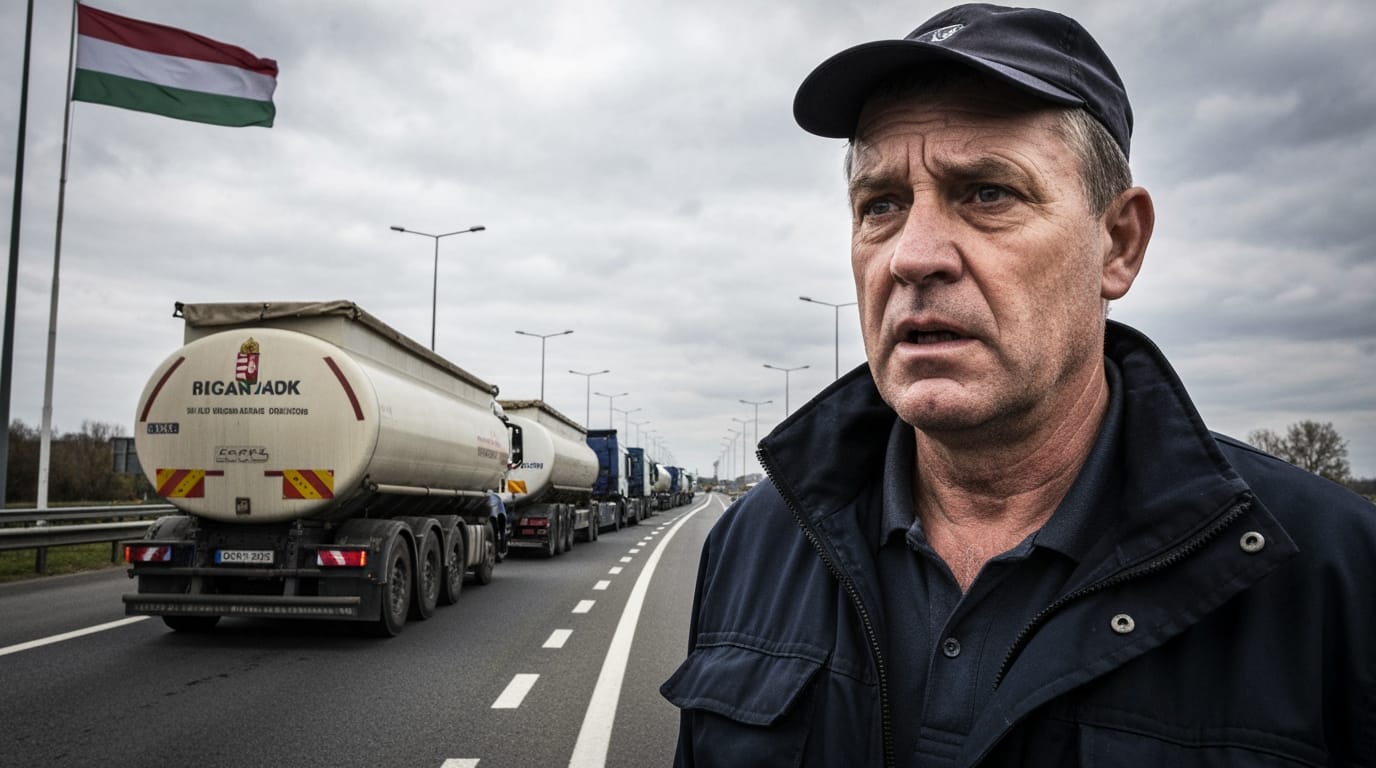
Budapest, Hungary – March 6, 2026 – Hungary has intensified its pressure on Ukraine, halting shipments of diesel and gasoline to its war-torn neighbor and threatening to block critical European Union aid, amid an escalating dispute over Russian oil deliveries via the Druzhba pipeline. The move underscores deeply strained relations between the two countries, adding another layer of complexity to Ukraine's ongoing defense against Russian aggression and challenging the fragile unity within the European Union.
The decision by Budapest to suspend fuel exports, initiated around February 18, 2026, comes after the flow of Russian crude oil through the southern leg of the Druzhba pipeline, a vital energy artery for Central Europe, was interrupted on January 27, 2026. While Ukrainian officials attribute the disruption to damage caused by a Russian drone attack near the Brody oil hub, Hungary, backed by Slovakia, accuses Kyiv of deliberately obstructing the pipeline's operation for political leverage.
The Genesis of the Blockade
The current crisis stems from the cessation of Russian crude oil transit through the Druzhba pipeline, which supplies Hungary and Slovakia. Ukraine's Energy Minister Denys Shmyhal stated that a Russian drone strike severely damaged internal equipment at the Brody pumping station on January 27, rendering the pipeline inoperable. Ukrainian officials have provided photographic evidence of the infrastructure damage and are currently assessing the necessary repairs.
Conversely, Hungarian Foreign Minister Péter Szijjártó has accused Ukraine of "blackmailing" Hungary and deliberately delaying the resumption of oil flows for political reasons, asserting that Budapest has information suggesting no technical impediments remain. Hungarian Prime Minister Viktor Orbán has echoed these sentiments, claiming that satellite imagery proves the pipeline is functional and that Ukraine's actions are politically motivated. This disagreement over the pipeline's operational status has become the flashpoint for broader diplomatic tensions.
Hungary's Stance and Political Calculus
Hungary's actions are rooted in a long-standing policy of maintaining strong ties with Moscow, particularly concerning energy supplies. Both Hungary and Slovakia benefit from a temporary exemption from EU policies prohibiting the import of Russian oil, making them highly dependent on the Druzhba pipeline for their crude oil needs. Hungarian leaders argue that abandoning Russian energy would lead to immediate economic collapse, a claim some experts dispute.
Beyond energy security, the dispute is intertwined with Hungary's domestic political landscape. Prime Minister Orbán, who faces parliamentary elections on April 12, has been criticized for using anti-Ukraine rhetoric as a central theme in his campaign. Orbán views Kyiv's actions as an attempt to interfere in the upcoming elections and to pressure Hungary into more actively supporting Ukraine's war effort and EU accession. He has explicitly stated that Hungary "will not give in to this blackmail" and "will not support Ukraine's war, we will not pay for it." This stance includes blocking a substantial €90 billion (approximately $104 billion) EU loan package critical for Ukraine's survival.
Ukraine's Mounting Challenges
For Ukraine, the Hungarian blockade adds to a growing list of wartime challenges. While analysts suggest that the direct impact of suspended diesel and gasoline shipments from Hungary and Slovakia might be manageable, accounting for up to 10% of Ukraine's total oil imports, the broader implications are more severe. The potential blockage of the €90 billion EU loan is a significant concern for Kyiv, which relies heavily on international financial aid to cover budgetary needs and sustain its defense.
Ukrainian President Volodymyr Zelenskyy has publicly expressed his frustration, taunting Orbán for obstructing vital aid. Ukraine's Foreign Ministry has summoned Hungarian diplomats over what it calls "false claims" regarding the pipeline and urged its citizens to avoid travel to Hungary due to concerns for their safety, citing arbitrary actions by Hungarian authorities. This caution follows an incident where Hungarian authorities detained Ukrainian citizens and armored cash-in-transit vehicles, accusing them of money laundering, which Kyiv decried as a "hostage" situation.
Wider European Ramifications
The escalating row between Hungary and Ukraine has significant ramifications for European unity, particularly as the continent strives to present a united front against Russian aggression. Hungary's consistent resistance to EU sanctions against Russia and its obstruction of aid packages for Ukraine have frequently put it at odds with other member states.
Slovakia, another landlocked country heavily dependent on the Druzhba pipeline, has also suspended diesel exports to Ukraine and threatened to halt emergency electricity supplies. Slovak Prime Minister Robert Fico has echoed Hungary's accusations of Ukrainian political interference, further fragmenting the EU's collective response. The European Commission has struggled to mediate the dispute, with attempts to persuade Hungary and Slovakia to retract their threats proving unsuccessful. This internal strife undermines coordinated efforts to support Ukraine and maintain pressure on Russia, highlighting the deep divisions that persist within the bloc.
Conclusion
The fuel blockade and diplomatic confrontation between Hungary and Ukraine represent a critical test of European solidarity. As Ukraine battles to defend its sovereignty, the actions of an EU and NATO member state that impede its supply lines and financial support are profoundly troubling. The dispute over the Druzhba pipeline, whether a genuine technical issue or a politically motivated leverage play, has exposed deep-seated geopolitical fault lines and complicated the path toward a unified European response to the conflict. The coming weeks, particularly with Hungary's upcoming elections, will likely determine the extent of further escalation and the potential for a resolution to this increasingly acrimonious standoff.


