Hungary on a New Path: Insider's Exposé Reshapes Nation's Political Landscape
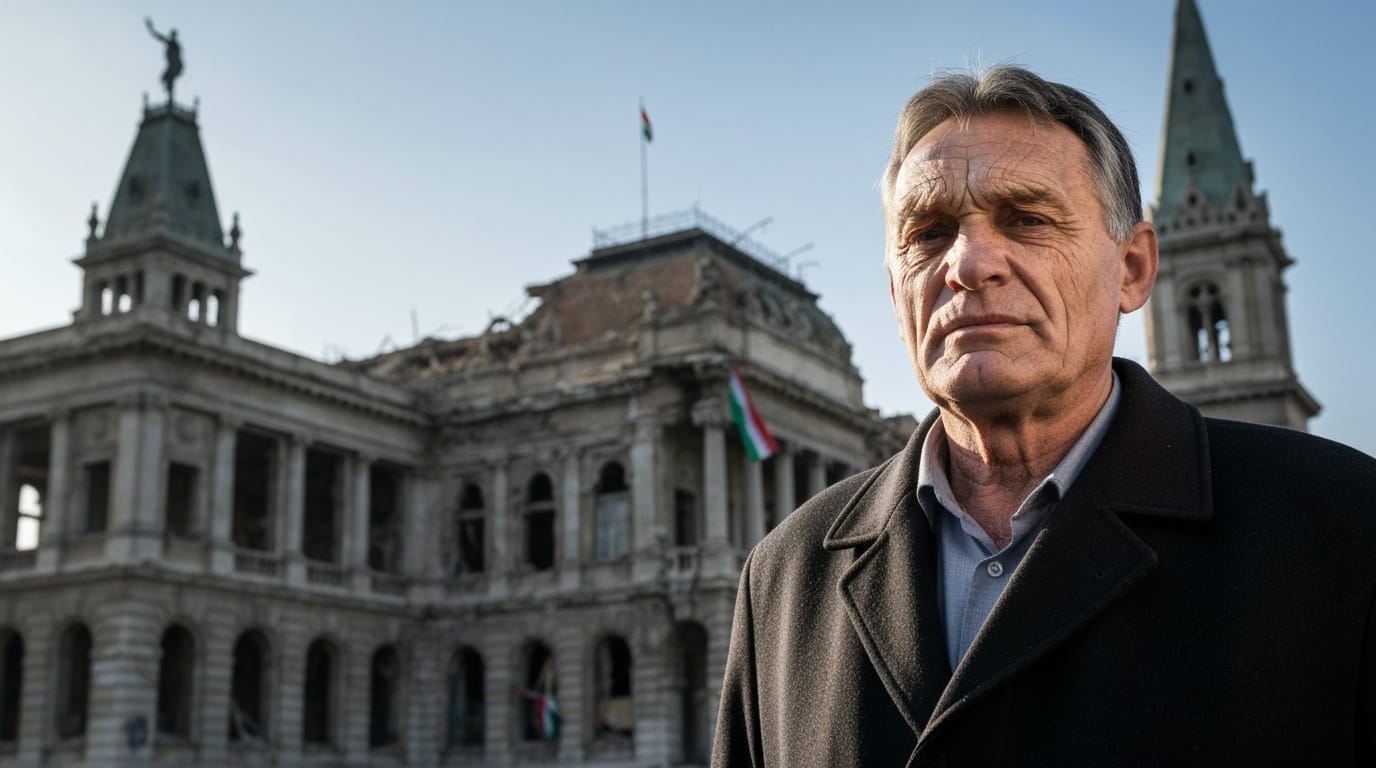
BUDAPEST — A seismic shift has irrevocably altered Hungary's political landscape, culminating in the end of Viktor Orbán's 16-year tenure as Prime Minister. This dramatic change was largely catalyzed by the emergence of Péter Magyar, a former government insider who, through a series of startling revelations and a compelling anti-corruption platform, galvanized public discontent and led his newly formed Tisza Party to a decisive victory in the April 2026 parliamentary elections. Magyar's accusations of widespread governmental decadence, cronyism, and systemic corruption resonated deeply with a populace increasingly frustrated by economic stagnation and perceived abuses of power, ushering in an era that supporters are openly calling a "regime change."
The Insider Who Broke Rank
Péter Magyar, a lawyer and former Fidesz loyalist, initially held significant positions within the Orbán administration, including serving on the board of state-owned companies and leading the national student loan provider. His marriage to Judit Varga, who served as Orbán's Justice Minister from 2019 to 2023, placed him firmly within the highest echelons of the ruling elite. However, Magyar's public break with the government in February 2024 marked a pivotal moment. His departure was triggered by the widespread outrage surrounding a presidential pardon granted by then-President Katalin Novák to a man convicted of covering up child sexual abuse. Varga, who countersigned the clemency documents, also resigned amidst the scandal, amplifying the public's demand for accountability.
Following his resignation from all government-related positions, Magyar accused the Fidesz leadership of hiding "behind women's skirts" and began to articulate deep dissatisfaction with the government's direction. He quickly gained national attention through interviews, stating that "a few families own half the country," pointing to an entrenched system of cronyism and undue influence. This initial critique laid the groundwork for a broader challenge to Orbán's centralized power structure.
Unveiling Allegations of Graft and Manipulation
The cornerstone of Magyar's campaign against government malfeasance was the release of an audio recording in March 2024. This two-minute discussion between Magyar and his ex-wife, Judit Varga, implicated high-ranking officials in the manipulation of evidence within the significant Schadl-Völner corruption case. Specifically, Varga's comments suggested that aides to Minister of the Prime Minister's Cabinet Office Antal Rogán had tampered with documents to remove names associated with the case. While Varga later claimed she made the statements under duress, she did not deny the recording's authenticity, accusing Magyar of using it for political gain and alleging past domestic violence.
Magyar delivered the recording to prosecutors, intensifying scrutiny on the Chief Prosecutor Péter Polt and the entire Orbán government, whom he called upon to resign. These revelations tapped into existing public concerns about systemic corruption, which critics had long accused Orbán's populist government of fostering. The scandal surrounding the recording and the corruption allegations contributed significantly to the perception that the government was operating with a lack of transparency and accountability.
Public Outcry and the Rise of the Tisza Party
The disclosures by Péter Magyar ignited widespread public protests across Hungary, drawing tens of thousands of citizens to the streets of Budapest and other cities. These demonstrations, some of the largest in years, signaled a growing impatience with the ruling Fidesz party and its perceived authoritarian tendencies. On March 15, 2024, Magyar held a significant rally attended by tens of thousands, where he announced his intention to form a new political platform.
He subsequently assumed leadership of the formerly obscure Tisza (Respect and Freedom) Party, transforming it into a formidable political force. The Tisza Party positioned itself as a center-right, pro-European alternative, advocating for the restoration of democratic checks and balances and a robust fight against corruption. Magyar embarked on an extensive campaign, holding numerous events in small towns and villages, effectively reaching voters traditionally loyal to Fidesz. Polls conducted in March 2024 indicated that approximately 15 percent of voters were likely to support Magyar if he ran for office, a number that swelled considerably as the election approached.
An Electoral Earthquake and a New Direction
The April 12, 2026 parliamentary election proved to be an unprecedented political earthquake in Hungary. Péter Magyar's Tisza Party secured a landslide victory, winning approximately 53.1 percent of the vote and a constitutional supermajority with 141 out of 199 seats in parliament. This outcome decisively ended Viktor Orbán's 16-year continuous rule, reducing Fidesz to 52 seats and leaving much of the traditional opposition parties effectively out of parliament. The election saw an unusually high voter turnout, approaching 79 percent, indicating a strong public desire for change.
Several factors contributed to Orbán's downfall, including public fatigue after 16 years in power, severe economic challenges marked by high inflation and stagnation, a crisis in public services, and the pervasive perception of government corruption. The average Hungarian, facing rising food prices and stagnant wages, grew tired of a system that often prioritized propaganda over prosperity.
As the new Prime Minister, Magyar has pledged sweeping reforms. His priorities include establishing an independent anti-corruption office to investigate graft across the government sector, restoring judicial independence, media freedom, and academic autonomy, and limiting prime ministerial terms to two. He also aims to mend Hungary's strained relationship with the European Union to unlock frozen EU funds, totaling billions of euros, which were withheld due to rule-of-law concerns under the previous administration. This shift signals a departure from Orbán's confrontational stance towards Brussels, though Magyar has indicated he will maintain the position of not sending weapons to Ukraine.
The outgoing government, for its part, attempted to counter Magyar's rising influence. Hungarian authorities launched an investigation into Magyar over suspicions of foreign funding for his campaigns, utilizing the new Sovereignty Protection Office, a body that has drawn criticism from rights activists and international officials for its potential to stifle dissent. Additionally, attempts to discredit Magyar involved publicizing allegations of past personal misconduct, including a nightclub altercation and claims of drug presence at a private apartment, which Magyar dismissed as politically motivated "kompromat" operations.
A Nation at a Crossroads
Péter Magyar's ascension to power represents a profound political reordering in Hungary. His victory, propelled by a strong anti-corruption message and a promise to restore democratic integrity, signifies a rejection of the "illiberal democracy" that characterized the Orbán era. Supporters view it as the end of an era and the beginning of a renewed commitment to European values and democratic principles.
The transition will not be without its challenges. Magyar inherits a nation with significant economic hurdles and institutions that have been shaped by years of Fidesz rule. His ability to deliver on promises of reform, particularly in combating corruption and revitalizing the economy, will be crucial. With the EU flag once again displayed at parliament, signaling a clear shift towards renewed cooperation, Hungary stands at a critical juncture, poised for a future that promises significant changes in its domestic governance and international relations.


