Hungary Pivots Towards Eurozone Bid, Signalling Return to EU Mainstream
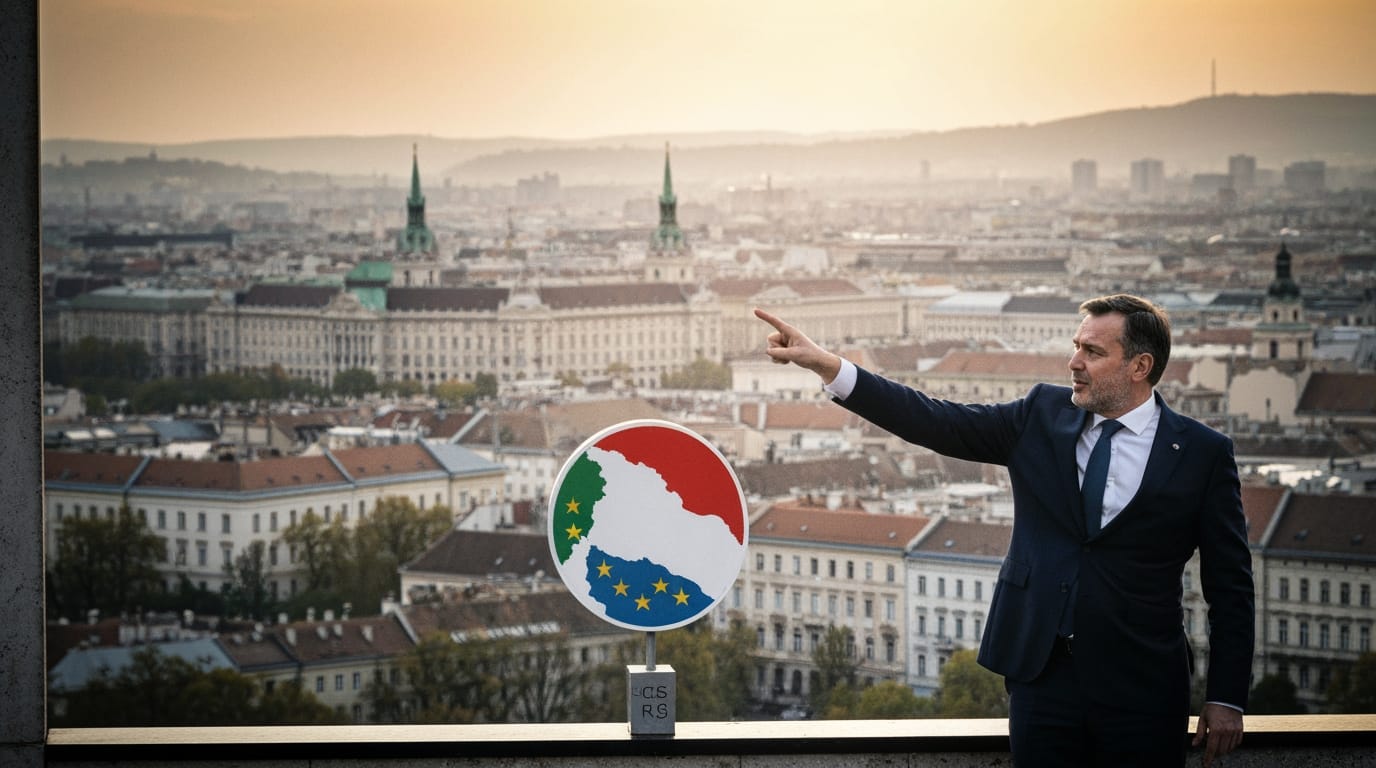
BUDAPEST, Hungary – A profound shift in Hungary's geopolitical trajectory is underway, as the nation's newly elected government, led by Prime Minister Peter Magyar and his Tisza party, has signaled an explicit commitment to adopt the euro. This strategic pivot, announced in the wake of the April 2026 general election, marks a significant departure from the previous administration's policies and indicates a determined effort to bring Hungary firmly back into the European Union's mainstream. The move is being met with cautious optimism in Brussels, where officials see an opportunity to mend strained relations and foster greater cohesion within the bloc.
A Decisive Break from the Past
The election of Peter Magyar represents a seismic change in Hungarian politics, ending the 16-year rule of Viktor Orbán, whose government often maintained a confrontational stance with Brussels and consistently distanced the country from euro adoption. Magyar's victory, which secured a strong mandate for his center-right Tisza party, has been widely interpreted as a public desire for systemic change and a renewed alignment with European values and institutions. Immediately following his win, Magyar declared that euro adoption was in the nation's best interest, a stark contrast to his predecessor's emphasis on national policy autonomy and retention of the Hungarian forint. European Commission President Ursula von der Leyen was among those who swiftly welcomed Magyar's victory, stating it made the bloc "stronger, more united" and signaling a willingness to engage constructively with the new leadership. This early engagement, even before Magyar formally takes office, underscores the eagerness in Brussels to move past the blockages and bickering that characterized the Orbán era.
Charting the Course to the Euro: Ambition Meets Economic Reality
While the commitment to join the eurozone is clear, the path ahead for Hungary is fraught with economic challenges. The Tisza government has indicated it will establish a concrete entry timeline following a thorough review of the nation's economy, with 2030 being mentioned as a possible target for meeting the necessary conditions. This ambition comes despite a recent 2024 Convergence Report by the European Commission and the European Central Bank, which highlighted Hungary's current shortfall in meeting several crucial Maastricht criteria.
Hungary currently faces significant hurdles in price stability, with inflation rates notably higher than the eurozone average. The nation's budget deficit, standing above 5 percent, also far exceeds the required 3 percent threshold for eurozone aspirants, making fiscal consolidation a top priority for the new government. Furthermore, public debt remains a concern, hovering around 75 percent, well above the 60 percent benchmark stipulated by EU guidelines. The process also mandates participation in the European Exchange Rate Mechanism (ERM II) for at least two years without severe tensions, a stage Hungary has yet to enter. Meeting these rigorous criteria will demand a multi-faceted approach encompassing fiscal stability, inflation control, and structural reforms aimed at enhancing labor market flexibility and competitiveness. Despite these obstacles, economic experts like Péter Ákos Bod argue that keeping the forint has not offered the purported room for maneuver during crises, often exacerbating problems and necessitating interest rate hikes.
The Economic Imperative: Stability, Investment, and Lower Costs
The push for euro adoption is underpinned by a strong economic rationale. Proponents argue that joining the single currency would bring substantial benefits to Hungary, chief among them increased financial stability and investor confidence. The introduction of the euro is expected to reduce the government's financing costs significantly. Currently, servicing national debt consumes a substantial portion of the budget due to high interest rates, a burden that euro adoption could alleviate by making government and corporate loans cheaper and stimulating investment. Furthermore, historical analyses suggest that euro adoption could lead to a significant increase in foreign direct investment, potentially boosting economic growth and further integrating Hungary into the robust euro area economy. This integration is particularly relevant given that Hungary is already deeply entwined with European markets, with nearly 80 percent of its exports directed towards the EU.
For ordinary Hungarians, the prospect of euro adoption also resonates. A 2025 survey indicated that a significant majority, three-quarters of the population, supports switching to the common currency, even though only a fifth felt the nation was currently ready for such a move. This public sentiment reflects a broader understanding of the benefits associated with greater economic predictability and integration.
Rebuilding Bridges and Unlocking Funds
Beyond the economic advantages, Hungary's pursuit of eurozone membership is intrinsically linked to a broader effort to reset its relationship with the European Union. The previous Orbán government's policies led to the freezing of billions of euros in EU funds due to concerns over rule of law, judicial independence, and corruption. The new government under Peter Magyar is eager to unlock these funds, estimated at around €17-18 billion, which are crucial for Hungary's economic recovery and development.
EU officials are engaging with Magyar's team to establish a clear roadmap for reforms that would allow for the release of these funds. The clock is ticking, particularly for approximately €10 billion in COVID recovery funds that are set to expire in August, underscoring the urgency of the reform agenda. This renewed cooperation extends beyond financial matters, with Brussels also hoping for a more aligned Hungarian stance on critical EU initiatives, including support for Ukraine and sanctions against Russia. The incoming administration's willingness to address these areas signifies a tangible commitment to recalibrating Hungary's external posture and fostering greater cohesion within the bloc.
Conclusion: A Long Road, But a Clear Direction
Hungary's strategic shift towards adopting the euro represents a pivotal moment for the Central European nation and the European Union as a whole. Driven by a new political leadership and a desire for greater economic stability and integration, the eurozone bid signals a clear intention to return to the EU mainstream after years of divergence. While the path to meeting the rigorous convergence criteria will be demanding, requiring sustained fiscal discipline and structural reforms, the commitment from Budapest has generated renewed optimism in Brussels. The potential benefits, including enhanced financial stability, increased foreign investment, and the unlocking of vital EU funds, offer a compelling incentive for Hungary to navigate this complex but transformative journey. The coming years will be crucial in determining whether this ambitious undertaking successfully reintegrates Hungary into the core economic and political fabric of the European Union.