Hungary's Sole Nuclear Plant Shuts Down Amid Historic Danube Drought, Triggering Energy Crisis
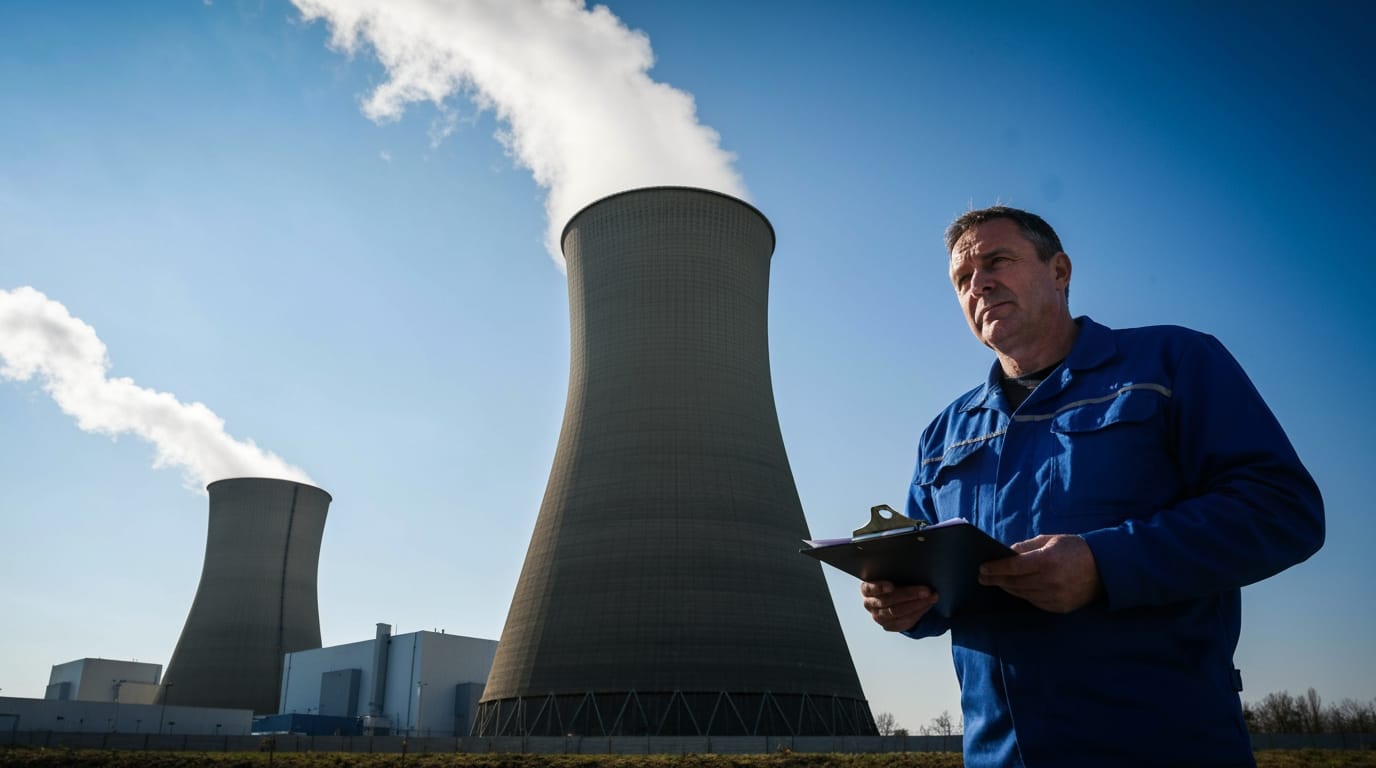
BUDAPEST – Hungary's energy landscape faces an unprecedented challenge as its sole nuclear power plant, Paks, commenced a full shutdown this Sunday, August 2, 2026. The critical decision comes as record-low water levels in the Danube River, the plant's primary cooling source, have rendered its operations unsustainable. This marks the first complete shutdown in the Paks Nuclear Power Plant's 44-year history, casting a shadow of uncertainty over Hungary's electricity supply and posing a significant test for Prime Minister Peter Magyar's administration.
The Paks plant, located approximately 100 kilometers south of Budapest, is a cornerstone of Hungary's energy independence, typically supplying between 40% and 50% of the nation's electricity. Its four Soviet-built VVER-440 reactors, upgraded to a combined capacity of 2,000 megawatts, rely on a continuous flow of water from the Danube to cool their condensers. However, months of intense heat and a prolonged drought across Central Europe have drastically reduced the river's volume, impeding the plant's ability to draw sufficient cooling water.
Unprecedented Operational Halt as River Levels Plummet
The unfolding situation at Paks has been developing over several days, with plant operators forced to gradually reduce output as river levels continued their steep decline. Prime Minister Peter Magyar confirmed that one of the two remaining operational reactors was scheduled for shutdown at 1:30 a.m. local time on Sunday, with the final unit powering down later in the day, leading to a complete halt by Monday. This brings the facility to a complete standstill, a scenario never before witnessed in its four decades of service.
The immediate trigger for the full shutdown is the Danube's critically low water level. Experts at Paks reported that a river level of minus 134 centimeters necessitates a complete shutdown, and forecasts indicate a further drop to an alarming 144 centimeters below the normal level. This figure is substantially lower than the previous record of 98 centimeters set in 2018, underscoring the severity of the current drought. While the current low flow rate might theoretically be sufficient to cool the units, the issue lies with the intake level of the plant's pumps, which are now higher than the receding water surface, rendering them ineffective. Plant officials had already initiated technical preparations to lower the suction pipes to adapt to future low-water conditions, but these measures were not completed in time to avert the current crisis.
Hungary's Energy Lifeline Under Threat
The Paks Nuclear Power Plant is far more than just an electricity generator; it is a strategic asset ensuring a significant portion of Hungary's energy independence. With its 2,000 MW capacity, Paks provides an estimated 40% to 50% of the country's electricity. The cessation of its operations represents a substantial loss of domestic power generation, forcing the landlocked nation to depend more heavily on expensive energy imports to meet demand. This increased reliance on external sources comes at a precarious time, with energy markets already volatile. The prime minister has warned that the plant could remain offline for several weeks, as there is no significant rainfall forecast to raise the Danube's water levels in the immediate future. This prolonged outage poses a major test for Hungary's economy and its ability to maintain a stable and affordable energy supply.
Even before the full shutdown, the plant's output had fallen dramatically. From its normal operating capacity of 2,000 megawatts, production had already dipped to 965 megawatts by Friday and further plummeted to just 240 megawatts overnight, signaling the impending halt. The economic repercussions of this crisis are estimated to be significant, with potential costs ranging from 100 billion to 200 billion forints (approximately $315 million to $630 million) due to soaring electricity import prices. Neighboring Romania has also experienced reduced output from its nuclear plant due to similar drought conditions, highlighting the regional impact of the environmental crisis.
Crisis Management and Future Operational Resilience
In response to the escalating energy crisis, the Hungarian government, led by Prime Minister Peter Magyar, has outlined a series of emergency measures. These include requests for large industrial consumers to voluntarily reduce their electricity consumption, as well as the consideration of more stringent actions such as mandatory power cuts, suspension of some rail cargo services, and even directives for public sector employees to work from home. These steps aim to manage demand and stabilize the national grid during this critical period.
Restarting a nuclear power plant, especially after a full and simultaneous shutdown of all units, presents its own set of complexities. While individual reactor shutdowns and restarts are routine for scheduled maintenance and refueling, Deputy CEO for Technical Affairs at Paks, László Nagy, explained that a simultaneous restart of all four units is an unprecedented challenge. Under normal circumstances, operational reactors provide auxiliary steam to reheat equipment in a unit being brought back online. However, with all reactors cooled down, external electricity will be required to heat the first reactor to the necessary operating temperature. This process alone could take up to a week before standard start-up procedures can begin, significantly delaying the return to full power generation.
Looking ahead, the Paks plant is implementing technical solutions to enhance its resilience against future low-water events. Preparations are underway to lower the water intake pipes, a measure intended to allow the plant to operate even at significantly reduced river levels in the future. This proactive step underscores a recognition of changing environmental conditions and the necessity to adapt critical infrastructure.
Broader Energy Context and Climate Change Imperatives
The forced shutdown of the Paks Nuclear Power Plant serves as a stark reminder of the escalating impacts of climate change, particularly the increased frequency and intensity of droughts and heatwaves across Europe. The Danube, one of Europe's major waterways, is experiencing historically low levels not just in Hungary but along its entire length, disrupting various sectors from shipping to agriculture and industry.
For Hungary, which relies heavily on domestic nuclear production to meet its energy demands, the incident highlights both the vulnerabilities and the critical importance of a diversified and resilient energy strategy. The country's National Energy Strategy for 2030 aims for a low-carbon electricity mix of 90% by 2030, with new nuclear capacity and renewables playing pivotal roles. This ambition is further underscored by Hungary's high energy import dependency, which stood at 54% in 2021.
In addition to the operational Paks I plant, Hungary has been pursuing the Paks II expansion project, a Russian-backed initiative to add two new VVER-1200 reactors. While construction formally began for Unit 5 in February 2026, the project has been plagued by significant delays, cost overruns, and geopolitical complexities. Originally scheduled for commissioning by 2026, completion is now not expected until the mid-2030s, leaving a substantial gap in planned capacity and adding another layer of uncertainty to Hungary's long-term energy outlook. Meanwhile, the operational lifespan of the existing Paks I units has been extended by 20 years, with plans for a further extension to 70 years, emphasizing their continued importance until new capacity can come online.
The current crisis underscores the urgent need for robust climate adaptation strategies and sustainable energy solutions globally. As Hungary grapples with the immediate impact of its nuclear plant's shutdown, the event serves as a potent illustration of how environmental factors, exacerbated by climate change, can directly threaten national energy security and economic stability. The path forward will undoubtedly involve a complex interplay of short-term mitigation, strategic energy diversification, and a concerted effort to build resilience against a rapidly changing climate.


