Hunger Grips Occupied Oleshky as Ukraine Pleads for Evacuation
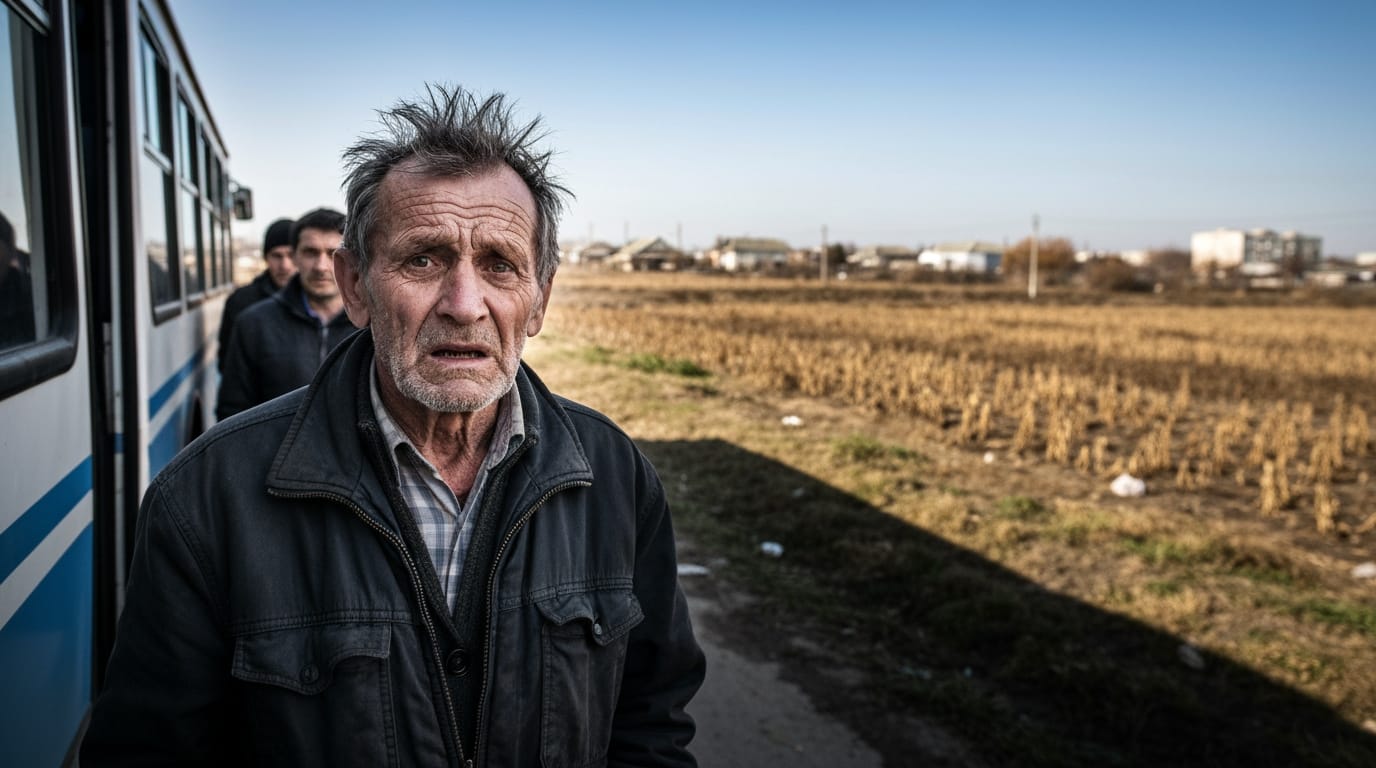
Oleshky, a city on the left bank of Ukraine's Dnipro River, remains a focal point of a deepening humanitarian crisis, with its dwindling population facing acute shortages of food, water, and medicine under Russian occupation. Ukrainian authorities are urgently calling for the establishment of humanitarian corridors and a local ceasefire to evacuate approximately 6,000 civilians, including 200 children, who are trapped in dire conditions exacerbated by the 2023 destruction of the Kakhovka Dam. The appeals highlight a devastating reality of survival amidst destroyed infrastructure, blocked aid routes, and the constant threat of hostilities, painting a grim picture of deliberate humanitarian neglect.
A City Starved and Stranded
Life in Oleshky and surrounding settlements has devolved into a struggle for basic survival, marked by a catastrophic lack of essential resources. Residents endure severe shortages of drinking water, food, and medical supplies, compounded by the complete absence of stable electricity and gas. The city, once home to 24,000 people, now shelters only an estimated 1,700 to 2,000 individuals, including dozens of children. Many are forced to cook over open fires due to the lack of utilities, while some have reportedly frozen to death during winter without heating.
Food deliveries are infrequent and perilous, with reports indicating only a single successful delivery since mid-January 2026. Attempts by volunteers to bring aid have tragically resulted in deaths, as vehicles encounter mines or come under fire. Even basic foodstuffs, when available, are priced beyond the reach of many, leading to rampant malnutrition. Disturbingly, civilians queuing for food have been targeted by Russian drone attacks, resulting in casualties. The humanitarian catastrophe is so profound that bodies of those who succumb to hunger or frostbite sometimes remain uncollected for months, a testament to the breakdown of all public services. Hospitals in the occupied territory reportedly prioritize Russian military personnel, turning away Ukrainian civilians in urgent need of medical care.
The Kakhovka Legacy: A Deepening Catastrophe
The humanitarian crisis in Oleshky was profoundly deepened by the destruction of the Kakhovka Dam in June 2023. This act led to widespread flooding that submerged approximately 90% of Oleshky, obliterating civilian infrastructure and homes. The floodwaters not only destroyed essential services like water, electricity, and gas networks but also swept away critical documents, including Ukrainian passports, leaving many residents without identification crucial for any attempt at movement or escape.
During the initial flooding, Russian forces allegedly blocked evacuation efforts and confiscated humanitarian aid, trapping residents in the rising waters. Journalistic investigations and local health workers suggest that hundreds died in Oleshky alone as a direct consequence of the dam's collapse, a figure significantly higher than official Russian reports for the entire affected region. The devastating aftermath of the dam's destruction left a permanent scar on the community, further isolating and imperiling those who remained.
Blockade and Human Shields: Obstacles to Escape
The struggle for survival in Oleshky is compounded by severe restrictions on movement and aid, which Ukrainian officials attribute to deliberate actions by the occupying Russian forces. Efforts to deliver humanitarian assistance are routinely obstructed, and evacuation routes are often blocked or rendered impassable. Roads leading out of Oleshky are heavily mined, earning one route the grim moniker "the road of death," while FPV drone attacks and numerous checkpoints pose constant threats to anyone attempting to leave or enter.
Ukrainian authorities and local residents suspect that these blockades are intended to use the remaining civilians as human shields, preventing a mass exodus that would leave the occupying forces more vulnerable. The remaining population largely consists of the elderly, individuals with limited mobility, and families without the means or documents to undertake the perilous journey to Ukrainian-controlled territory. Ukrainian officials assert that Russia, as the occupying power, is in direct violation of international humanitarian law, specifically Articles 55 and 59 of the Geneva Convention, which mandate the provision of basic necessities and facilitation of humanitarian aid to the civilian population.
Ukraine's Urgent Appeals and International Response
In response to the escalating crisis, Ukraine has intensified its calls for international intervention and the establishment of safe humanitarian pathways. Dmytro Lubinets, the Ukrainian Parliament Commissioner for Human Rights, has repeatedly appealed to the International Committee of the Red Cross (ICRC), the United Nations, and even Russia's human rights commissioner, urging the creation of humanitarian corridors and guarantees for safe evacuation. Ukraine's Ministry of Foreign Affairs (MFA) has also condemned the "alarming situation" and pressed international partners to exert pressure on Russia to comply with international humanitarian law.
In a recent development, Ukraine reportedly reached a technical agreement with Russia regarding a local ceasefire aimed at evacuating approximately 6,000 civilians, including about 200 children, from Oleshky and nearby settlements. All technical issues have been reportedly resolved, and Kyiv is now awaiting a specific date from the Russian side for the ceasefire to commence and the physical evacuation to begin. The ICRC has indicated its readiness to assist in organizing such an evacuation, offering a glimmer of hope amidst the protracted suffering.
A Call for Humanitarian Imperative
The crisis in Oleshky underscores the profound human cost of prolonged occupation and conflict. The deliberate deprivation of basic necessities, the destruction of infrastructure, and the obstruction of humanitarian aid constitute severe violations of international law, which Ukrainian officials have termed "deliberate terrorism" and "war crimes." As thousands remain trapped in a desperate struggle against hunger, disease, and the constant threat of violence, the international community faces an urgent imperative to ensure that humanitarian access is granted and that the long-suffering residents of Oleshky can finally find safety and relief. The outcome of the proposed ceasefire and evacuation efforts remains critical, representing a potential lifeline for a population on the brink.


