Hurricane Isaias Hits Florida Panhandle Leaving Hundreds of Thousands Without Power
The cyclone knocked out electricity to more than 600,000 customers and prompted widespread emergency operations after coming ashore as a Category 2 storm.
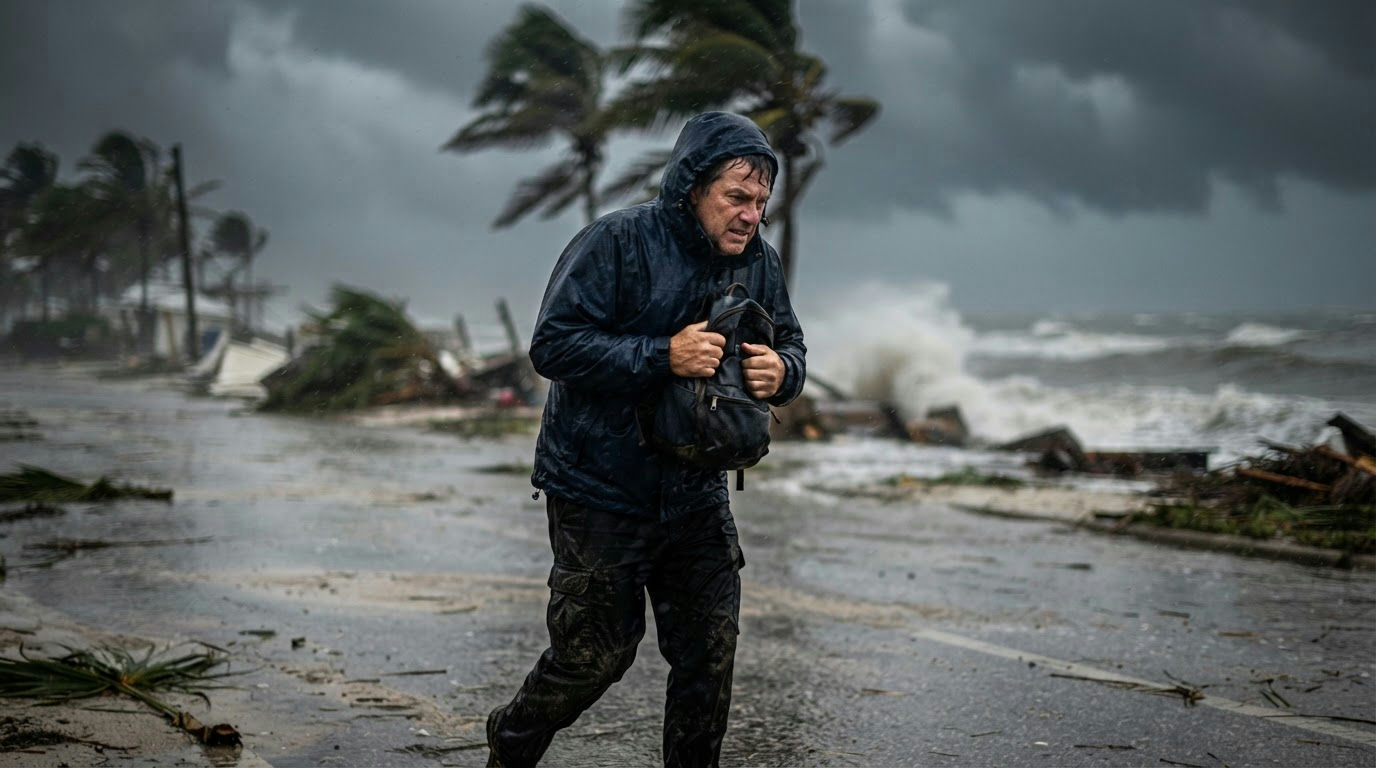
Hurricane Isaias made landfall near Destin in the Florida Panhandle on Friday evening, Oct. 9, 2026, as a Category 2 hurricane. The National Hurricane Center reported landfall occurred at approximately 8:30 p.m. CDT. CBS News placed the landfall timing earlier at approximately 8:00 p.m. EDT.
At landfall, Isaias had maximum sustained winds of 105 mph and a central pressure of 971 millibars. The system had briefly reached Category 3 status over the Gulf of Mexico before weakening slightly. The hurricane center downgraded Isaias to a Category 1 storm within two hours as inland winds dropped to 90 mph.
The storm brought life-threatening storm surge, high winds, tornadic activity, and flash flooding to Florida and Alabama. Winds removed roofs from buildings and knocked down trees and utility poles. Water gauges at Panama City Beach recorded storm-tide levels between 5.4 and 5.6 feet above average.
Coastal weather stations recorded high wind gusts. Fox Weather reported a 116 mph gust at Santa Rosa Sound, while the hurricane center reported a 112 mph gust there. Weather stations in and near Pensacola measured wind gusts of 100 mph and 102 mph.
PowerOutage.us recorded more than 365,000 electrical outages across Florida and Alabama on Friday evening. The total grew past 400,000 and then topped 512,000 as the cyclone moved inland. Outages ultimately exceeded 600,000 customers across Florida, Alabama, and Georgia.
Florida Gov. Ron DeSantis said the state took the storm seriously and prepared resources across affected areas. DeSantis urged residents to stay sheltered and avoid roads because of flash flooding. U.S. President Donald Trump said White House officials monitored the hurricane closely.
Alabama Gov. Kay Ivey confirmed federal officials approved emergency declarations for her state. The National Weather Service in Mobile cautioned that the danger had not ended with landfall. The agency warned that certain coastal communities could remain uninhabitable for an extended period.
Officials ordered mandatory evacuations for low-lying areas of Okaloosa, Escambia, and Walton counties in Florida before landfall. Alabama issued evacuation orders for barrier islands including Dauphin Island and Orange Beach. Energy companies shut down approximately 63% of Gulf oil production, or roughly 1.3 million barrels per day.
Isaias formed from a disturbance in the southwestern Gulf of Mexico on Oct. 6. When it reached hurricane status on Oct. 8, it tied a 1905 record for the latest calendar date of a season's first hurricane. El Niño conditions had suppressed hurricane formation among the season's previous eight named storms.
The hurricane center expects Isaias to weaken to a tropical storm while moving across southern Alabama toward the Tennessee Valley. Forecasters predict rainfall of 4 to 8 inches, with local amounts up to 15 inches, across the region. Emergency crews are assessing damage and restoring electricity, while water suppliers maintain boil-water notices for residents.