ICC Chief Prosecutor Karim Khan Suspended Amidst Grave Sexual Misconduct Findings
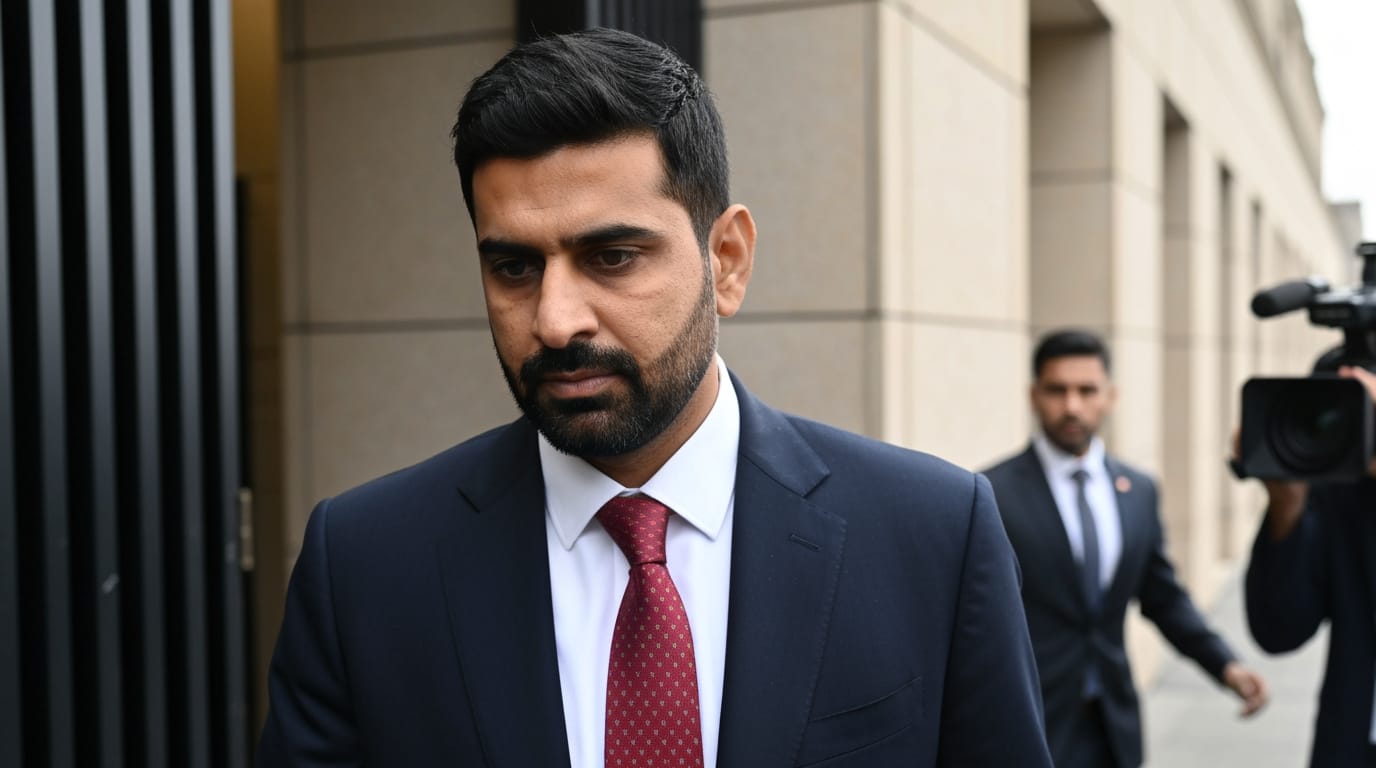
THE HAGUE – Karim Khan, the Chief Prosecutor of the International Criminal Court (ICC), has been suspended from his duties following findings of "serious misconduct" related to allegations of sexual harassment. The unprecedented decision was made late Monday, June 8, 2026, by the Bureau of the Assembly of States Parties (ASP), the court's governing body, sending shockwaves through the international legal community and raising significant questions about accountability at the highest levels of global justice. The suspension comes after an 18-month long investigation into claims of non-consensual sexual interactions with a female aide, a process Khan has consistently denied.
Details of the Allegations and the Investigative Process
The allegations against Khan, which first surfaced over two years ago, involved claims of sexual misconduct with a female lawyer or aide working within his office. Specific incidents cited in whistleblower documents and reports included allegations that Khan asked the woman to rest with him on a hotel bed during a foreign trip and then "sexually touched her." Other alleged nonconsensual behaviors included locking his office door and putting his hand in her pocket, as well as repeatedly asking her to accompany him on vacation.
An extensive investigation was launched by the United Nations Office of Internal Oversight Services (OIOS), which concluded its work in March 2026. The UN inquiry found evidence that Khan had engaged in "nonconsensual sexual contact with (the aide) in his office, at his private residence, and whilst on mission." However, a three-judge panel, appointed by the executive committee to provide a legal assessment of these findings, determined that the UN investigation was "not conclusive enough." Despite this, the Bureau of the Assembly of States Parties, after reviewing the UN report, underlying evidence, and the judicial panel's advice, ultimately ruled that Khan had committed serious misconduct.
Khan has steadfastly denied all accusations of wrongdoing since the scandal began unfolding. His legal team has indicated that a statement would be issued on Tuesday, June 9, 2026.
An Unprecedented Move for the International Criminal Court
The suspension of a sitting Chief Prosecutor marks an extraordinary moment for the International Criminal Court, an institution established to prosecute individuals for grave international crimes. The Bureau of the Assembly of States Parties decided by a "qualified majority" to suspend Khan with immediate effect, pending a final decision by the wider Assembly of States Parties (ASP).
The ultimate authority to remove Khan from office rests with the Assembly of States Parties, which comprises all 125 member countries of the ICC. A final decision would require a majority vote – specifically, 63 countries – in a secret ballot. While no date has been set for this crucial session, the ASP has indicated it will be convened as soon as possible. The Bureau has clarified that Khan's current suspension "is not an indication of the final outcome," emphasizing the need for due process and a comprehensive review by the full Assembly.
This procedural necessity is not entirely new; Khan had already taken a leave of absence in May 2025, temporarily stepping aside from his direct duties while the investigation was underway. This proactive step by Khan, and the ICC's establishment of new rules to accommodate the situation, suggests a concerted effort to navigate this unprecedented challenge.
Broader Implications for Global Justice
The suspension of the ICC's chief prosecutor has significant implications for the court's credibility and its ongoing mandate to deliver justice for the most heinous international crimes. The ICC, already facing scrutiny and political pressure in various high-profile cases, must now contend with serious internal challenges.
While the decision to suspend Khan will have "little practical impact" on the day-to-day functioning of the court, given his earlier leave of absence, the symbolic weight is considerable. Khan has already been removed from pleading in some of the court's most prominent cases, including the one against former Philippines president Rodrigo Duterte.
His tenure as Chief Prosecutor has been marked by bold actions, including his recent application for arrest warrants against Israeli Prime Minister Benjamin Netanyahu and former defense minister Yoav Gallant concerning the conflict in Gaza. These actions drew swift condemnation from some nations, including the United States, and placed Khan himself under intense international spotlight. The timing of the allegations against Khan, with some reports indicating they internally emerged or gained public traction around the time he was pursuing politically sensitive investigations, has also been a point of discussion.
The unfolding situation underscores the complexities of upholding justice and accountability, not only globally but also within the institutions tasked with that responsibility. It serves as a potent reminder that international bodies must also adhere to the highest standards of conduct and transparency.
Khan's Career and Public Profile
Karim Khan, a distinguished British barrister, took office as the ICC's Chief Prosecutor in June 2021. Prior to his appointment, he had a prominent career in international law, serving as a defense counsel in various international criminal tribunals, including the ICC itself, the International Criminal Tribunal for Rwanda, and the Special Court for Sierra Leone. He also headed the UN Investigative Team to Promote Accountability for Crimes Committed by Da'esh/ISIL (UNITAD), gathering evidence of crimes committed by ISIS in Iraq. His experience has positioned him as a leading figure in the pursuit of international justice.
Despite his distinguished background, the allegations and subsequent suspension now cast a shadow over his legacy and the institution he leads.
The Path Forward
The coming months will be critical for the International Criminal Court as the Assembly of States Parties prepares to deliberate on Khan's ultimate fate. The process, unprecedented in its nature, will test the resolve and integrity of the international community's commitment to justice, transparency, and accountability for all, including its highest-ranking officials. The outcome will undoubtedly shape perceptions of the ICC and set a precedent for how such allegations are handled within international legal institutions.


