Iceland at a Crossroads: Nation Poised for Pivotal EU Referendum Amid Deep Divisions
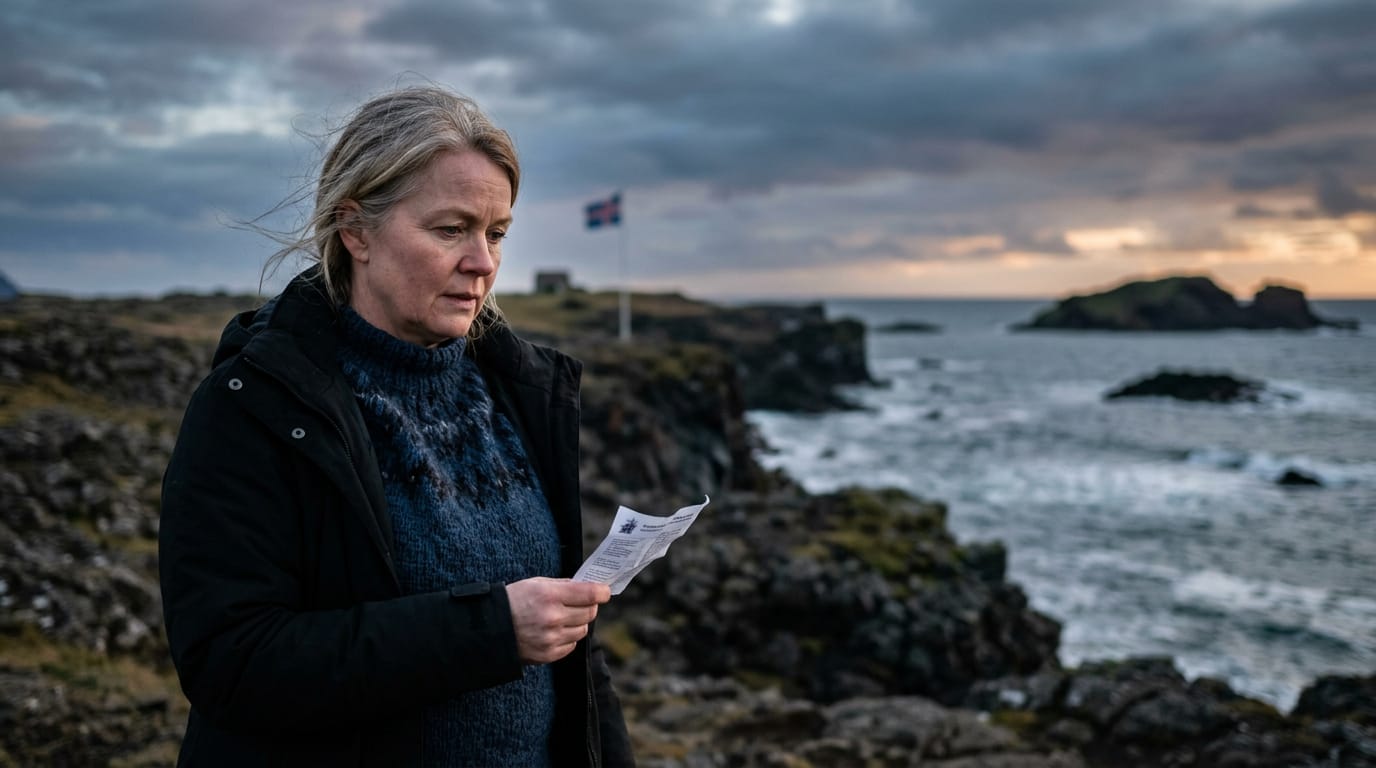
REYKJAVIK – Iceland is once again grappling with its complex relationship with the European Union, as the nation prepares for a crucial referendum on August 29, 2026. The vote will not decide on immediate EU membership, but rather whether to restart accession negotiations that were suspended over a decade ago. This decision underscores a deeply rooted national debate, pitting concerns over sovereignty and the vital fishing industry against arguments for greater influence and economic stability within the European framework.
Iceland's journey with the EU has been marked by periods of engagement and retreat. The country initially sought full membership in 2009, a move largely prompted by the severe economic fallout of the global financial crisis. Formal negotiations commenced in 2010, and by 2013, 27 out of 33 negotiation chapters had been opened. However, as Iceland's economy recovered, political sentiment shifted. Negotiations were put on hold in December 2013 by a new center-right government, and in March 2015, Foreign Minister Gunnar Bragi Sveinsson sent a letter to the EU stating Iceland's intent to cease being considered a candidate country. While this was widely seen as a withdrawal, the EU maintains that Iceland's application was never formally rescinded and remains dormant.
Despite its non-member status, Iceland is extensively integrated with the EU through key agreements. It is a founding member of the European Free Trade Association (EFTA) and participates in the European Economic Area (EEA) since 1994, which grants it full access to the EU's single market for goods, services, capital, and labor. Iceland is also part of the Schengen Area, facilitating passport-free travel across much of Europe. This intricate web of agreements means that Iceland already adopts a significant portion of EU legislation, adhering to many of the bloc's regulations without having a direct say in their formulation.
The impetus for the upcoming 2026 referendum emerged from Iceland's 2024 parliamentary elections. The new coalition government, led by Kristrún Frostadóttir's Social Democratic Alliance, made a commitment to hold a public vote on whether to resume accession talks. This referendum on August 29 will serve as a preliminary step, asking citizens if they wish for the government to reopen negotiations with Brussels. Any potential agreement reached through these renewed talks would then be subject to a separate national vote, ensuring that the final decision on full membership rests with the Icelandic people.
Public opinion ahead of the referendum reflects the nation's deep divisions. While a recent poll indicates that 53.1% of decided voters support reopening EU accession negotiations, a clear majority of Icelanders remain opposed to full membership in the Union. A separate poll conducted in April 2026 showed 47% against EU membership, 40% in favor, and 13% undecided. When undecided voters are excluded, opposition rises to 54% against, versus 46% in favor. This nuanced stance highlights a desire for further exploration of options without a full commitment to joining the bloc.
The primary and most enduring obstacle to Iceland's full EU membership remains the profound concern over national sovereignty, particularly concerning the country's rich fishing grounds. The fishing industry is a cornerstone of the Icelandic economy, accounting for approximately 40% of its total exports and playing a significant role in national identity and prosperity. Opponents of EU membership fear that joining would subject Iceland to the EU's Common Fisheries Policy (CFP), potentially leading to a loss of control over its marine resources and allowing foreign companies to acquire fishing quotas. Icelandic officials, including Foreign Minister Þorgerður Katrín Gunnarsdóttir, have explicitly stated that control over fisheries would be non-negotiable in any future talks, emphasizing the country's status as a "superpower in Europe" regarding fishing.
Beyond fisheries, broader concerns about relinquishing national decision-making power to Brussels persist. Many Icelanders are wary of the potential for decisions to be dictated from outside, fearing that EU membership could dilute their independence, which was only fully gained from Denmark in 1944. Economically, some argue that as one of Europe's wealthiest nations, Iceland would become a net contributor to the EU budget, with the costs outweighing the benefits given its existing access to the single market through the EEA. The ability to manage its own currency, the Icelandic króna, is also seen as crucial for maintaining economic flexibility in response to unique domestic challenges.
Conversely, proponents of restarting negotiations argue that a lack of direct influence within the EU, despite adhering to many of its laws, leaves Iceland in a disadvantageous position. They contend that full membership would provide Iceland with a "seat at the table," enabling it to shape policies that already affect its economic and social landscape. The potential for greater economic stability, possibly through future euro adoption, is also cited as a benefit, drawing lessons from the 2008 financial crisis. Furthermore, evolving geopolitical realities, including increasing focus on Arctic security and shifting transatlantic relations, have led some to suggest that closer alignment with the EU could strengthen Iceland's strategic position and provide additional security guarantees.
As August 29, 2026, approaches, Iceland stands at a critical juncture. The upcoming referendum is not merely a procedural vote; it represents a renewed national introspection on the country's identity, its economic future, and its place in an increasingly complex world. The outcome will signal whether Iceland is prepared to explore a deeper integration with Europe, or if it will choose to maintain its unique balance of close cooperation without full political union. The decision, whether to simply open the door to further talks or keep it firmly shut, will have significant implications for this North Atlantic island nation and for the broader European project.


