IDF Admits to "Complete Failure" in Hamas' October 7 Attack
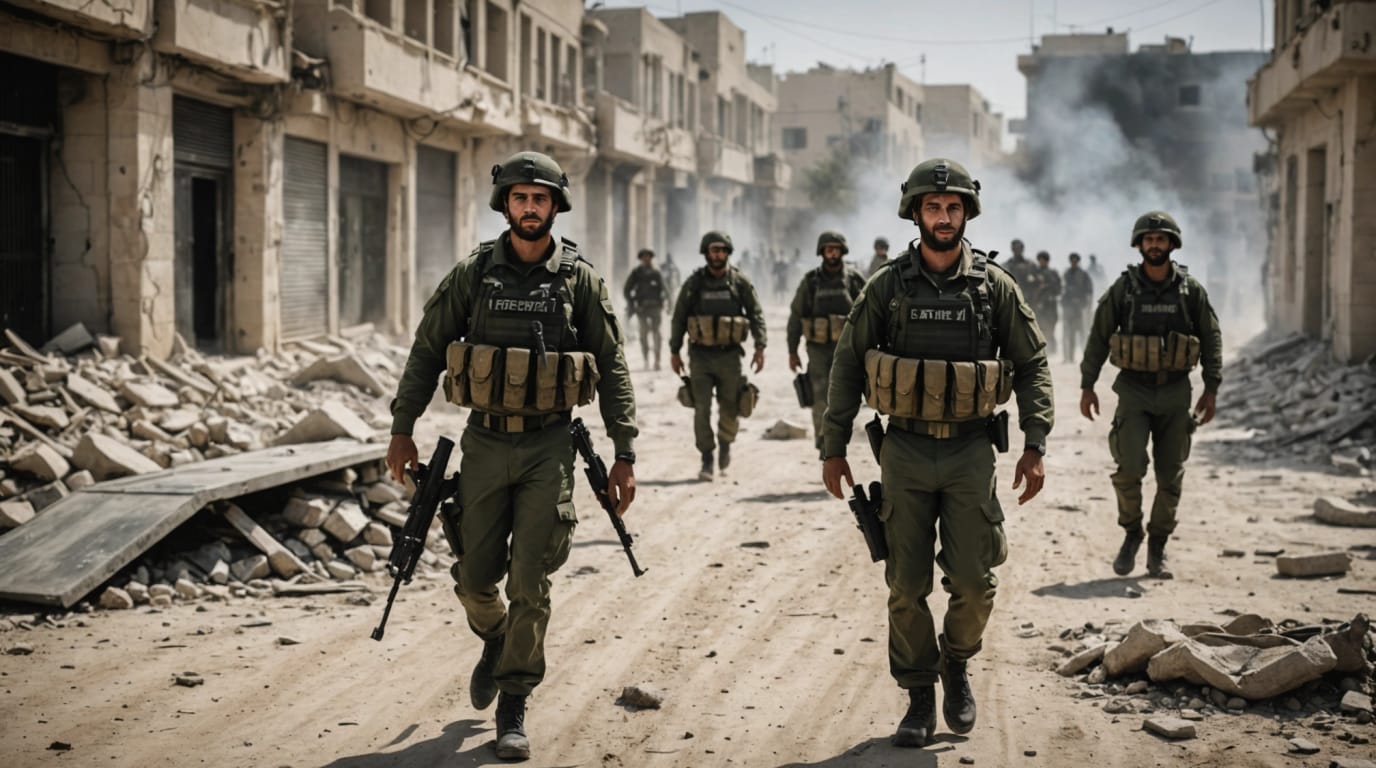
In a significant admission, the Israel Defense Forces (IDF) has acknowledged a "complete failure" in preventing the devastating October 7, 2023, attack by Hamas. An internal investigation, the result of extensive work by the IDF Southern Command, revealed a profound underestimation of Hamas' capabilities and intentions, marking one of the gravest intelligence and operational failures in Israeli military history. The inquiry's findings are likely to intensify pressure on Prime Minister Benjamin Netanyahu and prompt calls for a broader investigation into the political decision-making that preceded the attack.
Years of Misjudgment
The IDF's investigation revealed a series of critical missteps and misconceptions that contributed to the success of the Hamas-led incursion. A central flaw was the belief that Hamas, which has governed Gaza since 2007, was primarily focused on governing the territory and less interested in engaging in conflict with Israel. This assessment led to a dangerous underestimation of the group's military capabilities and its willingness to launch a large-scale attack.
The investigation further found that the IDF misjudged the scale and scope of a potential Hamas assault. Military planners had anticipated that, at worst, Hamas might attempt a ground invasion at up to eight border points. However, the October 7 attack saw as many as 5,600 terrorists breach the border through more than 60 attack routes, overwhelming Israeli defenses.
Intelligence Gaps and Missed Warnings
The IDF's internal probe also highlighted significant intelligence gaps and missed warning signs in the lead-up to the attack. According to the investigation, intelligence assessments conducted after October 7 revealed that Hamas had come close to launching similar offensives on three previous occasions but had delayed them for unknown reasons. Despite these near misses, the IDF failed to adjust its posture or improve its intelligence gathering to adequately address the evolving threat.
In the hours before the attack, there were indications that something was amiss, including reports of Hamas fighters switching to Israeli SIM cards. However, these warning signs were not properly interpreted or acted upon, contributing to the overall failure to prevent the incursion.
Consequences and Accountability
The October 7 attack resulted in the deaths of 1,139 people in Israel and the capture of approximately 250 hostages. The attack triggered a bloody war in Gaza that has resulted in the deaths of at least 48,000 Palestinians. The scale of the attack and its devastating consequences have led to widespread public anger and calls for accountability.
In the wake of the IDF's admission of failure, pressure is mounting on Prime Minister Netanyahu to launch a broader inquiry into the political and strategic decisions that preceded the attack. Critics argue that a comprehensive investigation is necessary to understand the full extent of the failures and to prevent similar events from occurring in the future.
Broader Implications
The IDF's admission of failure has far-reaching implications for Israel's national security strategy and its relationship with the Gaza Strip. The attack exposed vulnerabilities in Israel's border defenses and raised questions about the effectiveness of its intelligence gathering and analysis capabilities.
The findings of the internal investigation are likely to lead to significant changes in the IDF's operational procedures, intelligence protocols, and force deployment strategies. The military will need to address the intelligence gaps that allowed Hamas to plan and execute the attack undetected, as well as improve its ability to respond quickly and effectively to future threats.
Rebuilding Trust
The October 7 attack has profoundly shaken the Israeli public's trust in its military and political leadership. Rebuilding that trust will require a commitment to transparency, accountability, and a willingness to learn from the mistakes that were made.
The IDF's admission of failure is a first step in that process. However, it is essential that the military and the government take concrete steps to address the underlying issues that contributed to the attack and to ensure that such a tragedy never happens again. This includes a thorough and impartial investigation, as well as a willingness to implement the necessary reforms to strengthen Israel's national security.
A Turning Point
The IDF's admission of failure marks a turning point in Israel's understanding of the conflict with Hamas and the challenges it faces in maintaining its security. The attack exposed vulnerabilities and miscalculations that had been overlooked for years, and it has forced a reassessment of long-held assumptions about the nature of the threat.
Moving forward, Israel will need to adopt a more comprehensive and nuanced approach to its relationship with Gaza, one that takes into account the complex political, economic, and social factors that contribute to the ongoing conflict. This will require a willingness to engage in dialogue, to address the underlying grievances of the Palestinian people, and to work towards a lasting and sustainable peace.


