Imamoglu's Arrest Divides German-Turkish Community, Sparks Protests and Political Condemnation
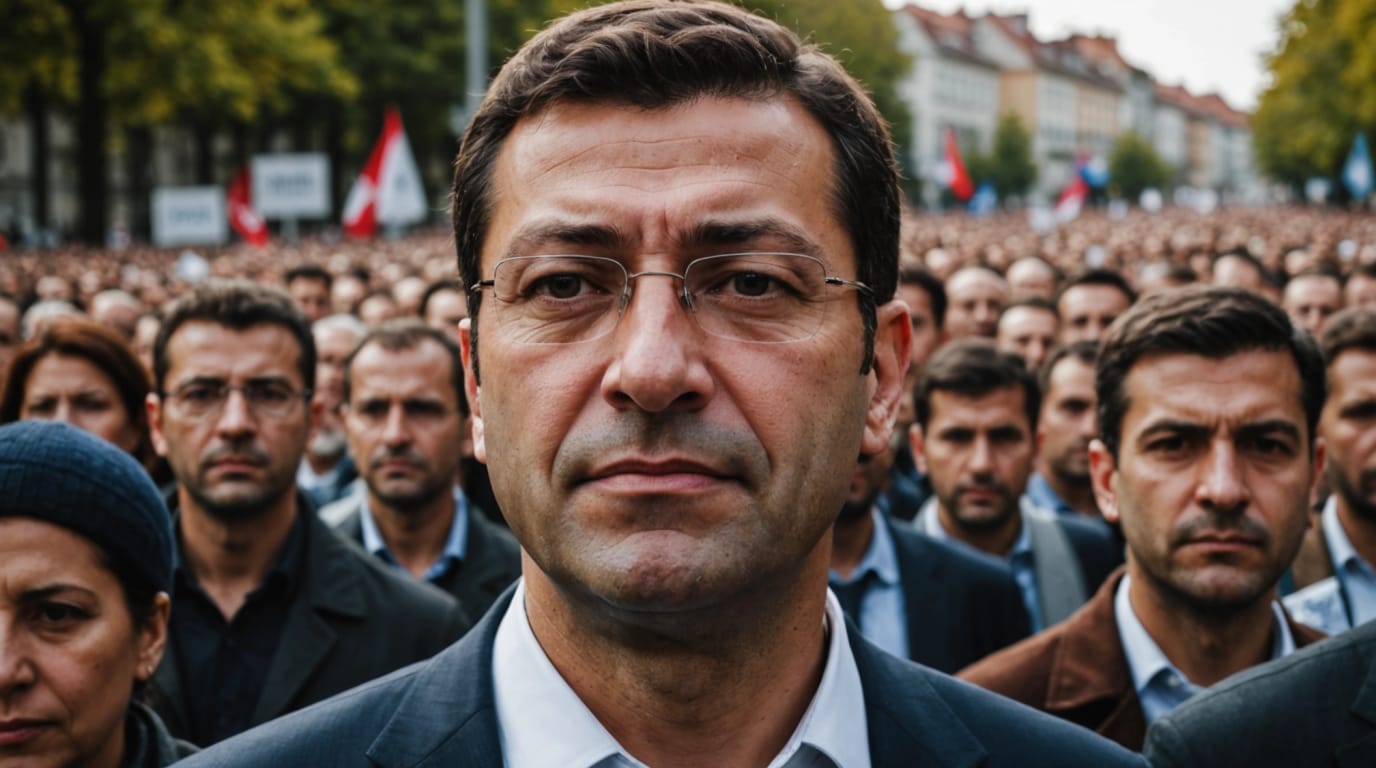
The arrest of Istanbul Mayor Ekrem Imamoglu has sent shockwaves through Germany's Turkish community, igniting protests and drawing strong condemnation from German political leaders. The detention of Imamoglu, a rising political star seen as a potential challenger to Turkish President Recep Tayyip Erdoğan, has exposed deep divisions within the diaspora and raised concerns about the state of democracy in Turkey.
Protests Erupt Across Germany
News of Imamoglu's arrest on March 19, 2025, triggered immediate demonstrations in cities across Germany with significant Turkish populations. Berlin, Hamburg, Cologne, Mannheim, Kassel, and Essen saw thousands of people take to the streets, voicing their outrage and demanding Imamoglu's release. Protestors carried signs with slogans such as "Together for a democratic Turkey" and "We want our democracy back," reflecting a shared desire for political freedom and justice in their ancestral homeland. The demonstrations, largely organized by community groups and political activists, underscored the deep emotional connection many German-Turks maintain with Turkish politics.
German Politicians Condemn the Arrest
The arrest has also drawn strong reactions from German political figures. Chancellor Olaf Scholz described the situation as "a very, very bad sign" for Turkish democracy and for relations between Europe and Turkey, urging an immediate end to the detention. Cem Özdemir, a German government minister of Turkish descent, accused President Erdoğan of being afraid of elections, highlighting Imamoglu's popularity and potential to unseat the long-time leader. Mayors of German cities with sister-city relationships with Istanbul, including Berlin and Frankfurt, expressed their shock and solidarity with Imamoglu, calling for his immediate release. Kai Wegner, the Mayor of Berlin, canceled his planned trip to Istanbul in early April in protest of Imamoglu's arrest.
Divisions Within the Community
While many German-Turks have rallied in support of Imamoglu, the issue has also exposed existing divisions within the community. Some support Erdoğan and his AK Party, viewing Imamoglu's arrest as a legitimate legal matter. Others, particularly those with secular or left-leaning views, see the arrest as a politically motivated attempt to silence dissent and consolidate power. These divisions reflect the broader political polarization within Turkey itself, which has increasingly spilled over into the diaspora.
Implications for German-Turkish Relations
The arrest of Imamoglu has further strained already complex relations between Germany and Turkey. Germany, home to a large Turkish diaspora, has long been a vocal critic of Turkey's human rights record and democratic backsliding. Chancellor Scholz's strong condemnation of the arrest underscores the growing frustration within the German government over Turkey's trajectory. The incident could lead to further tensions between the two countries, potentially impacting economic and political cooperation.
Concerns for the Future of Turkish Democracy
Imamoglu's arrest comes at a time of increasing concern about the state of democracy in Turkey. Critics accuse President Erdoğan's government of cracking down on dissent, suppressing freedom of expression, and undermining the rule of law. The arrest of journalists, political activists, and other perceived opponents of the government has become increasingly common. The detention of Imamoglu, a prominent opposition figure, is seen by many as a further escalation of these trends, raising serious questions about the future of Turkish democracy. The annulment of Imamoglu's university diploma just days before his arrest further fueled concerns about the fairness and transparency of the legal process.
The arrest of Ekrem Imamoglu has reverberated far beyond Turkey's borders, stirring passions and exposing fault lines within the German-Turkish community. As protests continue and political leaders voice their concerns, the incident serves as a stark reminder of the challenges facing Turkish democracy and the complex relationship between Turkey and its European partners. The situation remains fluid, but the implications for both the German-Turkish community and the broader political landscape are significant.


