India Brace for Economic Headwinds as Below-Average Monsoon Forecast Looms
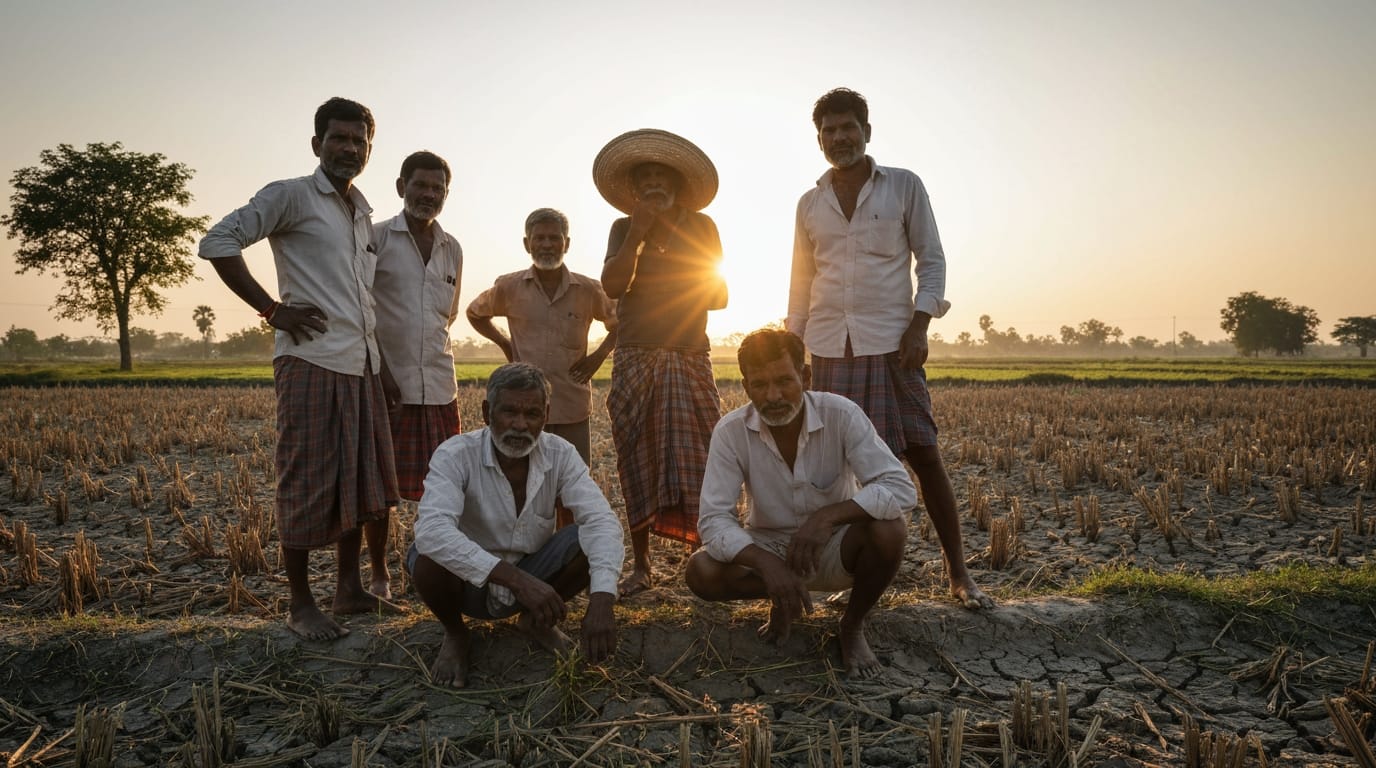
NEW DELHI, India – India is confronting a significant challenge this year as forecasts indicate a potentially below-average monsoon, raising alarms across agricultural, economic, and social sectors. The lifeblood of the nation, the southwest monsoon, which typically delivers over 70% of the country's annual rainfall between June and September, is once again poised to deliver a performance that could ripple through the lives of millions, particularly in rural areas heavily reliant on rain-fed agriculture. The outlook has prompted immediate concerns among policymakers, economists, and farmers about the implications for food security, inflation, and overall economic growth.
Agricultural Backbone Under Threat
The agricultural sector, employing a substantial portion of India's workforce, remains acutely vulnerable to monsoon fluctuations. A below-average monsoon forecast directly jeopardizes the crucial Kharif crop season, which accounts for approximately half of the country's total food grain production. Key crops such as rice, maize, pulses, and oilseeds are predominantly rain-fed, making their yields highly susceptible to rainfall patterns. Insufficient or erratic rainfall during critical sowing and growing periods can lead to delayed planting, stunted crop growth, and ultimately, reduced harvests.
Farmers, many of whom operate on small landholdings with limited access to advanced irrigation systems, bear the immediate brunt of a deficient monsoon. Reduced yields translate directly into lower incomes, pushing vulnerable communities deeper into debt and poverty. The cumulative effect of consecutive poor monsoons can devastate rural livelihoods, triggering distress migration to urban centers in search of alternative employment. While India has made strides in irrigation infrastructure, a significant portion of agricultural land still depends solely on rainfall, underscoring the monsoon's irreplaceable role in the nation's food production system.
Economic Ripple Effects and Inflationary Pressures
The impact of a weak monsoon extends far beyond the fields, casting a long shadow over India's broader economic landscape. Agriculture contributes a considerable percentage to the nation's Gross Domestic Product (GDP), and a downturn in this sector invariably slows overall economic growth. Reduced agricultural output leads to a decrease in raw material supply for agro-based industries, affecting manufacturing and processing units. Furthermore, diminished rural incomes translate into reduced purchasing power, dampening demand for consumer goods and services, which can decelerate industrial growth and investment.
One of the most immediate and tangible consequences for the general populace is the potential for increased food inflation. Scarcity of essential food grains, vegetables, and other agricultural commodities due to poor harvests can drive up prices significantly. This particularly impacts low-income households, for whom food constitutes a larger portion of their expenditure. The government often finds itself in a delicate balancing act, attempting to manage food prices through import interventions or stock releases, which can strain public finances and influence trade balances. Persistent inflation can also prompt the central bank to tighten monetary policy, potentially slowing down credit growth and economic expansion in other sectors.
Water Scarcity and Public Health Concerns
Beyond agriculture, a deficient monsoon poses severe challenges to India's water security. Reservoirs, lakes, and groundwater tables, which are replenished by monsoon rains, face depletion. This can lead to widespread water shortages for drinking, sanitation, and industrial use. Urban centers, already grappling with increasing demand from growing populations, could face rationing and supply disruptions. The energy sector, heavily reliant on hydroelectric power, may also see reduced generation capacity, potentially leading to power cuts and increased dependence on more expensive thermal power.
The implications for public health are equally concerning. Water scarcity often compels communities to rely on unsafe or contaminated sources, increasing the risk of water-borne diseases such as cholera, typhoid, and dysentery. Livestock, vital for many rural households, also suffer from lack of water and fodder, impacting milk production and farmer incomes. The environmental consequences include increased dust levels, reduced green cover, and a greater susceptibility to wildfires in arid regions, further exacerbating ecological vulnerabilities.
Government Preparedness and Mitigation Strategies
Recognizing the critical importance of the monsoon and the potential ramifications of a below-average season, the Indian government typically activates a range of preparedness and mitigation strategies. These include closely monitoring rainfall patterns and reservoir levels, issuing advisories to farmers, and implementing contingency crop plans tailored for varying rainfall scenarios. Efforts to promote drought-resistant crop varieties, efficient irrigation techniques, and crop diversification are intensified.
From an economic perspective, the government often considers measures to stabilize food prices, such as releasing buffer stocks of grains, imposing export restrictions on certain commodities, or facilitating imports to meet domestic demand. Financial assistance and support programs for farmers, including crop insurance schemes and loan waivers, become crucial safety nets. Investment in long-term water management solutions, including rainwater harvesting, inter-linking of rivers, and micro-irrigation projects, continues to be a priority, aimed at building resilience against future monsoon variability. The success of these interventions is paramount in minimizing the adverse impacts and ensuring stability amidst climatic uncertainties.
Conclusion: A Nation's Fate Tied to the Skies
As India navigates another year under the shadow of a potentially below-average monsoon, the stakes could not be higher. The performance of the seasonal rains dictates not only the fate of millions of farmers but also the trajectory of the national economy, food security, and overall societal well-being. While advancements in weather forecasting and agricultural technology offer some respite, the fundamental dependence on the monsoon underscores the deep connection between the nation's prosperity and the whims of nature. The coming months will test the resilience of Indian agriculture, the robustness of its economic policies, and the collective ability to adapt to an increasingly unpredictable climate, emphasizing once again that for India, the monsoon is far more than just a weather phenomenon—it is an enduring determinant of destiny.


