Kenyan Court Halts Controversial US Ebola Quarantine Plan Amid Public Outcry
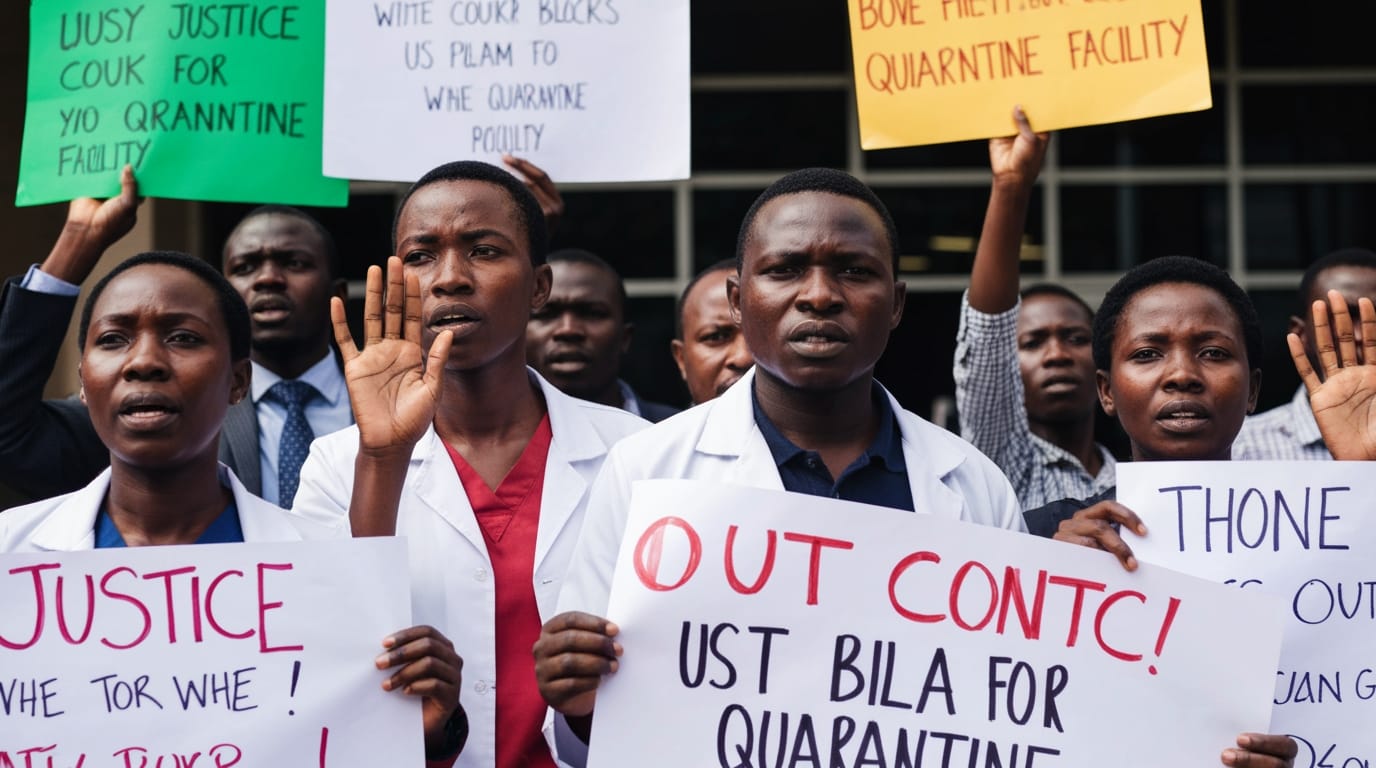
Nairobi, Kenya – A Kenyan High Court has temporarily suspended a contentious plan by the United States to establish an Ebola quarantine facility on Kenyan soil, a decision that comes amidst mounting public opposition and legal challenges. The ruling effectively blocks the immediate operationalization of the facility, intended to house American citizens exposed to the deadly virus, and spotlights deep-seated concerns over national sovereignty, public health safeguards, and transparency in international health partnerships.
The injunction, issued by Justice Patricia Mande/Nyaundi on Friday, May 29, 2026, prevents the Kenyan government from establishing, operationalizing, or facilitating any Ebola-related quarantine, isolation, or treatment facility stemming from arrangements with the U.S. or any other foreign entity. Furthermore, the court explicitly restrained authorities from admitting into Kenya any individuals exposed to or infected with Ebola under the proposed arrangement, pending a full hearing on the matter. The decision follows a petition filed by the Katiba Institute, a prominent governance watchdog, which argued that the plan raised serious constitutional, legal, and public health concerns.
The Genesis of the US Proposal
The US initiative emerged as a response to an escalating Ebola outbreak, primarily centered in the Democratic Republic of Congo (DRC) and impacting neighboring Uganda. Reports indicated that the Trump administration sought to establish a 50-bed quarantine unit at Kenya's Laikipia Air Base. The primary objective was to provide a regional hub for American citizens who had been exposed to Ebola, particularly those working or traveling in the affected areas of Central and East Africa. Officials stated that the facility would cater to asymptomatic individuals, allowing them to be isolated and monitored closer to the source of the outbreak, thereby circumventing the logistical complexities and potential risks associated with lengthy trans-Atlantic evacuations back to the United States.
The facility was designed to offer high-quality care, with plans for staffing by commissioned officers from the US Public Health Service. Trump administration officials had previously emphasized a strong stance against allowing Ebola cases onto US soil, a policy that underscored the rationale behind establishing an offshore quarantine site. While initial reports suggested that the Kenyan government had given its approval or was in advanced discussions for the facility, subsequent developments indicated ongoing negotiations and a lack of formal, public consent. The facility was reportedly slated to become operational on the very day the court issued its halting order.
A Nation's Resistance: Concerns Over Sovereignty and Safety
The US proposal ignited fierce opposition across various segments of Kenyan society, including doctors, rights groups, and the general public. A central point of contention was the perceived lack of transparency surrounding the agreement. The Katiba Institute, in its petition, asserted that the arrangement was being undertaken without adequate public participation, parliamentary oversight, or full disclosure of its health, environmental, and security implications. This alleged secrecy fueled public mistrust and raised questions about the constitutional accountability of the Kenyan government in entering such an agreement.
Critics voiced significant concerns that the establishment of such a facility would effectively transform Kenya into an "offshore quarantine center" for foreign states, potentially exposing its own citizens and healthcare workers to undue risks from a disease not present within its borders. The National Association of Kenyan Medical Practitioners, Pharmacists and Dentists Union had even issued a 48-hour strike notice, demanding full disclosure of the details surrounding the proposed center. Further exacerbating these fears was the argument that Kenya's existing medical infrastructure, particularly its biosafety laboratory capacity, was ill-equipped to safely manage a highly infectious disease like Ebola. Petitioners highlighted that Ebola requires Biosafety Level 4 (BSL-4) facilities, yet Kenya primarily possesses BSL-1 and BSL-2 laboratories, with only limited BSL-3 capacity, creating a significant preparedness gap.
Broader Implications for Global Health Cooperation
The High Court's conservatory orders underscore a growing global sensitivity regarding public health initiatives involving foreign entities, particularly in the context of highly contagious diseases. The ruling emphasizes the importance of national sovereignty and the imperative for governments to prioritize the safety and constitutional rights of their citizens in international agreements. The case also brings to the forefront the critical need for transparent processes and public consultation in matters of significant public health impact.
While the US plan aimed to enhance rapid containment and provide care closer to the source of the outbreak, the Kenyan court's decision reflects a broader reluctance in some nations to bear perceived risks on behalf of others, especially when domestic health systems may be vulnerable. The ongoing Ebola outbreak in the DRC has seen over 900 suspected cases and more than 220 suspected deaths, alongside confirmed cases in Uganda. Kenya, despite not having reported any confirmed cases, has maintained heightened screening and preparedness measures due to its extensive regional transport links and its role as a key travel hub in East Africa. The temporary halt prompts a re-evaluation of how international health crises are managed collaboratively, particularly concerning the ethical and logistical frameworks governing the treatment and quarantine of exposed individuals across national borders.
Conclusion: A Precedent for Future Partnerships
The Kenyan High Court's ruling marks a significant development, setting a precedent that could influence future international health collaborations and pandemic preparedness strategies. By temporarily blocking the establishment of the US-backed Ebola quarantine facility, the court has affirmed the necessity for constitutional accountability, public transparency, and robust domestic safeguards in any arrangements involving potential public health risks. The decision sends a clear message that while global health security requires cooperation, it must not come at the perceived expense of national interests or public trust. The unfolding legal proceedings are expected to further define the balance between international health mandates and the sovereign rights and public health concerns of host nations.


