India Counts Its Trees: A Nationwide Census Takes Root
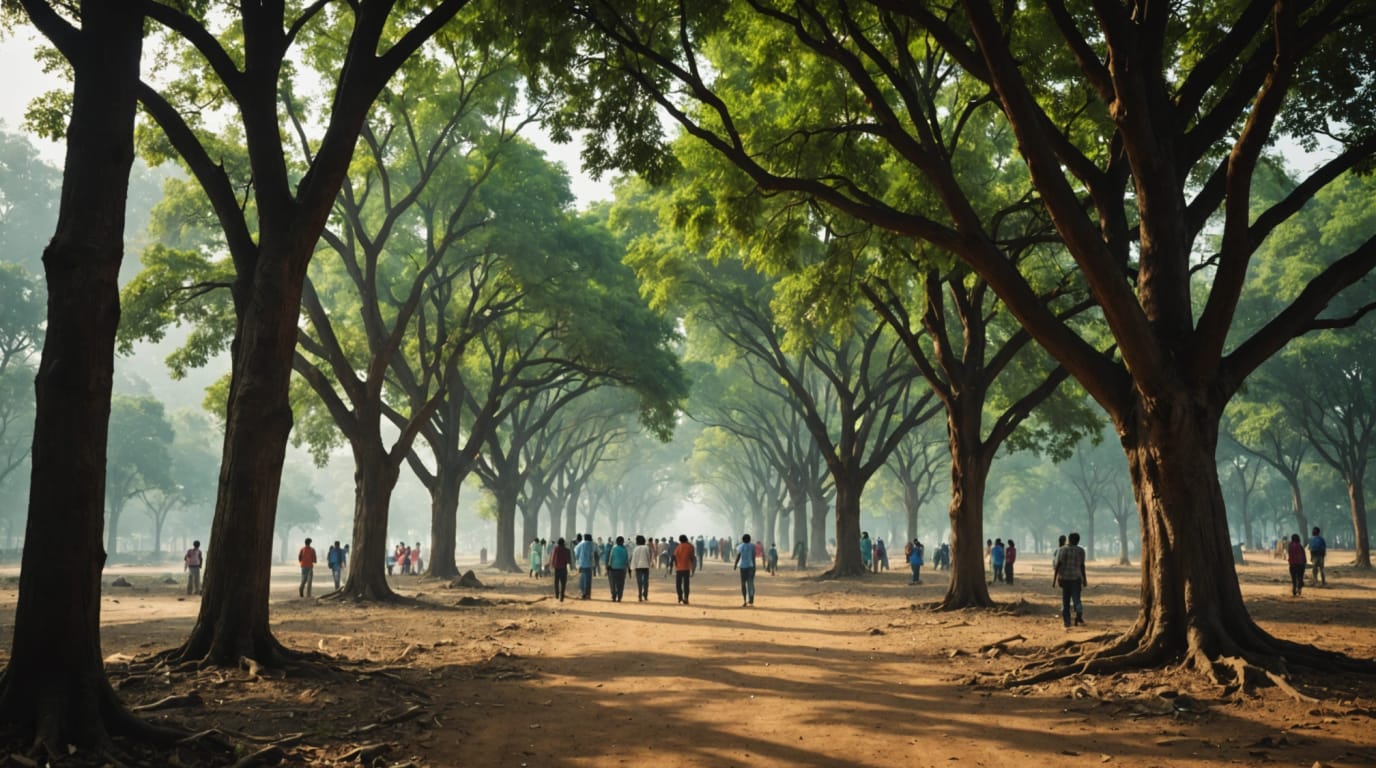
Across India, a monumental effort is underway: counting every tree. This ambitious undertaking, known as a tree census, is gaining momentum as cities and states recognize the vital role trees play in environmental sustainability, urban planning, and the overall well-being of their citizens. From the bustling metropolis of Delhi to the heritage-rich city of Nashik, authorities are employing a mix of traditional methods and cutting-edge technology to document their arboreal assets.
Why Count Trees? The Purpose of a Census
A tree census is more than just a headcount. It's a comprehensive scientific, technical, and educational endeavor designed to characterize a tree population in terms of its structure, function, and value. Experts and volunteers meticulously gather data on the number, species, size, condition, and location of trees within a defined area. This detailed information serves multiple critical purposes:
- Management: A tree census enables informed decision-making regarding the composition, condition, and distribution of trees, guiding daily and strategic planning.
- Planning: By tracking changes in the landscape, a census helps predict and analyze the impacts of proposed projects on the environment.
- Environmental Stewardship: It provides insights into tree diversity and distribution patterns, informing targeted conservation strategies.
- Urban Planning and Green Spaces: Tree censuses highlight areas with limited tree cover, allowing authorities to prioritize planting initiatives and promote community well-being.
- Public Safety: Data from tree censuses can be used to identify and manage hazardous trees, reducing the risk of tree-related accidents and property damage.
- Budget Allocation: A census aids in understanding the resources trees provide, which helps in proper budget allocation.
Methods and Technologies: From Measuring Tapes to Drones
Conducting a tree census involves a combination of traditional fieldwork and advanced technologies. Enumerators, often supervised by botanists, meticulously record data for each tree. The process typically includes:
- Identification: Determining the species of each tree, often based on morphological characteristics such as bark, leaves, flowers, and fruits.
- Measurement: Recording physical attributes like trunk diameter (girth), tree height, canopy spread, and root health.
- Location: Mapping the precise location of each tree using GPS devices.
- Condition Assessment: Evaluating the overall health and structural integrity of the tree.
Increasingly, technology is playing a crucial role in enhancing the efficiency and accuracy of tree censuses. Tools like remote sensing technology, LiDAR, drones, Geographic Information Systems (GIS), and mobile applications are being deployed. Drones equipped with cameras and sensors capture detailed aerial imagery, facilitating the mapping of tree cover, health, and distribution, especially in remote areas. Mobile applications, such as VrukshSharad, allow field officers to record data, including tree identification, girth, height, age, and health condition, and upload it to a central database.
The Benefits of Knowing Your Trees
The benefits of conducting a tree census are far-reaching, impacting various aspects of urban and rural life:
- Improved Air Quality: Trees absorb pollutants and release oxygen, improving air quality and reducing respiratory illnesses.
- Climate Change Mitigation: Trees sequester carbon dioxide, helping to mitigate climate change and reduce greenhouse gas emissions.
- Reduced Urban Heat Island Effect: Trees provide shade and cool the surrounding environment through evapotranspiration, reducing the urban heat island effect.
- Enhanced Biodiversity: Trees provide habitat for a diverse array of plant and animal species, contributing to the richness and resilience of ecosystems.
- Stormwater Management: Trees help reduce stormwater runoff and the risk of flooding by absorbing rainwater.
- Economic Benefits: Urban forests enhance property values, attract tourism, create employment opportunities, and reduce energy costs.
- Community Well-being: Green spaces provide opportunities for recreation, relaxation, and social interaction, improving mental and physical health.
In Mumbai, a recent tree census revealed an 18% decline in tree cover over the past decade due to urbanization and industrialization. This data prompted local authorities to launch a city-wide tree planting campaign, prioritizing areas with the greatest need for tree cover. As a result, over 1 million trees were planted across Mumbai, leading to a noticeable improvement in air quality and urban greenery.
In Kolkata, a tree census identified over 200 hazardous trees in public parks and residential areas. Based on this data, municipal authorities initiated a tree maintenance program, systematically pruning and removing hazardous trees. This resulted in a 40% decrease in tree-related accidents and a 30% reduction in property damage caused by falling branches.
Challenges and Criticisms
Despite the numerous benefits, conducting a tree census is not without its challenges. One of the main hurdles is ensuring the accuracy and reliability of the data. Concerns have been raised about errors in tree identification, incorrect mapping, and missing entries. In Bengaluru, for example, citizens and experts have identified significant quality gaps in the tree census data, including misidentified species, incorrect map positioning, and duplicate entries.
Another challenge is the lack of standardization in methodologies. Different cities and states may use different methods for conducting tree censuses, making it difficult to compare data across regions. Moreover, maintaining and updating the census data is an ongoing task that requires sustained resources and commitment.
Urban Forestry and the Nagar Van Yojana
The concept of urban forestry is gaining traction in India as a means of balancing development and conservation. Urban forestry involves the management and care of trees and forests within urban areas, promoting the health and sustainability of urban trees and green spaces. It plays a crucial role in enhancing the quality of life in cities, mitigating environmental challenges, and contributing to a more sustainable urban environment.
Recognizing the importance of urban forests, the Government of India launched the Nagar Van Yojana (NVY) in 2020, with the goal of creating 1,000 urban forests or green spaces across the country. As of August 2023, 385 projects had been sanctioned under the scheme. These urban forests act as green infrastructure, providing respite from heat island effects, filtering pollutants, strengthening soil systems, and providing habitat for biodiversity.
The Future of Tree Censuses in India
As India continues to urbanize, the importance of tree censuses and urban forestry will only grow. By providing valuable data on the distribution, condition, and benefits of trees, censuses can inform policies and practices that promote sustainable urban development and environmental conservation.
The Supreme Court of India has also recognized the importance of tree censuses, directing authorities in Delhi and the Taj Trapezium Zone to conduct comprehensive surveys. These directives underscore the critical role of tree censuses in protecting and preserving India's green cover.
Moving forward, it is essential to address the challenges and criticisms associated with tree censuses, ensuring data accuracy, standardizing methodologies, and promoting public participation. By embracing technology, fostering collaboration, and prioritizing environmental stewardship, India can harness the power of tree censuses to create healthier, more sustainable, and more livable cities for all.


