India-EU Forge Historic Free Trade Deal After Decades of Negotiations
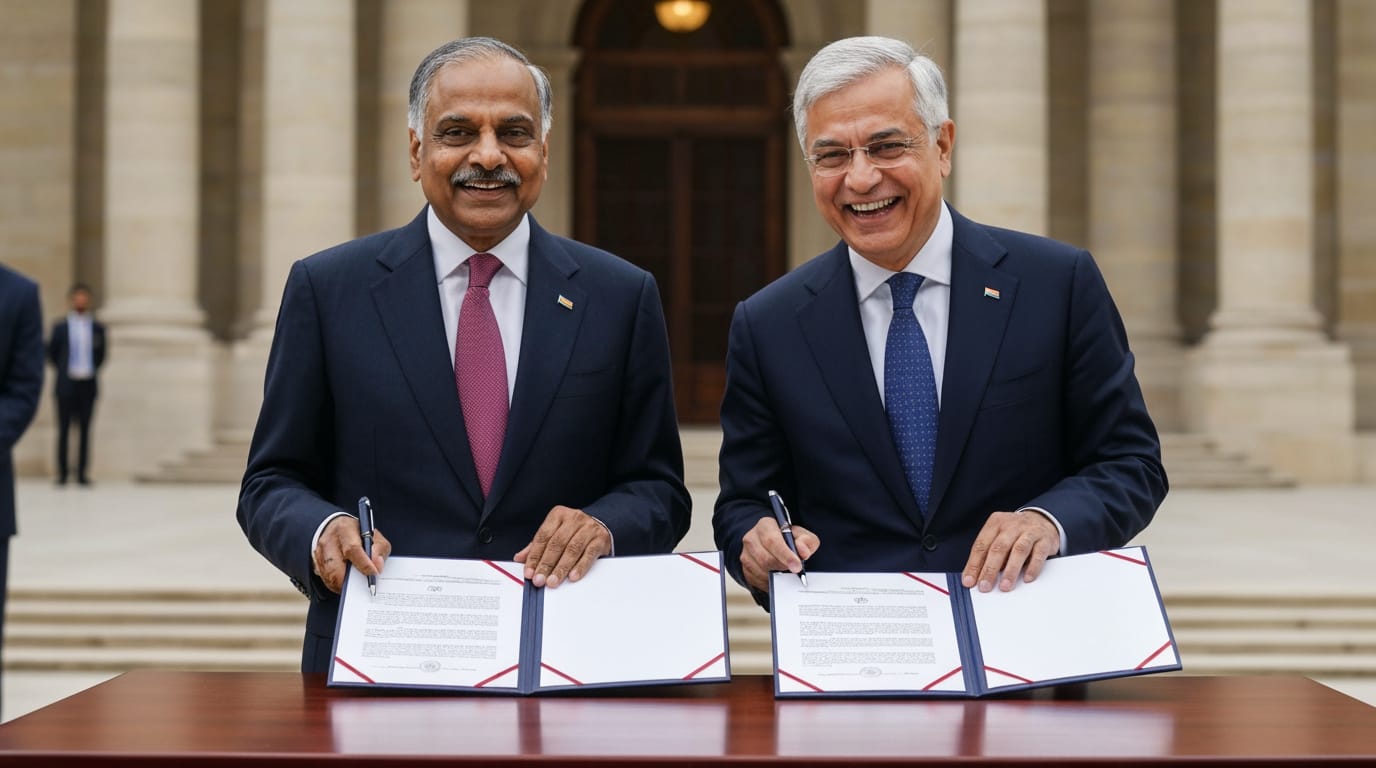
NEW DELHI, India – India and the European Union are poised to formally announce the successful conclusion of a comprehensive Free Trade Agreement (FTA) today, January 27, 2026, marking a pivotal moment in global trade relations after nearly two decades of on-again, off-again negotiations. Hailed by officials as a "historic milestone" and even the "mother of all deals," this ambitious accord is expected to reshape economic ties between two of the world's largest markets, fostering deeper integration and offering a strategic counterweight in a shifting geopolitical landscape. The agreement, culminating in a significant India-EU summit in New Delhi, promises to unlock substantial economic opportunities and strengthen strategic cooperation across diverse sectors.
A Decades-Long Journey Culminates
The path to this landmark agreement has been arduous, stretching back to 2007 when formal negotiations first began. The initial talks faced numerous roadblocks, leading to a nine-year hiatus from 2014 to 2022 due to seemingly irreconcilable differences on issues such as market access, intellectual property, and environmental regulations. However, a renewed sense of urgency, driven by global economic shifts and a shared desire for diversified partnerships, revitalized discussions in 2022. High-level political engagements, including a visit by the EU College of Commissioners to New Delhi in February 2025 and consistent dialogue between leaders at forums like the G7 and G20, injected critical momentum into the negotiation process. Indian Commerce Secretary Rajesh Agrawal confirmed on January 26, 2026, that all parties were ready to declare the agreement's completion, with negotiations having officially concluded on January 23, 2026, and approved by both sides by January 24, 2026.
Economic Stakes and Mutual Benefits
The economic implications of the India-EU FTA are profound. The European Union stands as India's largest goods trading partner, with bilateral trade in goods reaching approximately $136.6 billion in the fiscal year 2024-25. Including services and investment flows, the total bilateral trade between the two entities now exceeds $190 billion. For India, the deal provides crucial access to a market of 27 member states and 2 billion consumers, collectively accounting for a quarter of the global gross domestic product. India currently maintains a trade surplus with the EU, estimated at around $15 billion, underscoring the complementary nature of their economies.
The agreement is anticipated to significantly boost trade and investment flows by reducing tariffs and dismantling non-tariff barriers, thereby making goods and services more competitive. Indian exports to the EU, which include pharmaceuticals, machinery, agricultural products, and textiles, are expected to benefit from enhanced market access. Conversely, European exporters will find it easier to penetrate India's vast and rapidly growing market. Beyond traditional trade, the FTA aims to deepen cooperation in areas such as clean and green energy, science and technology, digital initiatives, and robust supply chains, reflecting a broader commitment to sustainable and resilient economic growth.
Navigating Complexities: Hurdles and Commitments
Despite the overarching optimism, negotiators had to tackle several sensitive areas. One significant point of contention involved import duties on automobiles, with European carmakers advocating for substantial reductions in India's tariffs, which previously soared as high as 110%. Reports indicate that India plans to cut these tariffs to 40%, a significant concession. To protect millions of its subsistence farmers, India ensured that sensitive agricultural and dairy products were largely excluded from the scope of tariff reductions within the agreement.
A notable inclusion in this FTA, a first for an Indian trade pact, is an ambitious labor mobility chapter. This element is expected to facilitate the movement of professionals, potentially offering 90-day visa-free stays for intra-corporate transferees and streamlined work-permit processing for Indian IT and engineering professionals across Europe. This aspect could be particularly impactful for India's burgeoning services sector, which already contributes significantly to the nation's exports.
However, challenges remain. The EU's Carbon Border Adjustment Mechanism (CBAM), which imposes climate-linked charges on carbon-intensive imports like steel and aluminum, presents a new hurdle for Indian exporters. While the FTA addresses tariffs, CBAM could act as a de facto barrier, especially for small and medium-sized enterprises (SMEs) in India. India is actively seeking exemptions or safeguards to mitigate the potential impact of CBAM.
A New Geopolitical Alignment
The conclusion of the India-EU FTA arrives at a crucial juncture in global affairs. Observers view this agreement as a strategic pivot for both India and the EU, offering a pathway to diversify trade partnerships and reduce economic vulnerabilities. For the EU, it represents an opportunity to lessen its historical over-reliance on China and hedge against increasing trade uncertainties. For India, this deal helps in diversifying its export markets and strengthening its position amidst geopolitical shifts, including concerns over potential protectionist policies from other major trading partners. The enhanced partnership transcends purely economic considerations, extending to areas of security and defence, reflecting a mutual commitment to a rules-based international order.
Looking Ahead
Following the formal announcement, the agreement will undergo a legal review process, or "legal scrubbing," which is expected to take five to six months. Once this critical step is complete, the text will be sent to all 27 EU member states for translation before requiring ratification by the European Parliament. Both sides are targeting an implementation date in early 2027, signaling the start of a new chapter in their dynamic relationship. This comprehensive Free Trade Agreement is poised not only to spur economic growth but also to deepen the strategic alignment between India and the European Union, fostering resilience and cooperation in an increasingly complex global environment.


