India Grapples with Alarming Rise in Murders Following Romantic Rejections
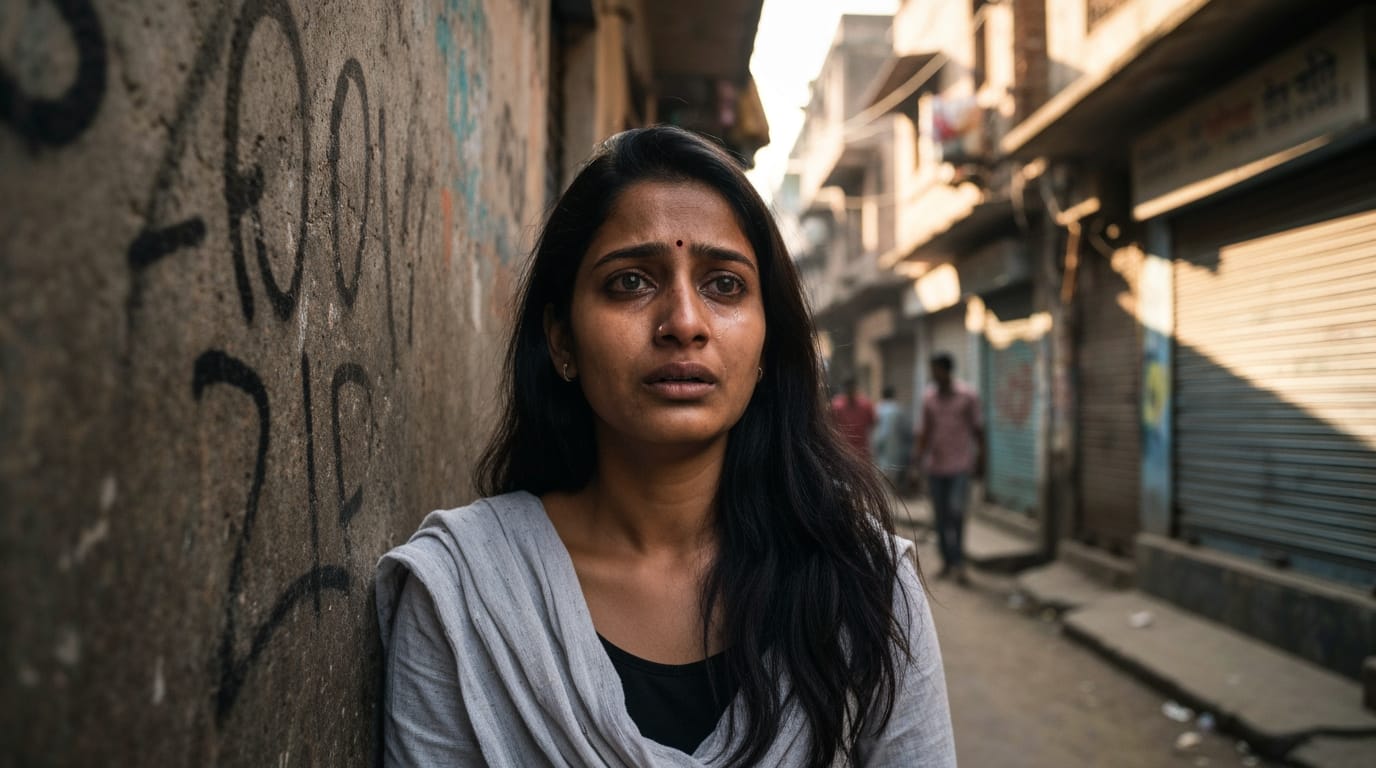
NEW DELHI, India – A disturbing trend is casting a long shadow over India, as data reveals a significant increase in violent crimes, including murders, stemming from romantic rejections and relationship disputes. This escalating pattern underscores deep-seated societal issues, patriarchal norms, and a troubling disregard for women's autonomy, leading to tragic outcomes for individuals and posing a profound challenge to public safety.
The phenomenon, often manifesting as extreme acts of violence by spurned individuals, has moved beyond isolated incidents to become a measurable component of the nation's crime statistics. Authorities and social observers are increasingly concerned by the persistence and growth of this particular form of gender-based violence, highlighting the urgent need for comprehensive intervention.
The Alarming Numbers: A Deadly Turn in Relationships
National Crime Records Bureau (NCRB) data paints a stark picture of romance turning fatal. In 2024, approximately one in every ten murders in India was linked to love affairs or illicit relationships. Out of 27,049 murder cases recorded nationwide, 2,802 were attributed to such relationship-related conflicts. This represents a concerning upward trajectory; between 2010 and 2014, these cases constituted roughly 7 to 8 percent of total murders, a figure that climbed to 10-11 percent from 2016 onwards. In 2022 alone, 1,401 individuals were murdered due to love affairs, and another 1,420 due to illicit relationships.
Specific regions report particularly high incidences. Andhra Pradesh, for instance, topped the charts in 2024 with 195 murders linked to illicit relationships, a rise from 156 in the previous year, with sexual jealousy identified as a motive in at least 30% of monthly murders in the state. Delhi, the national capital, also recorded a high number of relationship-linked murders among metropolitan cities, with 11 murders from 'love affairs' and 30 from 'illicit relationships' in 2024, and 16 cases attributed to love affairs in 2022. These figures collectively point to a growing crisis where personal relationships, particularly those involving rejection, are increasingly becoming flashpoints for extreme violence.
Beyond Rejection: A Spectrum of Brutality
The violence associated with romantic rejection extends beyond murder, encompassing a range of brutal acts. Acid attacks, stabbings, and severe assaults are frequently reported, often leaving victims with life-altering physical and psychological scars. For example, a young woman in Andhra Pradesh was stabbed and attacked with acid on Valentine's Day after rejecting a proposal, illustrating the immediate and devastating consequences of such refusals. Similarly, in Karnataka, an 18-year-old woman endured an acid attack for rejecting a marriage proposal.
Acid attacks, in particular, have been a long-standing concern, with rejection in love or marriage proposals accounting for more than one-third of such incidents. Perpetrators often aim to disfigure victims as an act of twisted retribution, with a high percentage of victims being young women and students. The physical injuries, which require extensive and painful surgeries, are often compounded by severe psychological trauma, including anxiety, depression, and lowered self-esteem, leading to social ostracization. Such incidents are not always impulsive; in Kerala, a study found that 29 out of 30 "unrequited love" murders over six years were pre-planned, demonstrating a calculated intent behind these violent acts.
The Roots of Violence: Patriarchy and Entitlement
Experts attribute this surge in violence to a complex interplay of deeply entrenched patriarchal norms, a pervasive sense of male entitlement, and a cultural inability to process rejection constructively. In Indian society, patriarchal structures often normalize male control over female autonomy, fostering an environment where women are viewed as subordinate and their agency over their own lives, particularly in romantic choices, is frequently challenged. The idea that a woman is a man's "property" persists, and a woman's "no" is sometimes perceived as an affront to male authority, triggering violent retaliation.
Studies also highlight a link between hypermasculinity, rejection sensitivity, and aggressive behavior. Men who subscribe to traditional masculine ideals may be more prone to overreact violently to perceived rejection, viewing it as a direct threat to their self-worth. This mindset can lead to a "death drive" mentality, where a spurned individual would "rather see you dead than free." Compounding this issue is the normalization of stalking in popular culture, particularly in some Bollywood narratives, which often romanticize persistent pursuit despite rejection, inadvertently contributing to a societal climate where such behavior is not taken seriously until it escalates into horrific acts.
The Legal Landscape and Implementation Gaps
India has a robust legal framework aimed at addressing violence against women. The Indian Penal Code (IPC) criminalizes various forms of gender-based violence, including murder, assault, and stalking. Significant amendments, such as the Criminal Law (Amendment) Act of 2013, specifically introduced provisions for acid attacks, sexual harassment, and stalking. Furthermore, the Protection of Women from Domestic Violence Act, 2005, provides civil remedies and protection orders for victims of physical, sexual, verbal, emotional, and economic abuse within families. More recently, the Bharatiya Nyaya Sanhita, enacted in December 2023, replaced colonial-era criminal codes and includes provisions to consolidate offenses against women and children.
Despite these legislative measures, significant challenges persist in implementation and enforcement. Social attitudes, institutional biases, and resource limitations often impede justice. Many cases of violence, particularly stalking, go unreported due to fear of reprisal, social stigma, and a lack of faith in the justice system. Police sometimes downplay incidents or fail to conduct thorough investigations, further discouraging victims from coming forward. The fact that stalking can often be a bailable offense in its initial stages allows perpetrators to continue or escalate their harassment, sometimes with tragic consequences.
A Call for Cultural Transformation
Addressing the rising tide of violence linked to romantic rejection requires more than just legal reforms; it demands a profound cultural shift. While laws provide a necessary framework for justice, they are insufficient without concurrent changes in societal attitudes and gender norms. There is a critical need to challenge the deeply ingrained patriarchal ideologies that foster male entitlement and normalize control over women's bodies and choices.
Efforts must focus on education, promoting mutual respect, and fostering healthy coping mechanisms for rejection. Campaigns that raise awareness about consent and the severe consequences of violence are crucial. Furthermore, strengthening support systems for victims, including accessible reporting mechanisms, psychological counseling, and legal aid, is paramount to ensuring their safety and encouraging them to seek justice. The alarming increase in murders following romantic rejections serves as a stark reminder that until fundamental societal perceptions of gender and autonomy evolve, the safety and freedom of women in India remain precarious.