India Grapples with Deadly Monsoon: Over 160 Lives Lost as Extreme Rains Devastate Multiple States
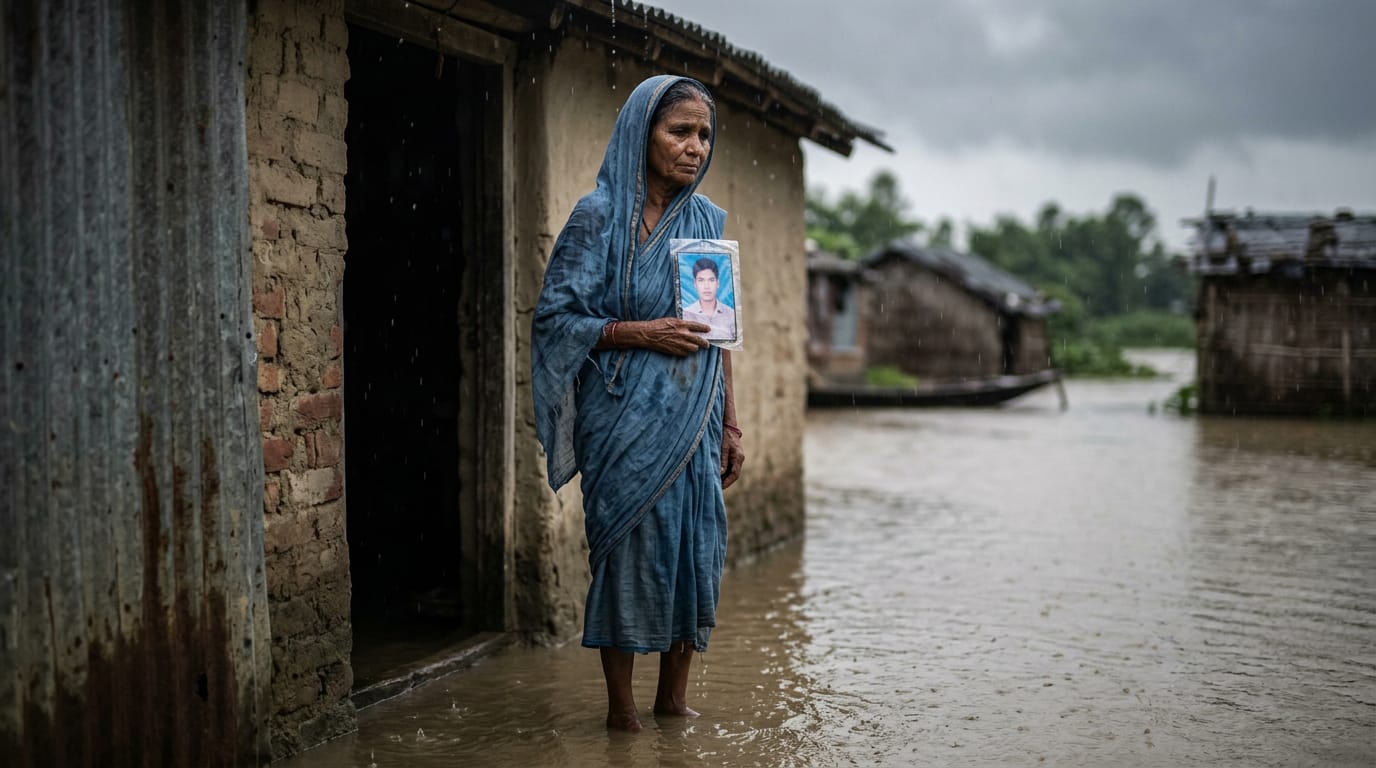
NEW DELHI, India – India is once again facing the fierce wrath of its annual monsoon season, with torrential rains, flash floods, and devastating landslides claiming at least 168 lives across multiple states as of early August 2026. The unrelenting downpours have triggered widespread chaos, displacing thousands, destroying homes and infrastructure, and underscoring the growing vulnerability of communities to increasingly unpredictable weather patterns.
The monsoon, a critical driver of India's agricultural economy, has turned destructive in several regions, transforming life-giving rains into a formidable threat. From the northern Himalayan states battling cloudbursts and landslides to the southern and northeastern regions grappling with severe flooding, the human and economic toll continues to mount, with rescue and relief operations working tirelessly amidst challenging conditions.
Widespread Havoc Across the Nation
The 2026 monsoon season has unleashed its fury indiscriminately, leaving a trail of destruction from the Himalayan foothills to the southern coast. In Himachal Pradesh, a mountainous northern state, nearly 70 individuals had tragically lost their lives by late July due to intense monsoon rains and cloudbursts. Neighboring Jammu and Kashmir also reported at least 15 fatalities from flash floods, landslides, and cloudbursts in a single day in mid-July, as part of a wider northern Indian death toll that included Nagaland and Uttarakhand.
The northeastern state of Assam has also been severely impacted, with at least 68 lives claimed and over 700,000 people affected as of early August. Villages lie inundated, and essential services are disrupted, necessitating extensive relief efforts. Further south, Kerala, a state prone to monsoon-related disasters, recorded 15 deaths by August 3, following days of torrential rainfall that caused landslides and swelled rivers. Rainfall in some parts of Kerala reached an exceptional 302 millimeters in under 24 hours. The toll in southern India included 11 deaths in Kerala and three from a landslide in Karnataka. These grim figures represent the immediate human cost of a season marked by extreme weather events.
The Unpredictable Nature of Monsoon Rains
India's monsoon, typically spanning from June to September, is vital for agriculture and replenishing water resources. However, in recent years, the pattern has shifted dramatically, with a propensity for short, violent bursts of rainfall that overwhelm natural systems and existing infrastructure. Experts link this rising intensity and erratic behavior to a warming climate, which enables the atmosphere to hold more moisture, leading to heavier and more unpredictable precipitation.
Cloudbursts, defined by the India Meteorological Department (IMD) as more than 100 millimeters of rain falling in an hour over a localized area, have become a recurring and particularly deadly phenomenon in mountainous regions. These sudden, intense downpours trigger flash floods and landslides with little to no warning, often engulfing entire villages and washing away roads and bridges. The mountainous Himalayan north, with its vulnerable geology, is especially susceptible to such events. Building activities on flood plains and unstable slopes, coupled with deforestation, are exacerbating these natural hazards, leaving more people and property exposed to their devastating effects.
Sustained Response and Ongoing Relief Operations
In the face of widespread calamity, state and national disaster response forces, along with local authorities and numerous aid organizations, have mobilized extensive rescue and relief operations. Teams from the National Disaster Response Force (NDRF) have been deployed to the worst-affected areas, including Pathanamthitta and Kottayam districts in Kerala. These teams are engaged in evacuating stranded populations, providing immediate medical assistance, and distributing essential supplies.
Relief camps have been established across affected states, offering temporary shelter, food, and medical care to thousands of displaced individuals. In Kerala alone, nearly 7,700 people were moved to approximately 275 relief camps in early August. Authorities in states like Himachal Pradesh have also been working to clear numerous blocked roads, including national highways, that were rendered impassable by landslides and flooding, complicating access for rescue and relief missions. The focus remains on mitigating risks, ensuring public safety, and reaching those cut off by the destruction.
The Deep Human and Economic Scars
Beyond the immediate loss of life, the monsoon's fury inflicts profound long-term consequences on communities and the national economy. Thousands have been displaced from their homes, some left with nothing but the clothes on their backs. The destruction of residential houses, bridges, shops, and agricultural land shatters livelihoods and creates immense financial strain. The psychological trauma endured by survivors, who often witness their homes and possessions swept away, is immeasurable.
In states heavily reliant on agriculture, crop damage due to excess rainfall or delayed planting can lead to food insecurity and economic hardship for farmers, many of whom are small and marginal landholders. The economic losses incurred by states can run into hundreds of millions of dollars, diverting crucial resources from development projects to immediate recovery efforts. For instance, Himachal Pradesh alone faced economic losses estimated at approximately ₹748 crore (over $89 million USD) due to destruction caused by the monsoon in early August 2024, highlighting the recurring financial burden. The 2024 monsoon season, one of the heaviest since 2020, also saw significant crop damage, contributing to food inflation and economic strain.
Building Resilience Against a Changing Climate
The increasing frequency and intensity of extreme weather events during India's monsoon season serve as a stark reminder of the urgent need for enhanced climate resilience and disaster preparedness. Scientists and policymakers emphasize that these erratic patterns are consistent with broader climate change trends, making past monsoon behaviors an unreliable guide for the future.
Long-term strategies must include investments in robust infrastructure designed to withstand heavier rainfall and geological shifts. Early warning systems need to be further strengthened, coupled with efficient communication channels to ensure timely evacuations and minimize casualties. Furthermore, sustainable land management practices, including reforestation and preventing unchecked construction in ecologically sensitive zones, are crucial to reduce the risk of landslides and mitigate the impact of floods. As India navigates the immediate challenges of the current monsoon, the imperative to adapt and build a more resilient future against the backdrop of a changing climate becomes ever more critical.
The ongoing monsoon season continues to pose significant threats across India. While the immediate focus remains on search, rescue, and relief operations, the long-term recovery and adaptation strategies will be vital in safeguarding lives and livelihoods against the increasing unpredictability of extreme weather events in the years to come.