India Grapples with Escalating Fuel Prices as Deepening Iran Crisis Rocks Global Oil Markets
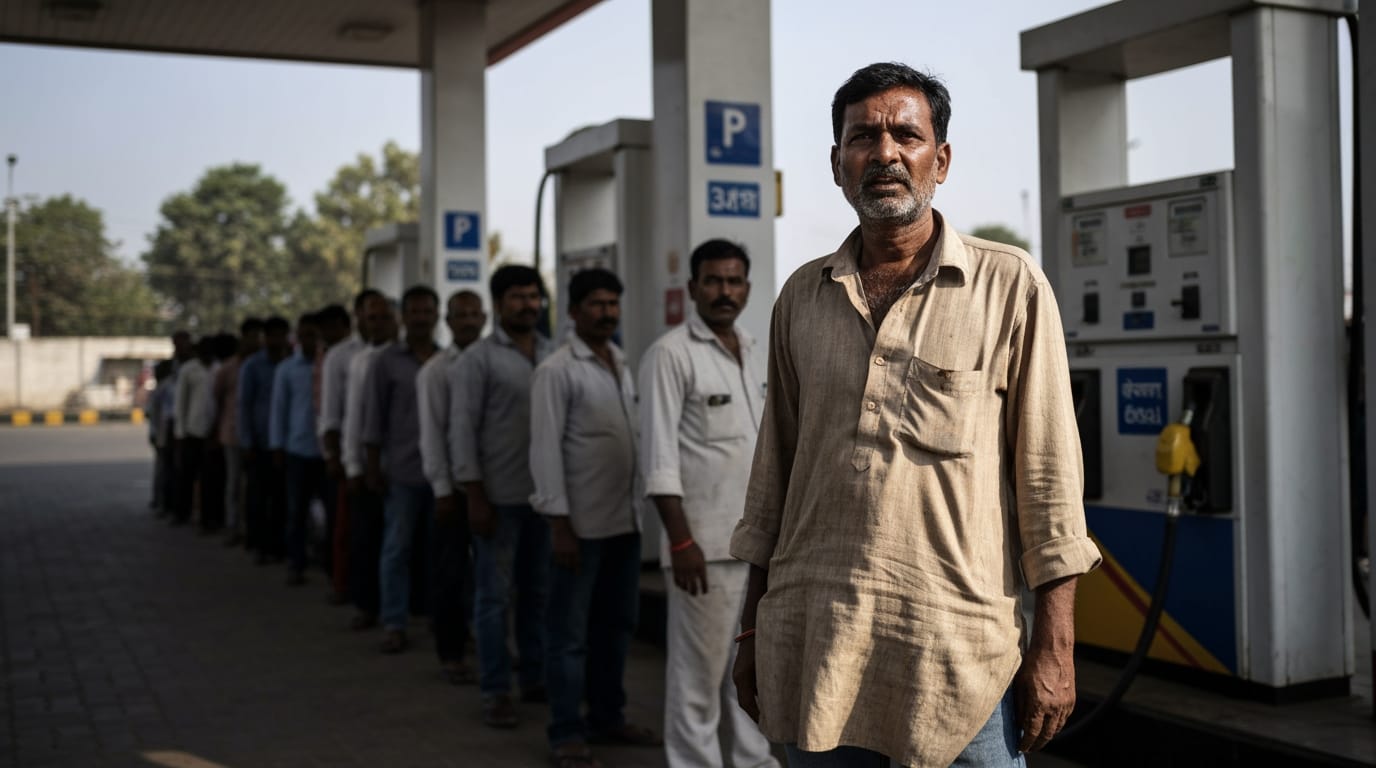
New Delhi, India – Indian consumers are facing a fresh wave of fuel price hikes, with petrol and diesel rates climbing for the second time in less than a week, directly attributable to the deepening crisis in Iran and its profound impact on global crude oil supplies. The recent surge underscores India's acute vulnerability to international energy market volatility, threatening to unleash wider inflationary pressures across the nation.
The latest revisions, which saw petrol and diesel prices increase by approximately 90 paise per litre across the country on Tuesday, May 19, 2026, follow a significant Rs 3 per litre hike just days earlier on May 15. This marks the first substantial increase in retail fuel prices for Indian consumers in four years, signaling a critical shift in the government's long-held strategy of shielding citizens from the full brunt of global oil shocks.
The Unfolding Price Surge Across the Nation
The cumulative increase in fuel prices, totaling around Rs 3.90 per litre since Friday, May 15, has quickly translated into higher costs at the pump for millions. In the national capital, Delhi, petrol is now priced at Rs 98.64 per litre and diesel at Rs 91.58 per litre, reflecting an 87 paise and 91 paise increase, respectively, on Tuesday. Mumbai has witnessed petrol climbing to Rs 107.59 per litre and diesel to Rs 94.08 per litre. Kolkata recorded the steepest petrol price hike among major metros, reaching Rs 109.70 per litre, while Chennai's diesel rates rose to Rs 96.11 per litre. This rapid succession of price adjustments follows a period where retail fuel prices had largely remained stable since April 2022, with only a minor Rs 2 per litre reduction in March 2024 ahead of general elections.
Geopolitical Tensions and Global Oil Shocks
The primary catalyst for these domestic price escalations is the ongoing conflict involving Iran, which has sent shockwaves through the global crude oil market. The deepening crisis has led to significant disruptions in the supply chain, particularly impacting the Strait of Hormuz, a crucial chokepoint through which approximately 20% of the world's oil trade, and substantial volumes of liquefied natural gas (LNG), normally flow. Reports from March 2026 indicated Brent crude surging to $82.37 per barrel, and by April 2026, prices had exceeded $100 per barrel due to the conflict and restricted maritime traffic. The International Energy Agency has characterized this situation as the "largest supply disruption in the history of the global oil market" and the "greatest global energy security challenge in history." Currently, Brent crude futures remain firm, trading above the $110 per barrel mark.
Market psychology during such geopolitical crises often incorporates a risk premium, driving prices higher even beyond immediate supply disruptions. Goldman Sachs Research estimates that traders were demanding an additional $14 per barrel for oil as of March 3, 2026, to account for increased risks. This volatile international environment directly translates to India's domestic fuel costs, as the nation remains heavily reliant on crude oil imports.
India's High Import Dependency Exacerbates Crisis
India stands as the world's third-largest oil importer, with a staggering dependence of nearly 88.6% on imported crude oil to meet its requirements. This high reliance makes its economy exceptionally susceptible to fluctuations in global crude prices and the stability of supply routes from regions like West Asia, from which India sources approximately 50% of its oil imports. The Indian crude basket price, which averaged $69.01 per barrel in February 2026, skyrocketed to $110.73 per barrel by May 15, 2026, marking an increase of over 60 percent since the conflict began.
For weeks, state-run oil marketing companies (OMCs) such as Indian Oil, Bharat Petroleum, and Hindustan Petroleum had been absorbing significant losses by maintaining stagnant domestic fuel prices despite soaring international crude costs. Before the Rs 3 per litre hike, these companies were reportedly incurring collective losses of nearly Rs 1,000 crore daily. Even after the initial price increase, OMCs continue to face daily losses of approximately Rs 750 crore on the sale of petrol, diesel, and LPG, indicating that the recent hikes only partially offset their mounting financial pressures.
Broad Economic Repercussions and Public Burden
The continuous rise in fuel prices carries significant economic implications for India. Increased costs for transport and logistics are anticipated to fuel broader inflation, burdening households and businesses nationwide. Analysts have warned of potential inflationary pressure worsening in the coming weeks and months, with fears of stagflation and recession looming if the crisis persists. For the average citizen, this translates to higher transportation fares, increased prices for essential commodities, and tighter household budgets.
In response to the escalating energy prices, Prime Minister Narendra Modi urged citizens to prioritize fuel conservation, explore work-from-home options, and reduce non-essential travel. Some state governments have already instructed departments to limit travel and operate with reduced office staffing. The government's decision to allow price increases, after a long period of absorbing the costs, suggests a challenging balancing act between protecting consumers and addressing the fiscal and market pressures on the OMCs and the national exchequer.
The current scenario highlights India's critical need for long-term energy security strategies and diversification of its energy sources to mitigate the impact of unpredictable global geopolitical events. The ongoing crisis in Iran serves as a stark reminder of the interconnectedness of global energy markets and the far-reaching consequences of regional conflicts on economies worldwide.


