India Imposes Fare Caps Amid IndiGo Chaos, Orders Immediate Refunds for Stranded Passengers
NEW DELHI – In an unprecedented move, the Indian government has intervened forcefully in the country's aviation sector, imposing temporary fare caps on airlines following a week of widespread flight cancellations and operational chaos by IndiGo, India's largest carrier. The Ministry of Civil Aviation (MoCA) announced Saturday that it would cap airfares on affected routes to prevent "opportunistic pricing" and protect passengers, who have faced exorbitant ticket prices and severe disruptions. Simultaneously, the Directorate General of Civil Aviation (DGCA) has mandated IndiGo to process all pending passenger refunds by Sunday evening, December 7, 2025, threatening regulatory action for non-compliance.
The crisis, which began in early December, saw IndiGo cancel thousands of flights, leaving tens of thousands of passengers stranded across major airports nationwide. With last-minute ticket prices on alternative carriers skyrocketing, the government's intervention underscores a critical emphasis on consumer protection amidst operational failures and market volatility.
Aviation Meltdown: IndiGo's Operational Nightmare
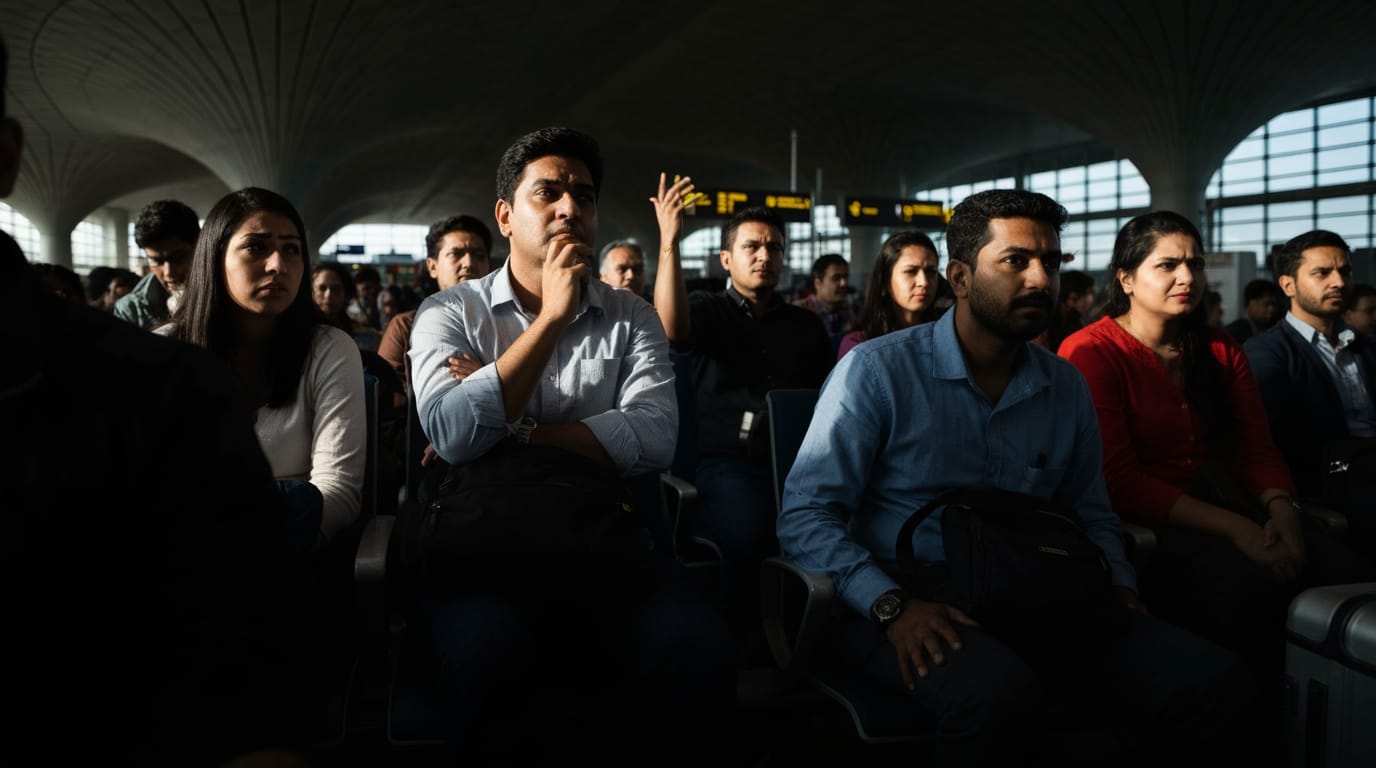
The operational disarray at IndiGo began to spiral in early December, culminating in a peak of over 1,000 cancellations on Friday, December 5, and more than 500 on Saturday, December 6. Major aviation hubs including Delhi, Mumbai, Bengaluru, Hyderabad, Chennai, Goa, and Ahmedabad bore the brunt of the disruption, transforming airport terminals into scenes of frustration and despair. Passengers reported last-minute alerts, a severe lack of communication from airline staff, and interminable queues for information or rebooking. The human impact was profound, with travelers expressing distress over missed engagements, disrupted wedding plans, and fears of job repercussions. One viral video captured a visibly overwhelmed passenger pleading, "Someone please tell my boss not to fire me," encapsulating the personal toll of the widespread cancellations.
The Genesis of Chaos: Pilot Shortages and Regulatory Shifts
IndiGo, which operates over 2,200 flights daily and holds a dominant market share in India, attributed the widespread cancellations to a confluence of "unforeseen operational challenges." However, the primary catalyst for the crisis was the airline's admitted failure to adequately prepare for new Flight Duty Time Limitation (FDTL) norms, which came into effect on November 1, 2025. These stricter regulations, aimed at improving pilot safety and preventing fatigue, mandated an increase in weekly rest periods for flight crews from 36 to 48 hours and imposed more stringent limits on night flying.
IndiGo CEO Pieter Elbers publicly acknowledged the airline's "misjudgment and planning gaps" in implementing the second phase of these FDTL rules. The airline's inability to effectively rework its crew rosters and recruit sufficient pilots to meet the new requirements led to an acute shortage of cockpit crew, forcing the grounding of hundreds of aircraft and a dramatic reduction in operational capacity. This operational oversight, compounded by minor technical glitches, winter schedule adjustments, and increased air traffic congestion, created a cascading effect that crippled the airline's vast network. Pilot associations, such as the Federation of Indian Pilots, criticized IndiGo's lack of preparedness, noting that other major airlines like Air India and Akasa were largely unaffected by the new FDTL norms, suggesting better proactive planning on their part.
Government's Decisive Intervention: Protecting Passengers
As the crisis deepened and airfares on unaffected flights soared—in some instances reaching five to ten times their usual rates, with some tickets exceeding ₹90,000 on busy routes—the Ministry of Civil Aviation stepped in. Citing concerns over "unusually high airfares" and "opportunistic pricing," the MoCA invoked its regulatory powers to introduce fare caps across all affected routes. This measure is intended to maintain pricing discipline, prevent exploitation of distressed passengers, and ensure that vulnerable travelers, including senior citizens, students, and patients, are not subjected to undue financial hardship. The fare caps, which were last imposed during the COVID-19 pandemic in 2020, will remain in force until the aviation situation fully stabilizes. The ministry confirmed it would actively monitor fare levels through real-time data and coordinate with airlines and online travel platforms to ensure strict adherence.
Beyond pricing, the government issued a clear directive to IndiGo: all pending passenger refunds for cancelled or disrupted flights must be processed by 8:00 PM IST on Sunday, December 7, 2025. Airlines have also been explicitly instructed not to levy any rescheduling fees for passengers whose travel plans were impacted by the cancellations, and to ensure that all separated baggage is traced and delivered within 48 hours, with compensation provided where necessary.
Broader Implications and Path to Normalcy
In an effort to alleviate the immediate crisis and enable IndiGo to restore normal operations, the DGCA temporarily placed some of the FDTL norms in abeyance, granting exemptions to certain rest-duty provisions for IndiGo pilots until February 10, 2026. This decision, however, drew criticism from pilot associations, who argued that safety standards should not be compromised due to an airline's poor planning.
The government has also launched a high-level inquiry to investigate the root causes of the widespread operational disruptions and determine accountability for the lapses that led to the flight cancellations and subsequent fare spikes. Recognizing the severity of the passenger crunch, Indian Railways proactively augmented its services, deploying 166 additional coaches across 37 premium trains and operating over 114 extra trips to facilitate travel for stranded passengers, particularly on high-demand routes connecting major affected cities.
IndiGo CEO Pieter Elbers has stated that the airline anticipates a return to normal operations between December 10 and 15, 2025. Meanwhile, other airlines, including Air India, took proactive steps to cap their economy class fares on direct domestic flights from December 4, aiming to prevent a market-driven surge in prices.
The week-long aviation turmoil has highlighted the delicate balance between airline operational autonomy, regulatory oversight, and consumer protection. The Indian government's swift and decisive actions to cap fares and enforce refunds send a strong message regarding its commitment to safeguarding passenger interests. As IndiGo works to stabilize its operations, the crisis serves as a critical lesson in robust manpower planning and adherence to safety-driven regulatory frameworks within India's rapidly growing aviation sector.


