India-Pakistan T20 World Cup Clash Back On After Diplomatic Breakthrough
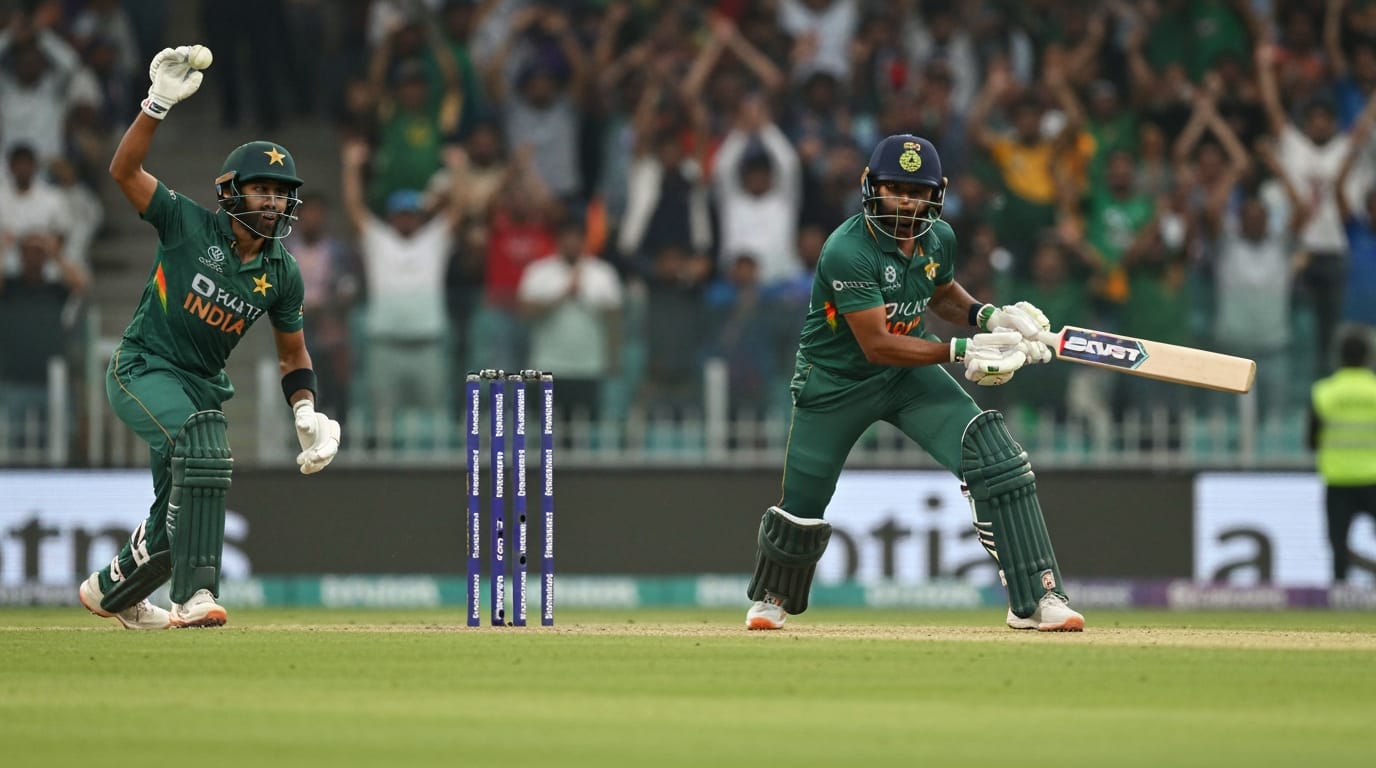
Colombo, Sri Lanka – In a significant development that has sent ripples of excitement across the cricketing world, the highly anticipated India-Pakistan clash at the ICC Men's T20 World Cup is officially back on, following Pakistan's decision to end its brief boycott. The marquee encounter, scheduled for February 15, 2026, in Colombo, Sri Lanka, was reinstated after intense diplomatic efforts and multilateral discussions involving the International Cricket Council (ICC), the Pakistan Cricket Board (PCB), and other cricketing nations. The resolution ensures that one of sport's most electrifying rivalries will once again grace the global stage, much to the relief of millions of fans and stakeholders alike.
The Boycott's Swift Reversal
The prospect of an India-Pakistan encounter had been shrouded in uncertainty for weeks after Pakistan initially announced its intention to boycott the match. This decision, conveyed by the Pakistani government, was made in solidarity with Bangladesh, which had withdrawn from the T20 World Cup following the ICC's rejection of its request to play matches outside India due to security concerns. Bangladesh was subsequently replaced by Scotland in the tournament roster. The boycott threatened to cast a shadow over the tournament, given the unparalleled commercial and emotional significance of an India-Pakistan fixture.
However, behind-the-scenes negotiations proved fruitful. Discussions held in Lahore, involving ICC Deputy Chair Imran Khawaja, Pakistan Cricket Board Chairman Mohsin Naqvi, and Bangladesh Cricket Board representative Aminul Islam, played a crucial role in resolving the impasse. Further persuasion from "friendly countries," including Sri Lanka and the United Arab Emirates, also influenced Pakistan's change of stance. On Monday, the Pakistani government issued a press release formally directing the national team to participate in the scheduled fixture, citing the desire "to protect the spirit of cricket" and support the continuity of the sport globally. The ICC, in turn, reaffirmed Bangladesh's status as a valued Full Member and committed to facilitating growth in its vibrant cricketing market, while reportedly agreeing to some of the BCB's demands, including no financial or administrative penalties and the potential for future hosting rights for a global tournament.
The Enduring Rivalry: More Than Just a Game
The India-Pakistan cricket rivalry is universally acknowledged as one of the most intense and captivating sporting contests in the world, transcending mere athletic competition. Its roots trace back to the geopolitical tensions stemming from the 1947 partition of British India, which led to the creation of both nations. Matches between the two sides are often seen as proxy battles, laden with national pride and historical narratives.
The teams first met in 1952, and while bilateral cricket ties have frequently been suspended due to political strains—most notably after the 2008 Mumbai terror attacks—encounters in ICC and ACC tournaments have continued. These contests regularly attract billions of viewers, making them among the most-watched sporting events globally. While the intensity on the field is undeniable, the rivalry has also, at times, served as a unique platform for "cricket diplomacy," offering opportunities for dialogue and goodwill between the two nuclear-armed neighbors. Leaders from both countries have historically used these matches to engage in discussions and ease tensions, emphasizing the sport's power to unite even amidst political divisions.
High Stakes: Economic and Sporting Impact
The return of the India-Pakistan clash carries immense economic and sporting significance for the T20 World Cup and global cricket as a whole. The fixture is a cornerstone of the ICC's commercial viability, with reports indicating its centrality to multi-billion-dollar broadcast deals. A potential boycott would have dealt a severe blow to the tournament's revenue, impacting sponsorships, advertising, and overall viewership.
Beyond the financial implications, the match is a sporting spectacle unlike any other. The short, explosive format of T20 cricket amplifies the drama, with every run and wicket taking on monumental significance. The pressure on players is immense, as they carry the hopes and expectations of millions. Legends like Sachin Tendulkar, Virat Kohli, Wasim Akram, and Imran Khan have all acknowledged the unique challenges and emotional weight of playing in these high-stakes encounters. The outcome can significantly influence group standings, net run rates, and overall tournament momentum, making it a critical fixture for both teams aiming for World Cup glory.
A Collective Sigh of Relief and Anticipation
The decision to proceed with the India-Pakistan match has been met with widespread relief and excitement from cricketing fraternities and fan bases across the globe. The prospect of witnessing this iconic rivalry rekindled on the world stage injects an unparalleled energy into the T20 World Cup. Ticket sales for the original fixture in Colombo had sold out within minutes, underscoring the insatiable demand for this contest. The city of Colombo itself was already buzzing with anticipation, experiencing a surge in hotel bookings and hospitality planning for the event.
For fans, the wait for this fixture represents more than just a game; it is an emotional rollercoaster, a cultural event that brings communities together. The global cricket ecosystem understands that the presence of an India-Pakistan match makes the T20 World Cup more popular, attracting unprecedented attention from advertisers and record-breaking numbers of spectators. The re-scheduling of this match ensures the tournament maintains its marquee status and delivers on the promise of world-class cricketing drama.
Conclusion
The reversal of Pakistan's boycott and the confirmation of the India-Pakistan T20 World Cup clash on February 15, 2026, marks a triumph for sports diplomacy and the enduring appeal of one of cricket's most compelling rivalries. While political tensions between the two nations continue to present challenges, the agreement underscores a collective commitment to separating sport from politics when possible, for the broader good of the game. The upcoming encounter in Colombo will not merely be a contest of bat and ball; it will be a spectacle of national pride, a testament to cricket's unifying power, and a reminder of why this rivalry remains unparalleled in its intensity and global impact. Fans can now eagerly anticipate a clash that promises to deliver unforgettable moments and captivate the attention of the entire world.


