India Reaffirms Unwavering Resolve to Defeat Terrorism on Operation Sindoor Anniversary
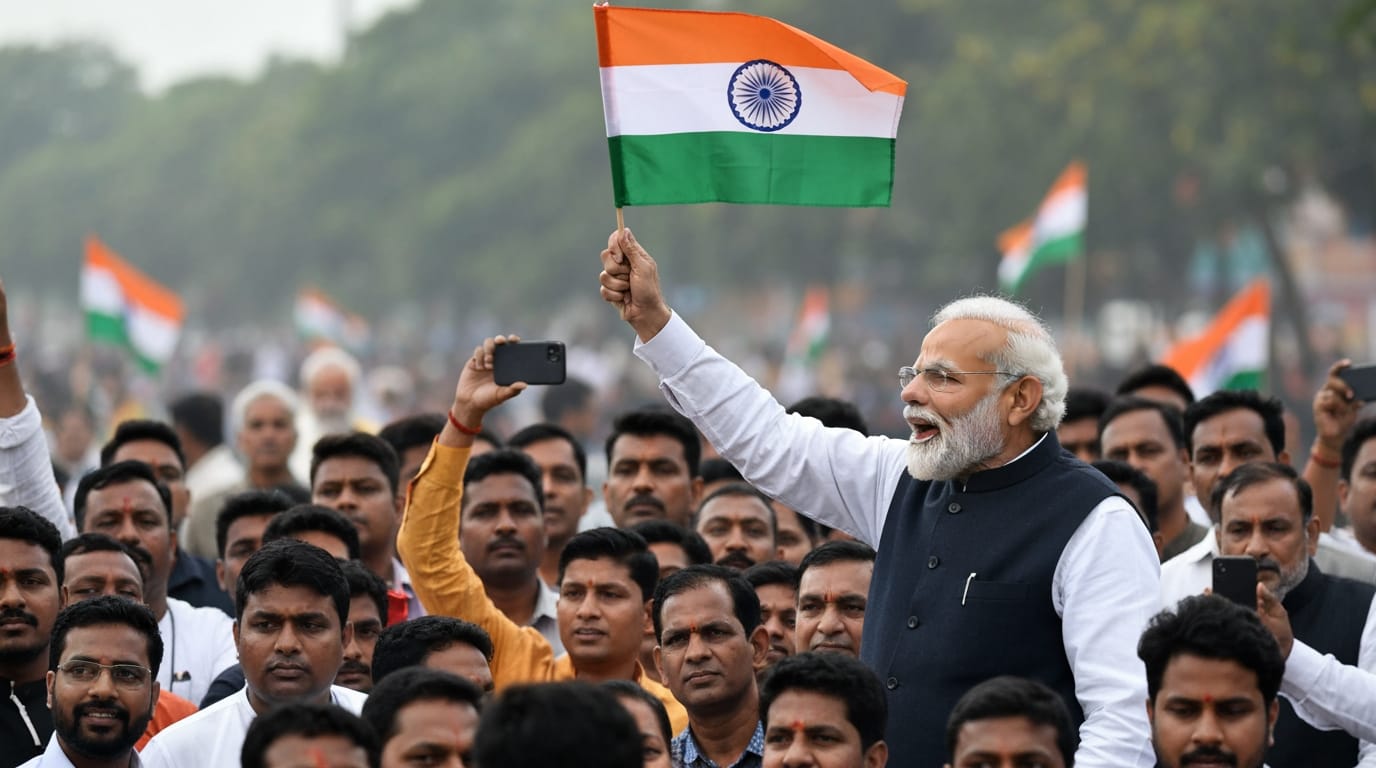
New Delhi, India – India's Prime Minister Narendra Modi has unequivocally reaffirmed the nation's steadfast commitment to eradicating terrorism and dismantling its support structures, delivering a potent message on the first anniversary of Operation Sindoor. The declaration on May 7, 2026, underscores India's zero-tolerance policy against cross-border terrorism, particularly in the context of enduring tensions with Pakistan and a history of conflict that has repeatedly flared over the disputed Kashmir region. Modi's remarks highlight a hardening stance and a strategic shift towards proactive counter-terrorism measures, emphasizing that India will continue its rigorous campaign against all forms of terror and those who enable it.
A Year After Operation Sindoor: A Defined Response
The Prime Minister's forceful statement comes precisely one year after India launched Operation Sindoor on May 7, 2025. This decisive military action was initiated in direct response to a barbaric terror attack on April 22, 2025, in Pahalgam, Indian-administered Kashmir, which claimed the lives of 26 innocent tourists. India swiftly attributed the attack to Pakistan-backed groups, a charge Islamabad denied. Operation Sindoor, described as a "significant demonstration of India's military and strategic power," involved airstrikes on nine identified terror infrastructures in Pakistan and Pakistan-occupied Kashmir. Reports indicated that the operation successfully eliminated at least 100 terrorists and targeted 11 Pakistani airbases, compelling Pakistan to agree to a ceasefire after a brief, intense confrontation that included drone attacks and shelling. Prime Minister Modi, reflecting on the operation, stated that it mirrored India's firm response against terrorism and its unwavering commitment to national security, giving a fitting response to those who dared to attack innocent Indians.
Historical Underpinnings: Decades of India-Pakistan Conflict
The volatile relationship between India and Pakistan, rooted in the 1947 partition of British India, has been marred by a series of wars, conflicts, and military standoffs. A primary catalyst for this persistent animosity has been the long-running dispute over Kashmir and the issue of cross-border terrorism. Beyond the full-scale wars of 1947-48, 1965, and 1971, the 1999 Kargil War stands as a stark reminder of the perils of infiltration and proxy warfare. During the 20th anniversary of Kargil Vijay Diwas in July 2019, Prime Minister Modi had already articulated a similar sentiment, asserting that those defeated in conventional warfare were resorting to "pseudo-war" and promoting terrorism to achieve their political objectives. He reiterated this on the 25th anniversary in July 2024, warning "masters of terror" that their intentions would fail and that Indian soldiers would crush terrorism with full force. India has also faced numerous significant terror attacks on its soil, many linked to Pakistan-based militant groups such as Lashkar-e-Taiba (LeT) and Jaish-e-Mohammed (JeM), including the 2001 attack on the Indian Parliament and the devastating 2008 Mumbai attacks.
India's Evolving Counter-Terrorism Framework: PRAHAAR
Further solidifying its resolve, India unveiled its first comprehensive national counter-terrorism policy and strategy, named PRAHAAR, in February 2026. This groundbreaking policy represents a doctrinal shift, moving from reactive measures to a "proactive and intelligence-led operations" framework, underpinned by a "zero-tolerance" approach. PRAHAAR emphasizes a "whole-of-government" and "whole-of-society" strategy, focusing on preventing terror attacks, ensuring swift responses, and improving coordination among various agencies. A key element of the policy is to address the root causes and enabling conditions of terrorism, including radicalization. It also confronts modern and hybrid threats, such as the misuse of drones, the dark web, encrypted communications, and cryptocurrencies for terror financing and operations. The policy leverages legal foundations like the Unlawful Activities (Prevention) Act (UAPA) and newly enacted criminal codes, demonstrating a robust prosecutorial framework.
Geopolitical Implications: The 'Terror and Talks' Doctrine
Prime Minister Modi has consistently maintained a firm stance on India's engagement with Pakistan, articulating that "terror and talks cannot go together." His recent statements, including those following the Pahalgam attack and on the anniversary of Operation Sindoor, reinforce this doctrine. He has warned Pakistan against its use of "proxy war" and accused it of treating "terrorism as tourism" – a mindset he believes is detrimental to Pakistan itself and a global danger. This position suggests that any meaningful diplomatic engagement remains contingent on Pakistan taking demonstrable and irreversible action against terror groups operating from its soil. India has also shown a readiness to retaliate on its own terms if faced with future terror attacks, a policy exemplified by Operation Sindoor. This assertive approach not only aims to deter future aggressions but also to shape international efforts against terrorism, with India actively engaging in bilateral and multilateral forums for intelligence sharing and counter-terrorism cooperation.
Conclusion: A Determined Path Forward
The first anniversary of Operation Sindoor serves as a powerful reminder of India's unwavering determination to safeguard its national security and combat terrorism. Prime Minister Modi's renewed pledge reflects a consolidated and evolving counter-terrorism strategy, underpinned by historical experience and future-oriented policy frameworks like PRAHAAR. While the path to regional peace remains fraught with historical grievances and ongoing threats, India's message is clear: it will not bow to terror and will continue to pursue all measures necessary to neutralize threats and dismantle the ecosystem that fosters extremism. This resolute stance signals a long-term commitment to a proactive and comprehensive approach in the face of persistent security challenges.


