India Vows to Hunt Down Kashmir Attackers After Deadly Tourist Massacre
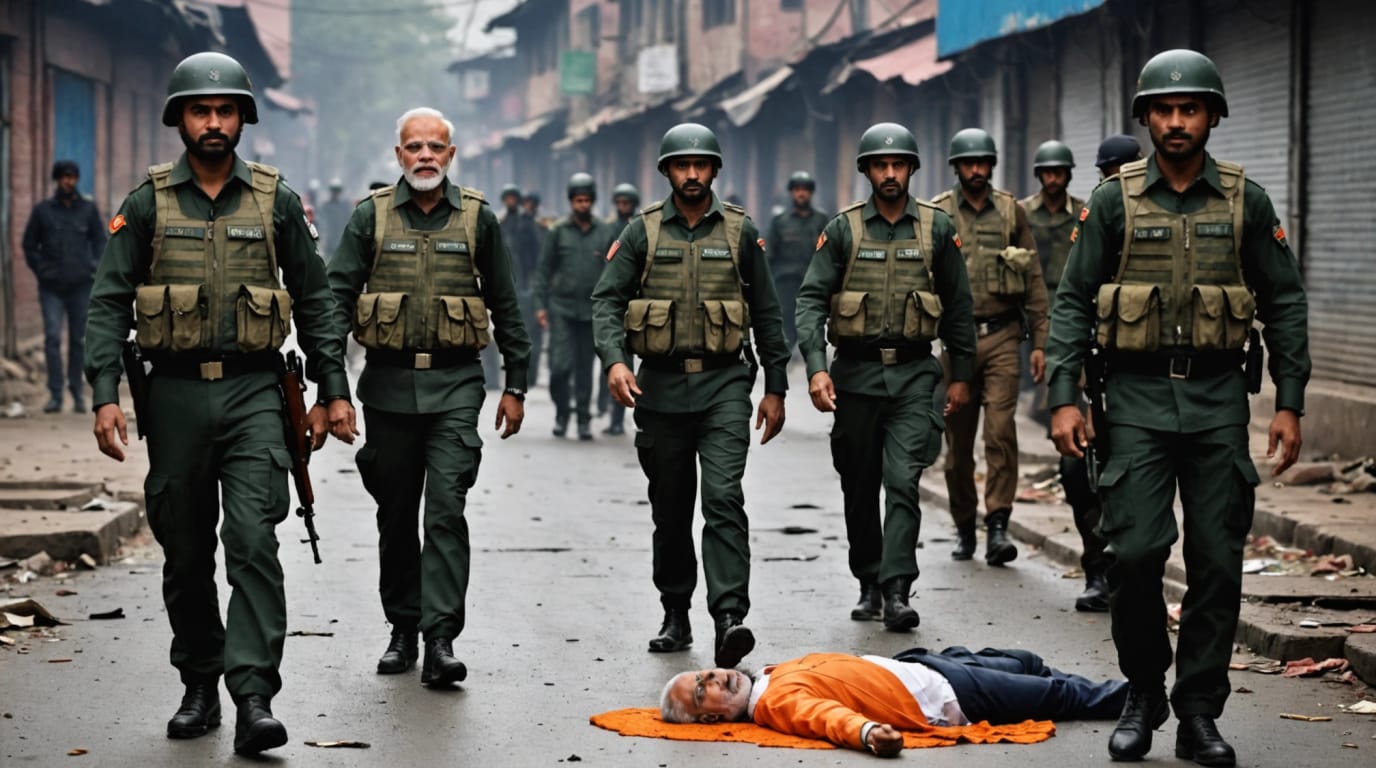
In the wake of a brutal attack in the Pahalgam area of Jammu and Kashmir that left 26 tourists dead, India has vowed to pursue the perpetrators to the "ends of the Earth." The attack, claimed by The Resistance Front (TRF), a group linked to the Pakistan-based Lashkar-e-Taiba, has sparked outrage and a series of swift actions by the Indian government, including the closure of a border crossing with Pakistan and the suspension of a decades-old water treaty.
Modi Pledges Retribution
Prime Minister Narendra Modi, who cut short a state visit to Saudi Arabia following the attack, has promised that those responsible will face severe consequences. Addressing a public meeting in Bihar, Modi declared that India would "identify, track and punish every terrorist and their backers" and that they would be punished "beyond their imagination." He emphasized the nation's resolve, stating that "the time has come to snatch their (terrorist's) remaining soil."
Details of the Attack
The attack occurred on April 22, 2025, in the Baisaran meadow of Pahalgam, a popular tourist destination known as "mini Switzerland." Gunmen opened fire on a group of tourists, reportedly singling out non-Muslim men. Eyewitness accounts suggest the attackers checked identification cards before executing their victims with assault weapons. The incident marks the deadliest attack on civilians in the region in years and has triggered widespread condemnation both within India and internationally.
India's Response
In the immediate aftermath of the attack, India has taken several steps, including:
- Border Closure: The Attari border crossing with Pakistan has been closed with immediate effect.
- Visa Restrictions: Pakistani nationals will not be allowed to travel to India under the SAARC visa exemption program, and previously issued visas under this scheme have been cancelled. Pakistani nationals currently in India with these visas have been given 48 hours to leave.
- Diplomatic Measures: Pakistani military advisors at the High Commission in New Delhi have been declared "persona non grata" and given one week to leave the country. India has also summoned Pakistan's top diplomat in New Delhi to lodge a formal protest.
- Suspension of Water Treaty: New Delhi has announced the suspension of the Indus Waters Treaty with Pakistan.
- Security Operations: Indian security forces have launched a massive search operation to apprehend the gunmen responsible for the attack. Sketches of the suspected terrorists have been released, and authorities believe some of the attackers may be foreign nationals.
The Resistance Front (TRF)
The Resistance Front (TRF), which claimed responsibility for the attack, is a relatively new group that emerged in Kashmir in 2019. It is believed to be an offshoot of Lashkar-e-Taiba, a Pakistan-based terrorist organization. TRF's emergence followed the Indian government's revocation of Kashmir's partial autonomy in August 2019 and the subsequent security clampdown. The group's stated aim is to resist what it calls the "demographic change" being imposed on the region by the settlement of "outsiders." In a social media message claiming responsibility for the attack, TRF expressed discontent over the settlement of more than 85,000 "outsiders" in the region.
International Condemnation and Support
The attack has drawn strong condemnation from world leaders, including the United States, Russia, and Italy. U.S. President Donald Trump and Russian President Vladimir Putin have both expressed their condolences to Prime Minister Modi and offered their full support in bringing the perpetrators to justice. The international community has largely stood in solidarity with India in its fight against terrorism.
Implications and Future Outlook
The Pahalgam attack has significantly heightened tensions between India and Pakistan, already strained. India's decision to close the border, impose visa restrictions, and suspend the water treaty represents a sharp escalation in its response to cross-border terrorism. The attack is likely to have a significant impact on the security situation in Kashmir, potentially leading to increased security measures and heightened vigilance. The incident also raises concerns about the potential for further attacks targeting civilians and the need for enhanced counter-terrorism efforts. The long-term implications of the attack will depend on the success of India's efforts to apprehend the perpetrators and dismantle TRF, as well as the future trajectory of India-Pakistan relations.


