Indian Parliament Passes Controversial Muslim Land Bill, Sparking Debate
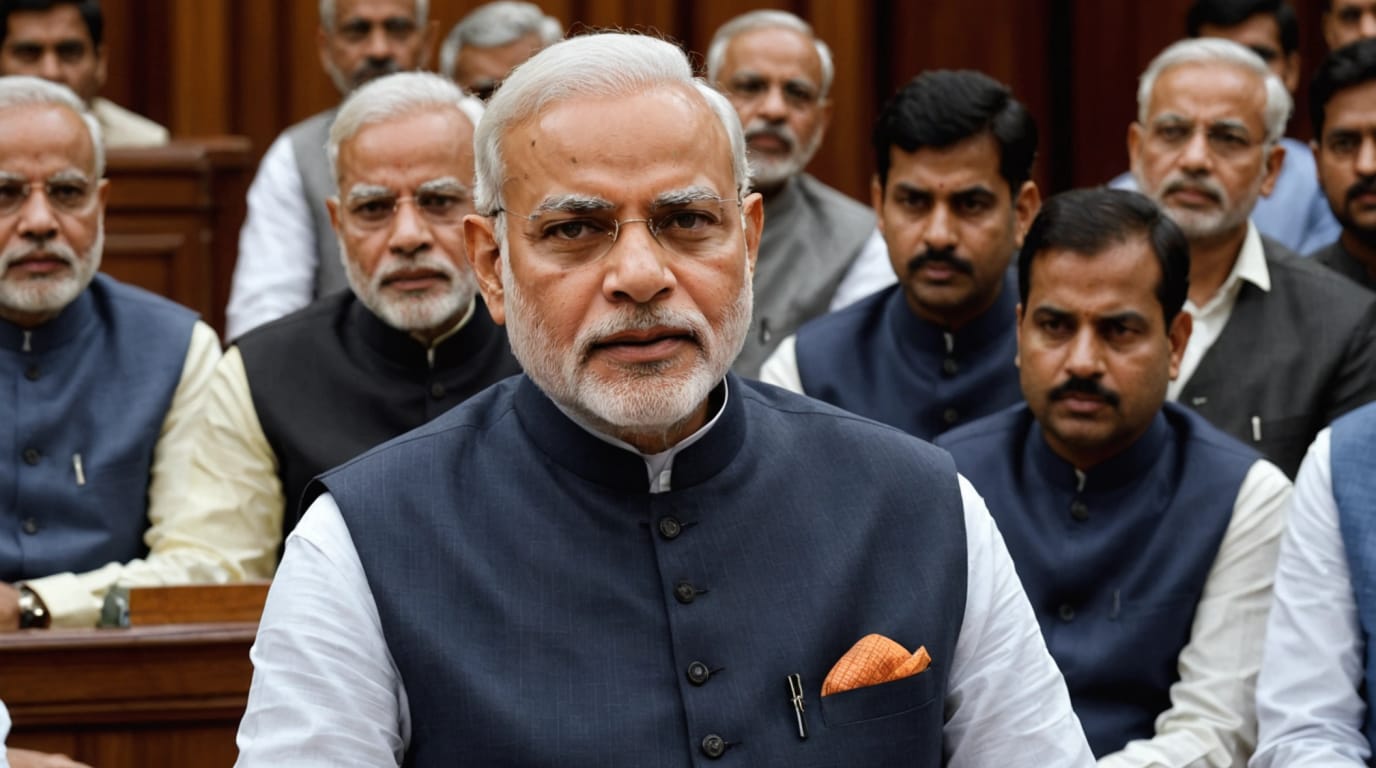
India's Parliament has passed a controversial bill amending laws governing Muslim land endowments, known as Waqf properties, igniting a nationwide debate over minority rights and government oversight. The bill, championed by Prime Minister Narendra Modi's Hindu nationalist government, aims to reform the management of these properties, valued at billions of dollars. While the government asserts the changes will promote transparency and combat corruption, critics fear the legislation could lead to the marginalization of Muslims and the potential confiscation of their land.
The Waqf (Amendment) Bill 2025, which amends the 1995 Waqf Act, was passed in the Lok Sabha (lower house) early Thursday with 288 members voting in favor and 232 against. The Rajya Sabha (upper house) subsequently approved the bill, paving the way for it to become law once President Droupadi Murmu grants her assent. The bill introduces several key changes, including the addition of non-Muslim members to Waqf boards and granting the government a more significant role in validating Waqf land holdings.
Government Claims Reform and Transparency
The Modi administration argues the amendments are necessary to address widespread corruption and mismanagement within Waqf institutions. They claim the changes will bring greater transparency and accountability to the management of Waqf properties, ultimately benefiting the Muslim community. Prime Minister Modi himself hailed the bill's passage as a "watershed moment" in the quest for socio-economic justice, particularly for marginalized groups within the Muslim community, including women and Pasmanda Muslims (backward and socially oppressed Muslims).
Supporters of the bill, like BJP MP Tejasvi Surya, contend that previous Waqf legislations, particularly those enacted by the Congress party, created a system that was "opaque, corrupt, and unaccountable." They argue the new law will correct these historical injustices and prevent Waqf boards from usurping land. Goa Chief Minister Pramod Sawant went so far as to say that with the bill's passage, "Bharat has won! The Constitution of Bharat has prevailed!"
Opposition Voices Concerns Over Minority Rights
The bill has faced strong opposition from Muslim groups and opposition parties, who view it as discriminatory and an infringement on the constitutional rights of Muslim citizens. They fear the legislation will erode the autonomy of Waqf boards and make Waqf properties more vulnerable to confiscation, disputes, and demolitions. Rahul Gandhi, a prominent opposition leader, described the bill as a "weapon aimed at marginalizing Muslims and usurping their personal laws and property rights," calling it an "attack on the Constitution."
The All India Muslim Personal Law Board (AIMPLB), a leading Muslim organization, has rejected the bill, calling it "discriminatory, communally motivated, and a blatant infringement on the constitutional rights of Muslim citizens." Kamal Farooqui, an AIMPLB official, questioned the fairness of the bill, asking if Muslims would receive similar representation on the boards of Hindu temples. Concerns have also been raised about the government's increased role in validating Waqf land holdings, with critics arguing this could lead to Muslims being unfairly stripped of their land.
Waqf Properties: A Historical and Economic Overview
Waqf properties are assets permanently donated by Muslims for religious or charitable purposes. These properties can include mosques, schools, graveyards, shops, and agricultural land. Waqf institutions play a significant role in the socio-economic life of the Muslim community, providing resources for education, healthcare, and poverty alleviation. The total value of Waqf properties in India is estimated to be over $14 billion, making their management a matter of considerable economic and political importance.
The 1995 Waqf Act was enacted to regulate the administration of these properties and prevent their misuse. The Act established Waqf boards at the state level to oversee the management of Waqf assets. However, these boards have often been plagued by allegations of corruption, mismanagement, and inefficiency, leading to calls for reform.
Implications and the Road Ahead
The passage of the Waqf (Amendment) Bill 2025 marks a significant turning point in the management of Muslim endowments in India. While the government claims the changes will bring greater transparency and accountability, critics fear the legislation could undermine the rights of the Muslim minority and lead to the erosion of their cultural and religious heritage. The bill is expected to face legal challenges in the courts, and its implementation will be closely watched by both supporters and opponents. The future of Waqf properties in India, and the communities they serve, hangs in the balance.


