Indians Trapped in Myanmar's Cyber Scam Nightmare: Lured by False Promises, Forced into Fraud
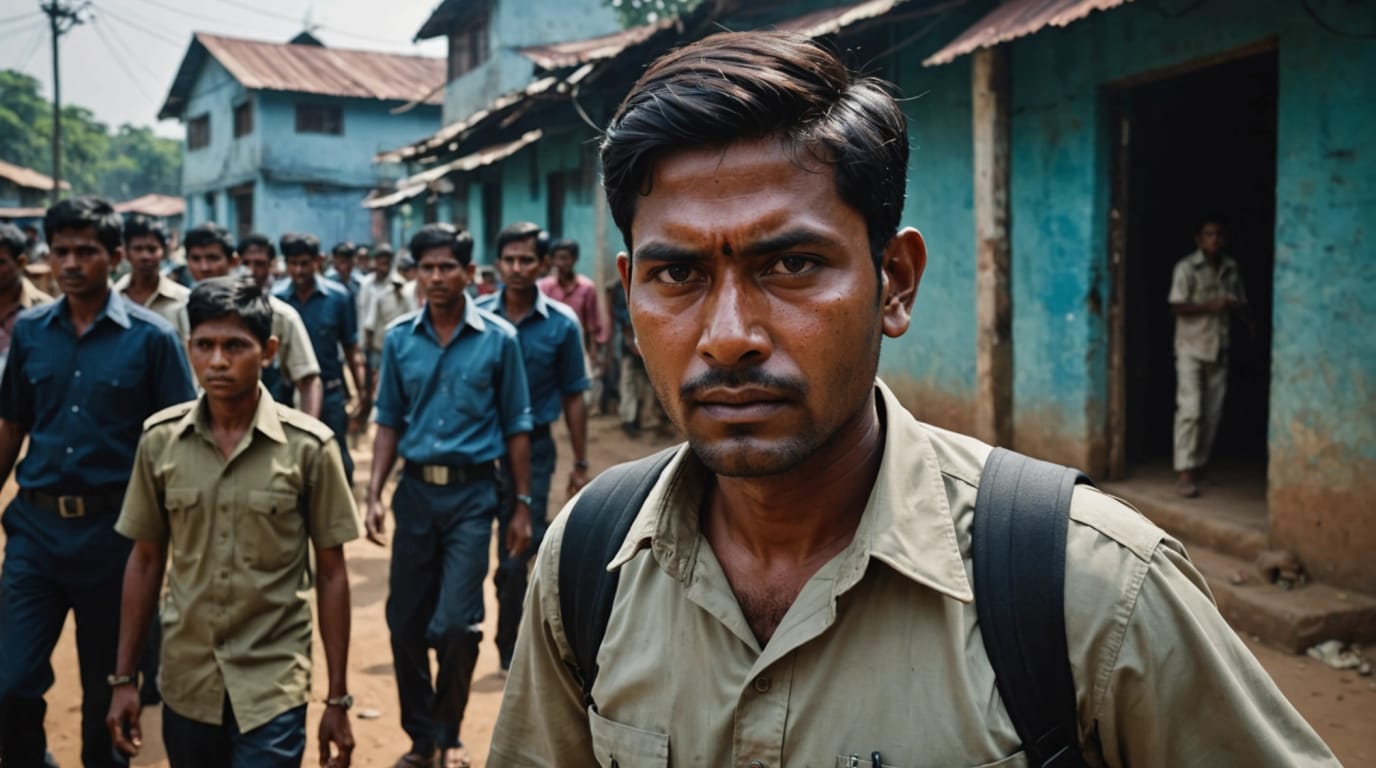
Thousands of Indian nationals have become victims of sophisticated cybercrime operations flourishing in the lawless regions of Myanmar, particularly in areas bordering Thailand. Lured by the promise of lucrative jobs, these individuals find themselves trapped in scam centers, coerced into perpetrating online fraud and facing dire conditions. The situation has sparked international concern, prompting rescue efforts and crackdowns, but the scale of the problem remains immense, with many Indians still stranded and vulnerable.
The Lure of False Promises
The deceptive recruitment process begins with enticing job advertisements on social media and online platforms, promising high salaries for IT-related positions in Southeast Asia. Agents, sometimes operating in Dubai, Bangkok, and even Indian cities, target young, ambitious individuals seeking better opportunities. Unsuspecting job seekers are then trafficked across borders, often illegally, into regions of Myanmar controlled by armed militia groups, where the grim reality of their situation unfolds.
Upon arrival, their passports are confiscated, and they are forced to work in sprawling scam compounds, often under the control of Chinese criminal syndicates. These compounds, such as the notorious KK Park in Myawaddy, have become hubs for online fraud, preying on victims across India, the United States, and beyond. The workers are given quotas and scripts to follow, compelling them to engage in various scams, including investment fraud, romance scams, and cryptocurrency schemes.
Coercion and Control
Life inside these cyber scam centers is characterized by coercion, control, and, in some cases, physical abuse. Victims recount instances of confinement, threats, and violence at the hands of their handlers. They are forced to work long hours, often with little or no pay, and are subjected to constant surveillance. Escape is nearly impossible, as the compounds are heavily guarded, and the surrounding areas are controlled by armed groups.
Those who fail to meet their targets or resist the demands of their captors face severe consequences, including physical punishment, বেতন cuts, or even being sold to other scam operations. The psychological toll is immense, as individuals are stripped of their freedom, forced to deceive others, and live in constant fear for their safety.
Rescue Efforts and Repatriation
The Indian government, along with international agencies and local authorities, has been working to rescue and repatriate Indian nationals trapped in these cyber scam centers. Consular officials in Myanmar and Thailand are coordinating efforts to identify victims, provide assistance, and facilitate their return home.
Recently, Myanmar's armed forces rescued approximately 70 Indians from KK Park and moved them to Mae Sot, a border town in Thailand, where Indian authorities are assisting with their repatriation. In a larger operation, over 1,000 foreign nationals, including Indians, were rescued from scam centers near the Thai border. As of late February 2025, at least 526 Indians were awaiting repatriation from the Myawaddy region.
However, the rescue process is complex and challenging. The Myawaddy area is largely inaccessible to Myanmar security forces, as it is controlled by opposition rebel forces. This necessitates approaching non-government stakeholders, which requires careful diplomacy to avoid jeopardizing relations with the Myanmar government.
The Scale of the Problem and Regional Dynamics
Despite rescue efforts, the number of Indians still trapped in Myanmar's cyber scam operations remains alarmingly high. Estimates suggest that around 2,000 Indians are currently involved in these activities in the Myawaddy region alone. While some have been rescued, many others are believed to be working voluntarily, either unaware of the dangers or enticed by the potential for financial gain.
The rise of Myanmar as a cyber scam hub is linked to the country's political instability, civil war, and weak governance. Organized crime groups, primarily from China, have exploited this environment to establish scam centers, taking advantage of the lack of law enforcement and the presence of armed militia groups.
These criminal networks operate across Southeast Asia, with similar scam centers flourishing in Cambodia and Laos. The Indian Cyber Crime Coordination Centre (I4C) has found links to China in many of these operations, noting that many web applications used in the scams are written in Mandarin.
International Response and Future Challenges
The international community is increasingly focused on combating cybercrime and human trafficking in Southeast Asia. Thailand, under pressure from global partners, has taken steps to crack down on scam operations along its border with Myanmar, including cutting off electricity, internet, and fuel supplies to key areas. China has also urged Thailand to clamp down on cross-border power supply networks supporting these syndicates.
However, experts warn that powerful vested interests on both sides of the border complicate efforts to shut down these operations. The criminal networks are highly adaptable and can easily relocate to new areas to evade law enforcement.
Moving forward, a multi-faceted approach is needed to address this crisis. This includes strengthening law enforcement cooperation, enhancing border security, raising awareness among potential victims, and addressing the underlying factors that contribute to human trafficking and cybercrime in the region. The Indian government has issued advisories warning about fake job rackets and urging job seekers to verify employment offers before traveling to Myanmar, Cambodia, Laos, and Thailand.
A Complex Web of Deceit and Despair
The plight of Indians trapped in Myanmar's cyber scam nightmare highlights the complex web of deceit, exploitation, and despair that exists in these lawless regions. While rescue efforts offer a glimmer of hope, the challenges are immense, and the road to recovery for these victims is long and arduous. As international pressure mounts and crackdowns intensify, it is crucial to address the root causes of this crisis and prevent further exploitation of vulnerable individuals seeking a better future.


