India's Democratic Tapestry Unfurls: Kerala, Assam, and Puducherry Cast Their Votes
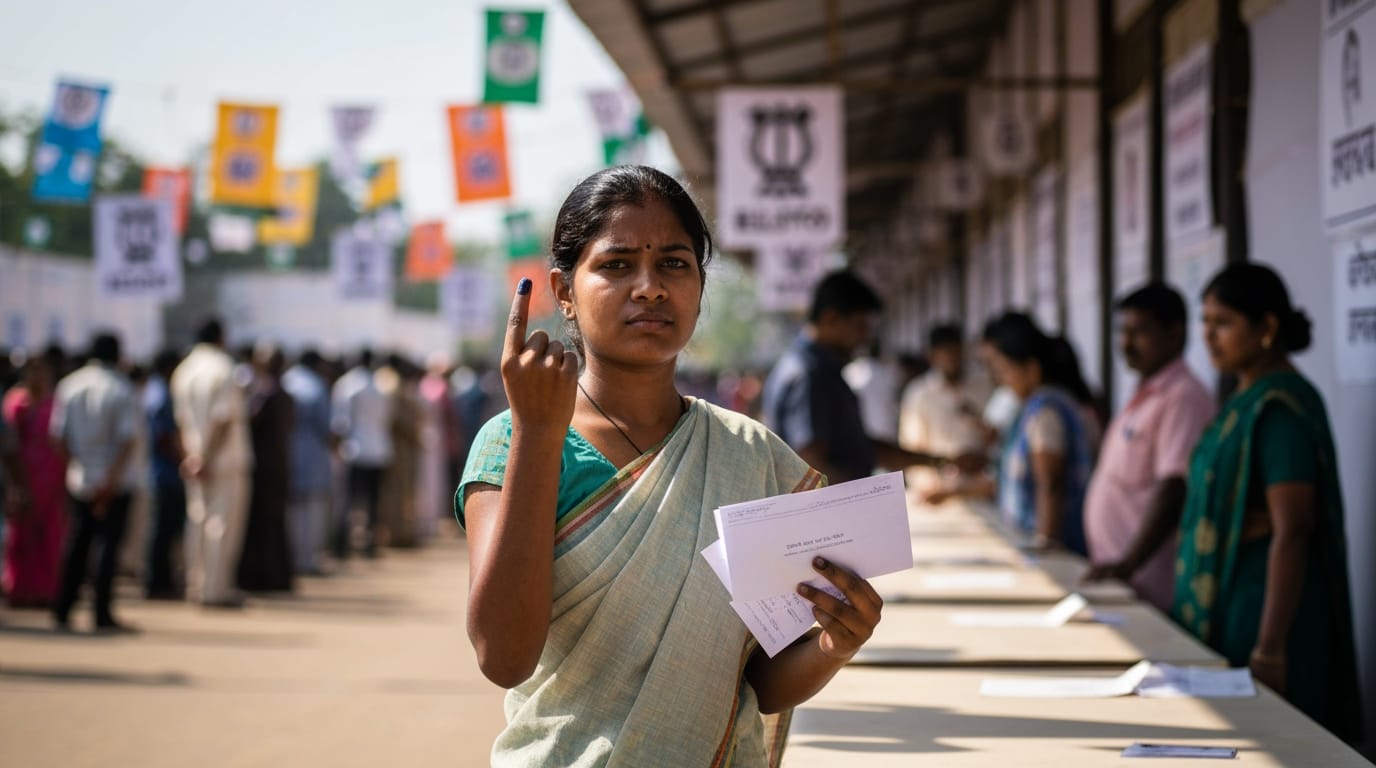
Millions of citizens across the diverse Indian states of Kerala, Assam, and the Union Territory of Puducherry exercised their democratic rights in a significant electoral exercise, shaping the political landscape of these regions. The polls, primarily conducted in April 2021, unfolded amidst rigorous COVID-19 protocols, underscoring the resilience of India's electoral machinery and its voters. These elections were not merely contests for power but represented a crucial juncture for regional politics, testing the incumbency in some areas and signaling potential shifts in others. The outcomes, declared on May 2, 2021, held profound implications for governance, development, and the aspirations of millions, reflecting the complex interplay of local issues, political alliances, and voter sentiment.
Kerala's Historic Mandate: Breaking the Jinx
Kerala, often characterized by its unique political rhythm of alternating governments, witnessed a historic deviation from this four-decade-old pattern. The state, with its 140 assembly constituencies, went to the polls in a single phase on April 6, 2021. The election saw a robust contest primarily between the ruling Left Democratic Front (LDF), led by the Communist Party of India (Marxist) (CPI(M)), and the United Democratic Front (UDF), headed by the Indian National Congress (INC). Key issues dominating the electoral discourse included the Sabarimala temple controversy, allegations of a gold smuggling scandal, as well as the incumbent government's focus on development initiatives and welfare measures.
The electorate's participation remained significant, with a voter turnout of approximately 77.94%. When the votes were tallied on May 2, 2021, the LDF secured a decisive victory, winning 99 seats and comfortably retaining power. The UDF managed to secure 41 seats. This result marked a significant achievement for Chief Minister Pinarayi Vijayan, who became the first chief minister in Kerala since 1977 to lead an alliance to consecutive terms. The BJP-led National Democratic Alliance (NDA), despite a spirited campaign, failed to secure any seats, losing the sole constituency it had won in the previous election. The mandate in Kerala underscored a public endorsement of the LDF's governance and crisis management during challenging times.
Assam's Affirmation: BJP-Led Alliance Secures Another Term
In the northeastern state of Assam, elections for its 126 assembly seats were conducted in three phases: March 27, April 1, and April 6, 2021. The electoral battle was primarily between the incumbent BJP-led National Democratic Alliance (NDA), which included the Asom Gana Parishad (AGP) and the United People's Party Liberal (UPPL), and the Congress-led 'Mahajot' (Grand Alliance), comprising parties like the All India United Democratic Front (AIUDF) and the Bodoland People's Front (BPF). Issues such as the Citizenship Amendment Act (CAA), the National Register of Citizens (NRC), flood management, and the protection of ethnic identity were central to the campaigns. Development initiatives also featured prominently in the political discourse.
Assam witnessed a high voter turnout of 82.42%, reflecting keen public interest in the state's future. On May 2, 2021, the results confirmed the BJP-led NDA's success in retaining power, securing 75 seats in total (BJP winning 60, AGP 9, and UPPL 6). This outcome was notable as it marked the first instance of a non-Indian National Congress alliance achieving consecutive terms in the state. The Mahajot, despite its efforts, secured 50 seats (Congress 29, AIUDF 16, BPF 4, CPI(M) 1). Following the victory, Himanta Biswa Sarma assumed the role of Chief Minister, leading the state into its next legislative term. The verdict indicated a continued trust in the BJP's regional agenda and its alliance partners.
Puducherry's Political Turn: A New Alliance at the Helm
The Union Territory of Puducherry, with its 30 assembly constituencies, also held its elections in a single phase on April 6, 2021. The election took place against a backdrop of recent political instability, including the imposition of President's Rule shortly before the polls, following the collapse of the V. Narayanasamy-led Congress government. The primary contenders were the NDA, comprising the All India N.R. Congress (AINRC), the Bharatiya Janata Party (BJP), and the All India Anna Dravida Munnetra Kazhagam (AIADMK), against the United Progressive Alliance (UPA), which included the Congress and the Dravida Munnetra Kazhagam (DMK). Key local issues revolved around governance stability, demands for statehood, and the allocation of central funds.
Puducherry recorded a voter turnout of approximately 81.7%, showcasing active civic participation despite the political flux. The results, announced on May 2, 2021, saw the NDA secure a simple majority, winning 16 seats. The AINRC emerged as the single-largest party within the alliance with 10 seats, while the BJP secured 6. The UPA won 8 seats (DMK 6, INC 2), and independent candidates surprisingly claimed 6 seats. N. Rangaswamy of the AINRC was sworn in as Chief Minister for the fourth time, forming a coalition government with the BJP. This election marked a significant political transition for Puducherry, bringing a new alliance to power.
A Concluding Chapter in Regional Politics
The synchronized electoral exercises in Kerala, Assam, and Puducherry in April 2021 served as a vibrant testament to India's enduring democratic spirit. Despite the challenges posed by the prevailing global health crisis, voters turned out in large numbers, adhering to safety protocols, to elect their representatives. The results, declared concurrently, brought forth a mix of continuity and change. Kerala defied historical trends by re-electing its incumbent LDF government, while Assam reaffirmed its trust in the BJP-led alliance for a second consecutive term. Puducherry witnessed a decisive shift, with the NDA forming the government after a period of political uncertainty. These outcomes not only determined the immediate future of these regions but also offered crucial insights into the evolving political preferences, regional dynamics, and the pressing concerns of the diverse Indian electorate. The successful conclusion of these elections underscored the robustness of India's democratic institutions in facilitating peaceful transitions and reaffirming the power of the ballot.


