India's Multi-Alignment Diplomacy Under Duress as Iran Conflict Escalates
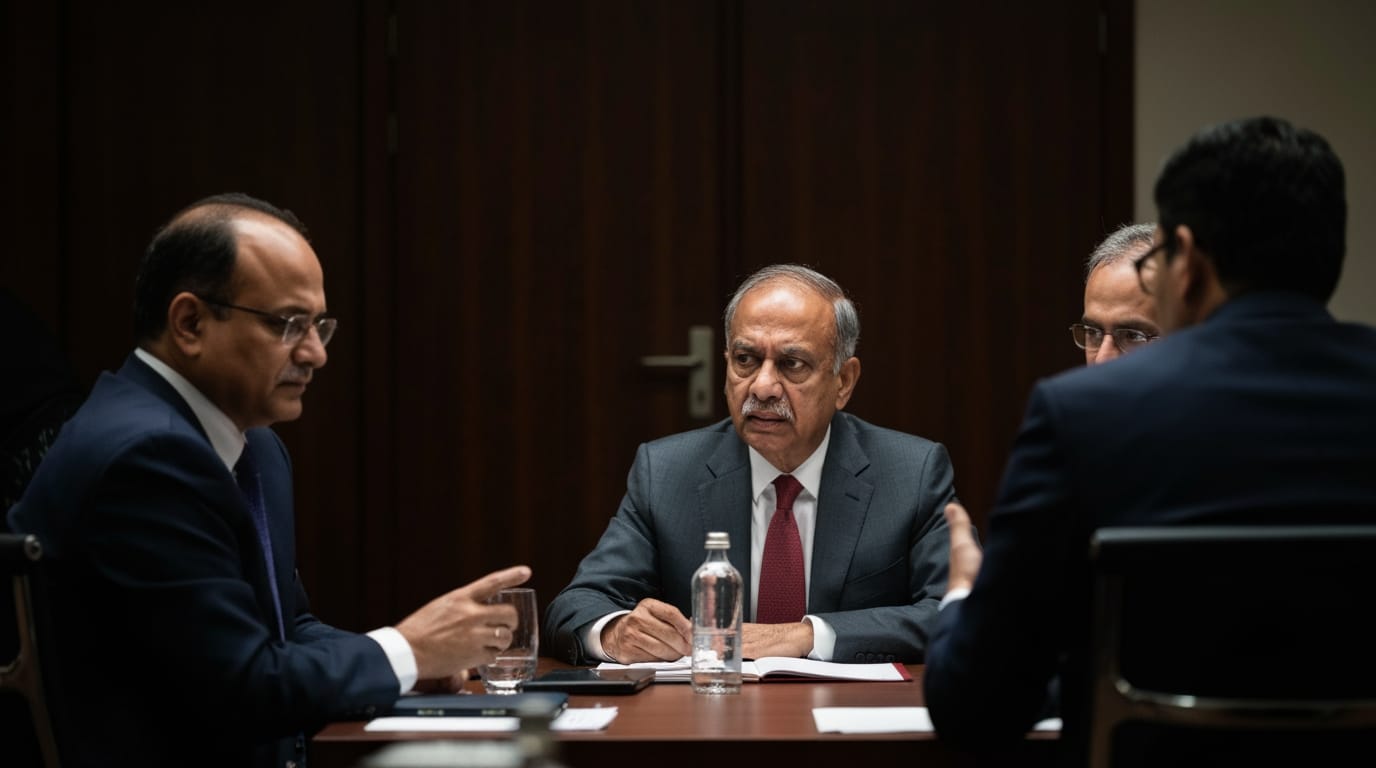
New Delhi, India – India's meticulously crafted foreign policy of multi-alignment faces its most formidable test yet as a new conflict erupts in the Middle East following U.S. and Israeli airstrikes on Iran in late February 2026. This escalation plunges an already volatile region into deeper instability, compelling New Delhi to navigate a complex geopolitical landscape fraught with economic peril and diplomatic tightropes. While India strives to maintain strategic autonomy and cultivate diverse partnerships, the immediate and far-reaching implications of the "Iran war" threaten its energy security, vital trade routes, and the well-being of its vast diaspora, challenging the very essence of its balanced diplomatic approach.
The Evolving Doctrine of Multi-Alignment
For decades, India has championed a foreign policy rooted in strategic autonomy, a concept that has evolved from its Cold War non-alignment to a more pragmatic "multi-alignment" in the 21st century. This doctrine emphasizes cultivating robust, parallel relationships with various global and regional powers—including the United States, Russia, the Gulf monarchies, Israel, and Iran—without committing to exclusive blocs. The objective is to maximize India's strategic space and protect its national interests across a spectrum of issues, from trade and technology to defense and energy. This approach has allowed India to engage with seemingly disparate actors, seeking common ground while carefully sidestepping entanglement in their rivalries. This flexibility is a hallmark of India's current diplomatic strategy, enabling it to pursue independent foreign policy objectives while fostering global partnerships.
The Fire in the Gulf: A New Regional Conflict
The current crisis ignited on February 28, 2026, when the United States and Israel launched airstrikes on Iranian targets, marking a dangerous escalation in regional tensions. This initial offensive was met with retaliatory actions from Iran, including missile strikes and the subsequent closure or severe disruption of the critical Strait of Hormuz, a vital chokepoint for global oil shipments. As the conflict unfolded, global markets reacted sharply, with rising oil prices and concerns over maritime security in the Persian Gulf. India's immediate response has been one of cautious neutrality, expressing deep concern and urging restraint from all parties while calling for a ceasefire. However, this neutral stance has drawn domestic criticism, particularly from opposition parties, who questioned Prime Minister Narendra Modi's visit to Israel just days before the strikes and the government's perceived failure to explicitly condemn the U.S.-Israeli actions. India has affirmed its commitment to maintaining open channels with every actor involved, underscoring its continuous diplomatic engagement in the region.
India's Vulnerable Underbelly: Energy, Economy, and Diaspora
The ongoing conflict poses significant and immediate threats to India's core interests. India is heavily reliant on crude oil imports, sourcing approximately 88 percent of its needs from abroad, with nearly 60 percent originating from the Gulf region. Any sustained disruption to shipping through the Strait of Hormuz, through which a substantial portion of global energy flows, directly jeopardizes India's energy security and can trigger severe economic repercussions. Analysts estimate that every $10 rise in crude oil prices could increase India's import bill by over $10 billion, significantly widening its current account deficit. India has already sought waivers on Russian oil imports to manage energy supply constraints exacerbated by the Middle East tensions.
Beyond energy, India holds substantial strategic and economic investments in Iran, most notably the Chabahar Port. This port is a critical gateway for India to access Afghanistan and Central Asia, offering a strategic bypass around Pakistan. A 10-year agreement for the operation of the Shahid Beheshti terminal at Chabahar was signed in May 2024, marking India's first long-term overseas port management deal. The instability and potential for expanded sanctions threaten the viability and returns on this crucial investment.
Furthermore, the safety and welfare of the nearly 10 million Indian expatriates residing and working across the Gulf countries represent a paramount concern for New Delhi. These individuals contribute billions in remittances, forming a vital economic link, and their evacuation or safeguarding in the event of widespread conflict would be an immense logistical and humanitarian challenge.
The Diplomatic Tightrope: Balancing Competing Interests
The "Iran war" is forcing India to perform a delicate diplomatic balancing act. New Delhi shares deepening strategic and defense partnerships with both the United States and Israel, encompassing cooperation in defense technology, intelligence, and cybersecurity. Prime Minister Modi's recent visit to Israel, coinciding with the brink of conflict, highlighted the strength of these ties. However, India also maintains long-standing civilizational, energy, and connectivity ties with Iran, a nation critical for its access to Afghanistan and Central Asia.
This intricate web of relationships means that every diplomatic statement and action by India is scrutinized by all parties involved. India's multi-alignment strategy is now under immense pressure, particularly within multilateral forums like BRICS, where Iran is a fellow member. As the current chair of BRICS, India faces the challenge of managing Iran's expected demands for support against U.S. pressure, while simultaneously engaging with other BRICS members, including the United Arab Emirates, which finds itself at odds with Iran over the conflict. The ability of India to navigate these internal divergences within BRICS while upholding its broader foreign policy objectives remains a significant test.
Conclusion
The escalating conflict involving Iran presents a profound and unprecedented test for India's multi-alignment diplomacy. New Delhi's commitment to strategic autonomy is being challenged by the imperative to safeguard its vital economic interests, ensure the security of its citizens abroad, and preserve its carefully cultivated diplomatic space amidst intensifying global rivalries. The effectiveness of India's foreign policy will be measured by its capacity to de-escalate tensions, protect its supply chains, and maintain balanced relationships with all major regional and global powers. As the situation in the Middle East continues to evolve, India's measured approach, focused on dialogue and pragmatic engagement, will be crucial in steering its national interests through these turbulent geopolitical waters, reaffirming its role as a responsible global stakeholder rather than a partisan actor.


