India's Parliament Grapples with Historic Motion to Remove Lok Sabha Speaker
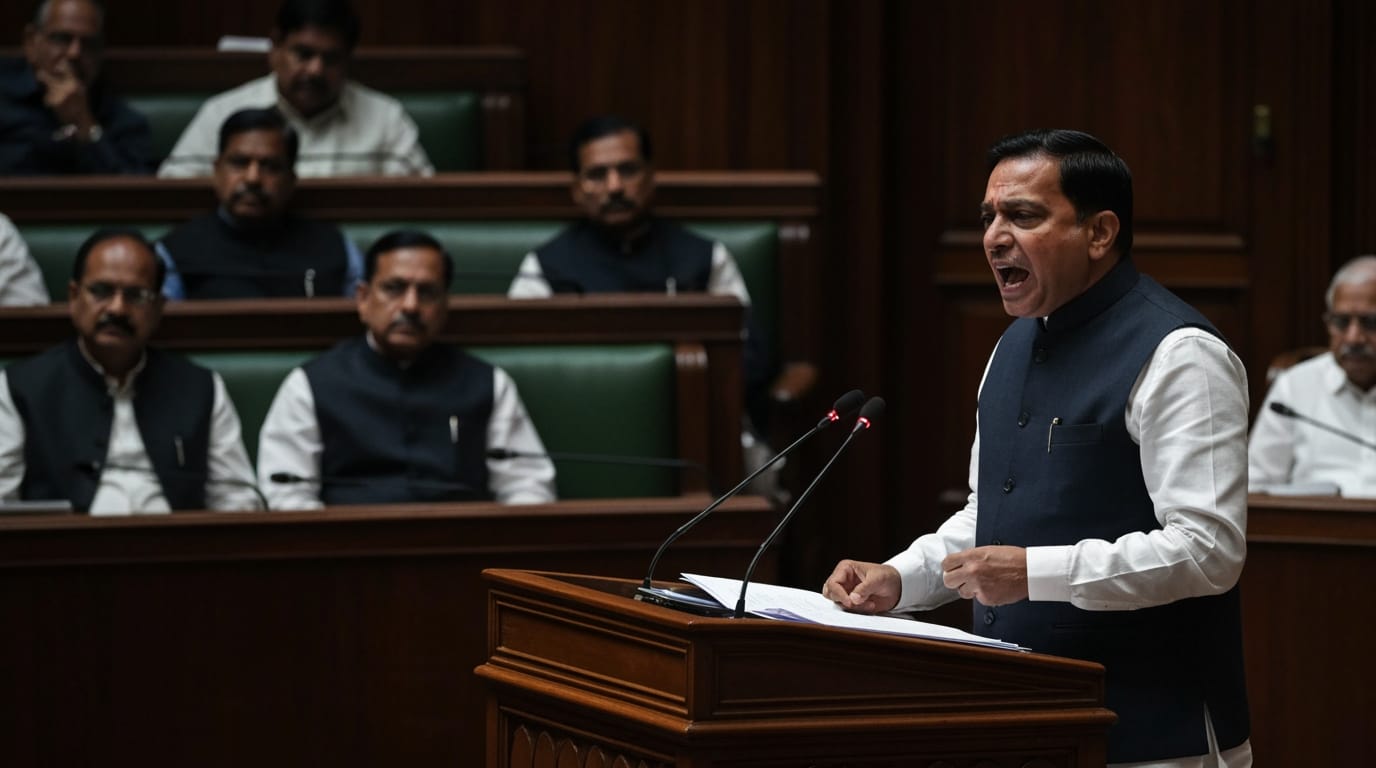
NEW DELHI — India's parliamentary landscape is witnessing a rare and significant event as the Lok Sabha has formally admitted a motion seeking the removal of its current Speaker, Om Birla. This development, spearheaded by opposition parties, marks only the fourth such instance in the nation's parliamentary history, highlighting heightened political tensions and intense debate over the impartiality of the presiding officer. The move has brought to the forefront constitutional provisions governing the Speaker's office and sparked a vigorous exchange between the ruling coalition and the opposition.
The resolution to remove Speaker Om Birla was formally admitted on March 10, 2026, following a notice reportedly signed by over 100 Members of Parliament (MPs) from various opposition parties, including the Indian National Congress. The primary allegations underpinning this motion revolve around what the opposition describes as "partisan conduct," biased management of House proceedings, and a perceived failure to uphold the neutrality expected of the Speaker's office. Specific grievances cited include the alleged denial of permission for the Leader of the Opposition, Rahul Gandhi, and other opposition leaders to articulate their views, as well as assertions of "unwarranted allegations" being leveled against women MPs. Some opposition members have also pointed to the unprecedented suspension of over 100 opposition MPs during Speaker Birla's tenure as evidence of his alleged bias.
The process for removing a Lok Sabha Speaker is meticulously outlined in the Indian Constitution and parliamentary rules, underscoring the gravity of such an action. Article 94(c) of the Constitution stipulates that the Speaker may be removed by a resolution passed by an "effective majority" of all the then members of the House. This "effective majority" refers to a majority of the total membership of the House, excluding vacant seats, rather than simply a majority of those present and voting. Procedural requirements, governed by Rules 200-203 of the Rules of Procedure and Conduct of Business in Lok Sabha, mandate a minimum of 14 days' written notice to the Secretary-General of the Lok Sabha before such a resolution can be moved. For the motion to be admitted for discussion, at least 50 members must rise in support within the House. A significant procedural aspect of this debate is that the Speaker cannot preside over the House proceedings while a resolution for their own removal is under consideration. Instead, the Deputy Speaker or a member from the panel of chairpersons assumes the chair. The current absence of an elected Deputy Speaker has added another layer of complexity, with a senior member from the panel of chairpersons now presiding over this critical debate.
Historically, attempts to remove a Lok Sabha Speaker have been exceedingly rare, and none have ever succeeded. Prior to the current motion against Om Birla, only three other Speakers have faced such resolutions: G.V. Mavalankar in 1954, Hukam Singh in 1966, and Balram Jakhar in 1987. In each of these past instances, the motions were ultimately defeated, reinforcing the high threshold and political challenge associated with unseating the presiding officer. The 1954 motion against India's first Speaker, G.V. Mavalankar, for instance, stemmed from allegations of his refusal to admit adjournment motions from the opposition. Prime Minister Jawaharlal Nehru, while acknowledging the opposition's right to move such a motion, emphasized that a Speaker's removal should only occur under "extremely grave circumstances" to preserve the office's dignity and independence. These historical precedents underscore the constitutional design to insulate the Speaker's office from routine political pressures and maintain its stability.
The current debate is unfolding against a backdrop of deep political polarization. The opposition views this motion as a crucial endeavor to reinforce parliamentary accountability and protect the institutional neutrality of the Speaker's office, arguing that it is their "dharma and duty to protect the decorum and dignity of this House." Conversely, the ruling party has vehemently defended Speaker Birla, asserting that he has conducted the House impartially and accusing the opposition of bringing the resolution purely for political interests, describing it as an "attack on democracy itself." Parliamentary Affairs Minister Kiren Rijiju highlighted that despite the government's larger number of MPs, Speaker Birla has provided more opportunities to opposition parties. Political analysts anticipate that, given the ruling coalition's numerical strength in the Lok Sabha, the motion is likely to be defeated. However, the very act of debating such a resolution serves as a significant mechanism for the opposition to voice its dissent, scrutinize the functioning of the House, and document alleged instances of suppression of parliamentary debate, which some characterize as "weaponizing the microphone." The outcome, regardless of the vote, is poised to have lasting implications for the working relationship between the Speaker and the opposition, potentially shaping the tenor of parliamentary proceedings for the remainder of the session.
The debate surrounding the motion to remove Lok Sabha Speaker Om Birla transcends immediate political calculations, striking at the core of parliamentary democracy in India. While the practical success of such a motion remains an uphill battle given historical precedents and current parliamentary arithmetic, its significance lies in its capacity to spark a vital discussion on the impartiality of the Speaker's office, parliamentary decorum, and the rights of the opposition. The extensive deliberation, the constitutional safeguards invoked, and the political accusations traded in the House collectively underscore the robust, albeit often contentious, nature of India's democratic institutions. This historic parliamentary event, irrespective of its final outcome, will undoubtedly contribute to the ongoing narrative of checks and balances within the Indian legislative framework, shaping perceptions of accountability and fairness in the nation's highest legislative body.


