India's Skies Snarled: IndiGo Cancellations Enter Fourth Day, Stranding Thousands Amid Pilot Shortage
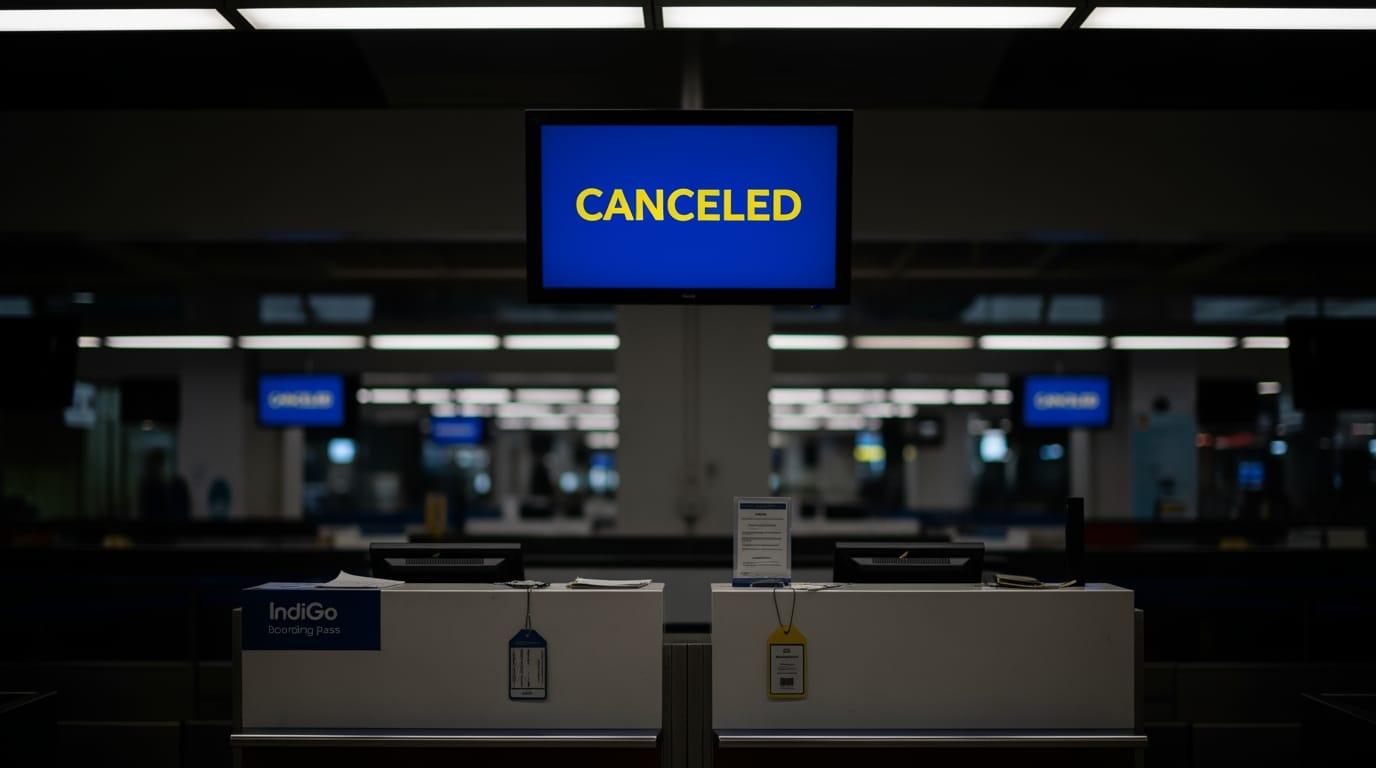
New Delhi, India – India's largest airline, IndiGo, has entered its fourth consecutive day of widespread flight cancellations and significant delays, severely disrupting air travel across the nation. The ongoing operational meltdown, primarily attributed to an acute pilot shortage exacerbated by new regulatory mandates on flight duty time limitations (FDTL), has left thousands of passengers stranded at major airports, battling soaring airfares and considerable uncertainty. Aviation authorities have stepped in, granting temporary exemptions to the airline in a bid to stabilize the chaotic situation, but a full return to normalcy remains weeks, if not months, away.
Crisis Unfolds: Hundreds of Flights Grounded Daily
The operational turmoil began around December 2, quickly escalating to unprecedented levels. Over the past four days, more than 1,000 IndiGo flights have been cancelled, with over 750 flights scrubbed on Friday alone, following more than 550 cancellations on Thursday. Major aviation hubs such as Delhi, Mumbai, Bengaluru, and Hyderabad have borne the brunt of the disruption, witnessing crowded terminals and long queues as travelers grapple with sudden changes to their plans. IndiGo, which commands over 60% of India's domestic aviation market, acknowledged "significant disruptions" across its network, initially citing a confluence of factors including minor technology glitches, winter schedule adjustments, adverse weather conditions, increased congestion in the aviation system, and the implementation of updated crew rostering rules. However, the scale and persistence of the cancellations quickly pointed to a more systemic issue within the airline's operations. The airline's on-time performance plummeted to a mere 8.5% on Friday, a sharp decline from 84.1% in October, underscoring the severity of the crisis.
Pilot Shortage: The Crux of the Problem
At the heart of IndiGo's operational paralysis lies a critical shortage of pilots, triggered by the full implementation of stricter Flight Duty Time Limitations (FDTL) norms by the Directorate General of Civil Aviation (DGCA). These new rules, designed to combat pilot fatigue and enhance safety, came into full effect on November 1, 2025, following a Delhi High Court mandate. Key changes include an increase in mandatory weekly rest for pilots from 36 to 48 hours and a reduction in permissible night landings from six to just two per pilot per week.
The Federation of Indian Pilots (FIP) has strongly criticized IndiGo's staffing strategy, alleging that the airline failed to adequately prepare for these updated norms despite having a two-year window. The pilots' body indicated that IndiGo pursued a "lean manpower" approach and imposed a prolonged hiring freeze across various departments, particularly in flight operations. This alleged oversight left the airline without sufficient buffer crew once the new fatigue rules became operational, leading to a critical imbalance between its flight schedule and available pilot strength. IndiGo itself admitted that the chaos stemmed from "misjudgement and planning gaps" in implementing the second phase of the new pilot rest rules. The airline required 2,422 captains but only had 2,357, illustrating the deficit.
A Nightmare for Travelers: Soaring Fares and Emotional Distress
The ripple effects of IndiGo's cancellations have been profound for passengers. Thousands have found themselves stranded, missing crucial connections, important events, and even work commitments. Reports from major airports depict scenes of frustration, with passengers facing long waits, a lack of clear communication, and often minimal staff support at help desks. Many were unaware of cancellations until arriving at the airport, while others struggled to rebook or secure refunds.
The disruption has not only caused logistical nightmares but also placed a significant financial burden on travelers. With a large portion of IndiGo's capacity suddenly removed, airfares on alternative flights and other airlines surged dramatically, in some cases increasing two to five times their usual levels on busy metro routes. Passengers who had purchased discounted tickets months in advance were forced to pay exorbitant prices for last-minute bookings. The human cost of the crisis was evident in viral videos showing distressed passengers, including one who pleaded, "Someone please tell my boss not to fire me," highlighting the real-world consequences of the widespread delays. International routes, including flights to and from the UAE, also experienced significant delays and rescheduling.
Regulatory Scrutiny and Temporary Relief Measures
In response to the escalating crisis, the Directorate General of Civil Aviation (DGCA) quickly intervened, summoning IndiGo's senior management to discuss the situation and outline a mitigation plan. The Civil Aviation Ministry also initiated a high-level inquiry into the service disruptions. Acknowledging the severe operational challenges, the DGCA granted IndiGo a one-time exemption from certain pilot night duty rules and withdrew the restriction that prevented airlines from counting pilot leave as weekly rest. These temporary relaxations aim to provide IndiGo with immediate breathing room to re-roster its crew and stabilize operations.
IndiGo has requested operational variations or exemptions from specific FDTL provisions for its A320 fleet until February 10, 2026, assuring the DGCA that normal and stable operations will be fully restored by that date. The airline has also committed to providing automatic refunds, full waivers on cancellations and rescheduling for bookings between December 5–15, and assistance such as hotel rooms, transport, and food for affected passengers. The DGCA has asked IndiGo to submit a detailed roadmap for full compliance within 30 days and provide crew utilization reports every 15 days.
Broader Implications for India's Aviation Sector
The IndiGo crisis has starkly illuminated the vulnerabilities within India's rapidly expanding aviation sector, particularly the challenges posed by a duopoly dominated by IndiGo and Air India. With India poised to become the world's third-largest aviation market, the reliance on a few major players means that operational issues with one airline can have a cascading effect across the entire country's air travel system.
Industry experts suggest that infrastructure strain, high fuel costs, and saturated slots at major airports contribute to a fragile system with limited buffers to absorb shocks. The disruptions emphasize the urgent need for airlines to prioritize robust resource planning, especially in crew management, to keep pace with growth and regulatory changes. The DGCA has also appealed to pilot bodies for cooperation, recognizing that upcoming peak travel periods, winter fog, and the wedding rush could further strain operations.
As IndiGo works towards restoring its schedule, the current disruptions serve as a critical reminder for the entire industry to ensure that growth is matched by meticulous planning, sufficient crew strength, and resilient operational frameworks to safeguard passenger experience and maintain the integrity of India's skies. The road to full recovery for IndiGo is anticipated to extend until early next year, leaving many to wonder about the long-term lessons learned from this unprecedented aviation snarl.


