IndiGo Flight Declares Full Emergency in Chennai After Engine Failure
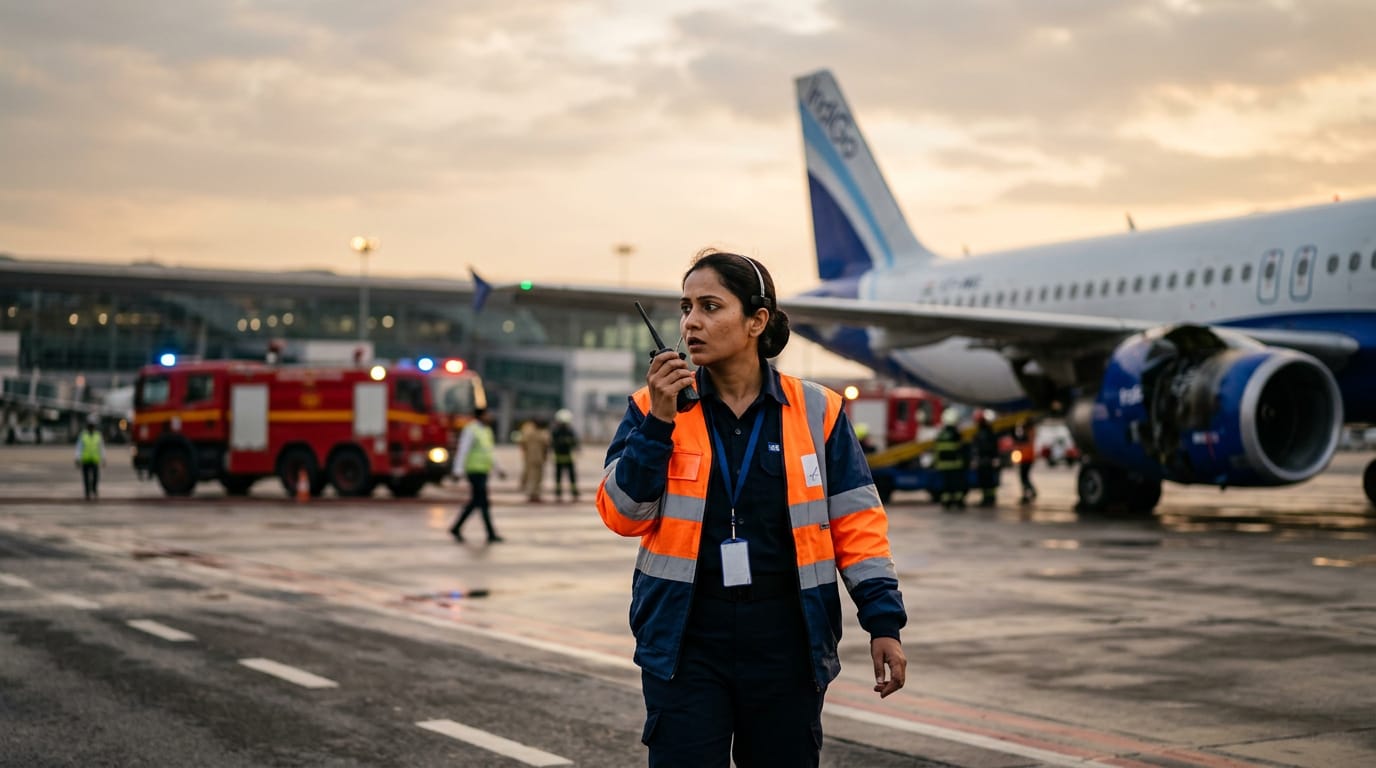
Chennai, India – An IndiGo Airbus A320 carrying 224 passengers and crew declared a full emergency at Chennai International Airport late Tuesday night after experiencing a left-engine failure and a reported oil leak shortly before landing. The flight, 6E-723, originating from Kolkata, managed a safe landing at approximately 11:37 p.m. on August 11, averting a potentially catastrophic situation and ensuring the safety of all individuals on board.
The incident prompted a rapid and coordinated response from airport authorities, with emergency services mobilized to Runway 25 as the aircraft approached. The successful handling of the emergency underscores the critical role of pilot training, air traffic control protocols, and airport preparedness in managing airborne technical malfunctions. Aviation authorities, including the Directorate General of Civil Aviation (DGCA), have launched an investigation into the matter to determine the root cause of the engine malfunction.
The Emergency Unfolds
IndiGo Flight 6E-723 was on its final approach to Chennai, with its scheduled arrival time around 11:30 p.m.. At approximately 11:29 p.m., the pilot detected a critical issue with the aircraft's left engine, including a reported oil leak, and promptly notified Chennai Air Traffic Control (ATC). This immediate communication triggered the declaration of a "full emergency" at the airport, a standard procedure when an aircraft faces a significant technical problem that could jeopardize its landing.
The declaration initiated a chain of predefined emergency response actions. Fire tenders, medical teams, and other essential personnel were strategically deployed along Runway 25, ready to respond to any eventuality. The minutes that followed were tense, as ground crews watched the distressed aircraft make its final descent. Despite the severe technical snag, the flight crew demonstrated exceptional skill in bringing the aircraft down safely.
A Calm Landing Amidst High Alert
The aircraft touched down on Runway 25 at 11:37 p.m., just seven minutes after the emergency declaration. Reports confirmed that the landing was safe, with no injuries to any of the 224 people on board. Passengers, though undoubtedly shaken by the experience, were safely deplaned following the successful landing. The full emergency status was officially withdrawn at 11:47 p.m., signifying that the immediate threat had passed and normal airport operations could continue without disruption.
Airport authorities commended the swift and efficient coordination between the flight crew and ground teams, highlighting the effectiveness of the established emergency protocols. Such incidents, while rare, serve as critical tests of an airport's preparedness and an airline's operational safety standards. The safe resolution of this emergency is a testament to the rigorous training and procedures in place within India's aviation sector.
Recurring Concerns and Investigations
This incident is not an isolated one for IndiGo or the broader Indian aviation landscape. The Directorate General of Civil Aviation (DGCA) has launched a probe into the left-engine failure, aiming to ascertain the precise cause and implement corrective measures to prevent recurrence. Engine malfunctions, particularly those involving critical components like oil systems, are serious concerns that demand thorough investigation.
For context, in October 2022, an IndiGo flight (6E-2131) from Delhi to Bengaluru had to abort its take-off after one of its engines caught fire on the runway. That incident, involving 184 people, also saw a successful evacuation and subsequent investigation by the DGCA. While the nature of the incidents differs – one during take-off with a fire, the other during landing with engine failure and oil leak – both underscore ongoing challenges with aircraft maintenance and engine reliability that regulatory bodies and airlines must continually address. Global supply chain issues have, in the past, reportedly led to delays in sourcing replacement engines and components, potentially exacerbating such problems.
Ensuring Future Air Safety
The incident at Chennai airport serves as a potent reminder of the complexities and inherent risks of air travel, even as it highlights the robust safety mechanisms designed to mitigate them. The DGCA's investigation will delve into maintenance records, flight data recorders, cockpit voice recorders, and interviews with the flight crew to reconstruct the events leading to the engine failure. The findings will be crucial for reinforcing safety standards and potentially issuing new directives for aircraft operation and maintenance.
For the traveling public, the safe landing offers reassurance regarding the capabilities of flight crews and emergency responders. However, the repeated occurrences of engine-related issues with Indian carriers necessitate sustained scrutiny and proactive measures from both airlines and regulatory bodies to uphold the highest levels of aviation safety. The focus remains on learning from such events to ensure that future flights continue to be among the safest modes of transport.


