Indonesia Poised to Deploy Thousands of Troops to Gaza in Humanitarian Mission
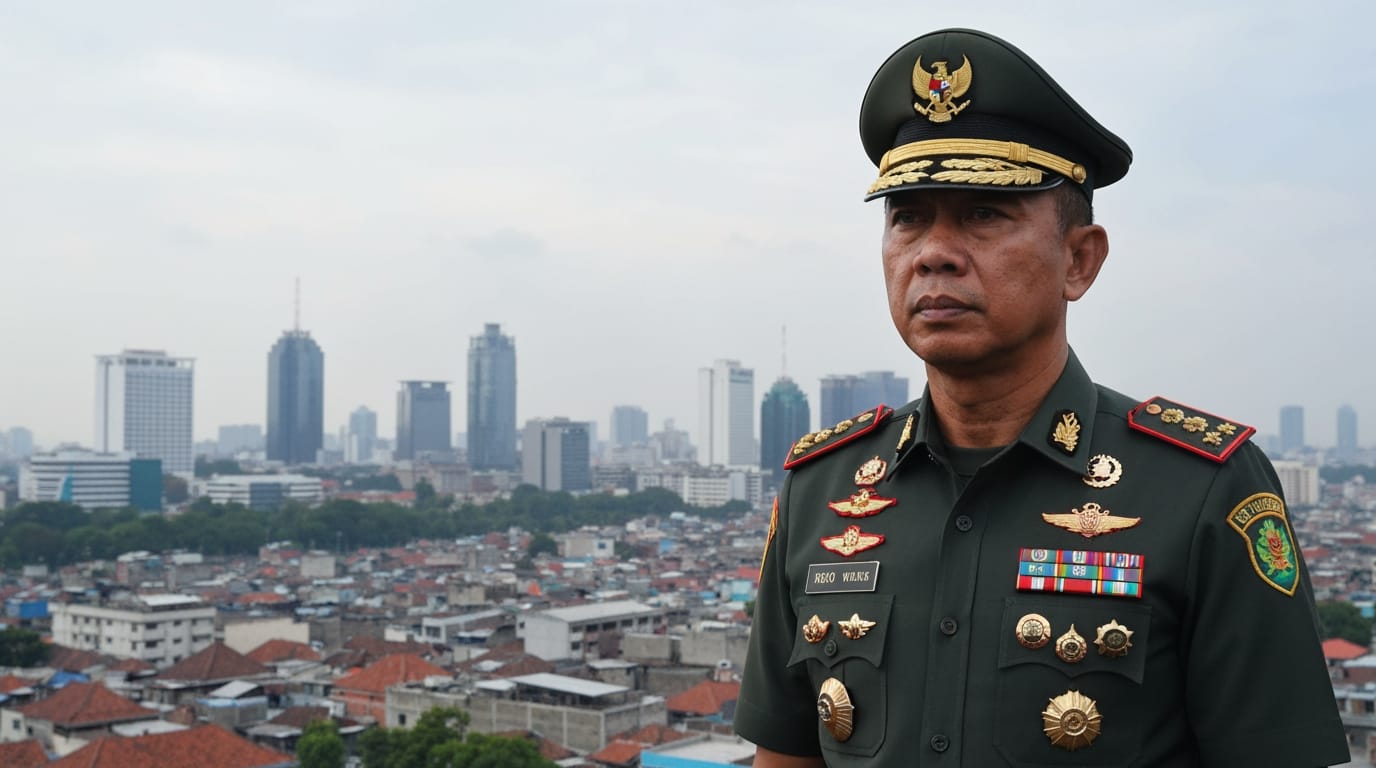
JAKARTA – Indonesia is set to make a historic commitment to the stabilization of Gaza, announcing preparations to deploy thousands of its military personnel as part of an international peacekeeping force. This unprecedented move, which sees the world's most populous Muslim-majority nation stepping onto the complex stage of the Israeli-Palestinian conflict, underscores a deeply rooted solidarity with Palestine and a strategic effort to elevate Indonesia's global diplomatic standing. The deployment, anticipated to commence with an initial contingent by April, marks a significant development in the post-conflict landscape of the war-torn enclave.
A Concrete Pledge Amidst Global Uncertainty
Indonesia's military leadership has confirmed readiness to dispatch between 5,000 and 8,000 troops to Gaza by June, with a first wave of approximately 1,000 personnel prepared for deployment as early as April. This commitment represents the first firm pledge of ground troops to the International Stabilization Force (ISF), a critical component of the US-led peace plan for Gaza. The ISF, which envisions overseeing security as Israeli forces gradually withdraw, operates under the ambit of a UN Security Council Resolution (Resolution 2803, adopted November 17, 2025) and is overseen by a US-initiated "Board of Peace."
The Indonesian contingent's mandate is explicitly humanitarian and non-combatant. Their role will primarily focus on civilian protection, medical aid, reconstruction efforts, and training for Palestinian police forces. Indonesian officials have been clear that their troops will not engage in combat operations or participate in efforts to disarm armed groups. This distinction is crucial, as the broader ISF mandate reportedly includes "demilitarizing the Gaza Strip" and "permanent decommissioning of weapons from non-state armed groups," a point of contention given Hamas's refusal to disarm. Indonesia's Foreign Ministry has emphasized that its military's participation should not be misconstrued as a normalization of political relations with Israel, a nation Jakarta does not formally recognize. Furthermore, Indonesia has secured the consent of Palestinian representatives for this humanitarian-focused mission, a prerequisite for its involvement.
Historical Bonds and Evolving Diplomacy
Indonesia's steadfast support for the Palestinian cause is deeply ingrained in its national identity and foreign policy. Rooted in principles of anti-colonialism and historical solidarity, Jakarta has consistently championed Palestinian independence since its own struggle for freedom. Palestine itself provided crucial moral support to Indonesia's independence movement in 1944. As a result, Indonesia has never established diplomatic relations with Israel and remains a vocal advocate for a two-state solution in international forums like the United Nations and the Organization of Islamic Cooperation.
This long-standing solidarity is not merely governmental. Pro-Palestinian sentiment is widespread and deeply emotive among the Indonesian public, with massive interfaith rallies held in support of Gaza. Indonesia has also demonstrated its commitment through tangible humanitarian aid, notably funding and operating the Indonesian Hospital in Gaza. President Prabowo Subianto, who initially offered up to 20,000 troops at the UN General Assembly in September last year, has been keen to elevate Indonesia's role on the global stage. His decision to join the "Board of Peace" is seen by some as an attempt to assert Indonesia's moral authority in Muslim-world diplomacy and demonstrate its capacity as a middle power.
Navigating Complexities and Criticisms
Despite the humanitarian focus, Indonesia's involvement in the ISF is not without its complexities and internal debates. Domestically, some critics express skepticism, fearing that participating in a US-led initiative might inadvertently align Indonesia with an agenda that could undermine the Palestinian struggle or be perceived as "kowtowing" to foreign interests. Human rights groups, such as Amnesty International Indonesia, have voiced concerns that the mission's scope could deviate from purely peacekeeping aims.
There are also questions regarding the funding of such a significant deployment. While Indonesia traditionally receives UN reimbursement for its peacekeepers, concerns have been raised about potential self-funding for the Gaza mission and a possible $1 billion membership fee for the "Board of Peace." Moreover, the effectiveness of Indonesia's role in the Board of Peace has been questioned by some analysts, who argue that its geographical distance from the Middle East and relative lack of hard power might limit its strategic weight.
Nevertheless, Indonesian officials maintain that their engagement with the "Board of Peace" is a pragmatic approach to defending Palestinian interests from within an international framework that includes Israel, especially given the absence of direct Palestinian representation on the board. The presence of Indonesian peacekeepers, who are viewed by some regional analysts as "honest and acceptable brokers" due to Indonesia's Muslim identity but non-confrontational stance towards Israel, could play a unique role in fostering stability.
Broader Implications and the Path Forward
Indonesia's commitment to the Gaza ISF also carries significant diplomatic and economic undertones. President Prabowo Subianto's participation in the inaugural "Board of Peace" meeting in Washington is intertwined with high-stakes economic negotiations aimed at securing a trade deal with the United States. Such a deal could substantially increase Indonesia's exports and lessen its economic reliance on China. This strategic balancing act highlights Indonesia's ambition to expand its global influence and diversify its international partnerships.
The deployment of Indonesian troops, alongside commitments from other nations such as Morocco, Albania, Kosovo, and Kazakhstan, indicates a growing international effort to stabilize Gaza. While the challenges are immense and the path to lasting peace remains arduous, Indonesia's offer represents a tangible expression of solidarity and a proactive step towards mitigating the humanitarian crisis in Gaza. The success of this mission will hinge on clear mandates, effective coordination among diverse international actors, and a sustained commitment to the long-term aspirations of the Palestinian people for self-determination and peace.


