South Korea Grapples with Fallout as Former President Yoon Receives Life Sentence for Insurrection
Seoul, South Korea – Former South Korean President Yoon Suk Yeol was sentenced to life imprisonment today for leading an insurrection, marking a watershed moment in the nation's democratic history. The 서울 Central District Court delivered the verdict, finding Yoon guilty of orchestrating a failed martial law declaration in December 2024 that plunged the country into its most severe political crisis in decades. The ruling, handed down on February 19, 2026, reinforces the principle that no individual, regardless of past office, stands above the law, but also leaves South Korea navigating a deeply polarized political landscape.
The conviction makes Yoon the first elected head of state in South Korea's democratic era to receive such a severe custodial sentence, drawing stark comparisons to military dictators of the past. While prosecutors had sought the death penalty, the court opted for life imprisonment, citing Yoon's less than meticulous planning and apparent attempts to minimize the use of physical force during the attempted power grab. The decision has been met with both affirmations of judicial independence and vocal protests from Yoon's supporters, setting a complex trajectory for the nation's immediate future.
The Martial Law Attempt and Swift Rejection
The extraordinary events that culminated in today's sentencing began on December 3, 2024, when then-President Yoon Suk Yeol declared martial law in a late-night televised address. Citing an opposition-controlled legislature that he described as a "den of criminals" paralyzing government affairs, Yoon vowed to "eradicate" what he called "anti-state" liberal opponents. Troops and police were dispatched to surround the National Assembly, in what the court later determined was an attempt to blockade the assembly hall, arrest key political figures, and prevent lawmakers from deliberating or voting.
However, Yoon's ill-fated declaration met immediate and overwhelming resistance. Within hours, 190 lawmakers, including members of Yoon's own party, defied military and police cordons to gather at the National Assembly. They unanimously voted to lift the martial law order, which was formally rescinded after approximately six hours. This swift legislative and public rejection demonstrated the resilience of South Korea's democratic institutions. The National Assembly subsequently impeached Yoon on December 14, 2024, and the Constitutional Court formally removed him from office in April 2025.
Accountability Extends Beyond the Former President
The prosecution of Yoon Suk Yeol was not an isolated event; it formed part of a broader crackdown on those implicated in the martial law plot. Several high-ranking officials who aided Yoon in his attempt to subvert the constitutional order have also faced legal consequences. Former Prime Minister Han Duck-soo was sentenced to 23 years in prison last month for his role in trying to legitimize the decree, falsifying records, and lying under oath. Similarly, former Interior Minister Lee Sang-min received a seven-year jail term for relaying Yoon's orders, including instructions to cut power and water to media outlets. Former Defense Minister Kim Yong-hyun was also convicted, receiving a 30-year sentence for his central role in planning the measure and mobilizing the military.
These convictions underscore a widespread judicial determination to hold all participants accountable for actions that gravely threatened the nation's democratic foundations. The court found that the martial law greatly damaged the political neutrality of the military and police and significantly harmed South Korea's international standing and credibility.
Reinforcing Democratic Norms and Judicial Independence
The life sentence for a former president signals a potent affirmation of South Korea's commitment to the rule of law and its robust democratic system, which was re-established following the authoritarian era. Advocacy groups, including Amnesty International, lauded the verdict as a crucial step toward accountability, demonstrating that no one, not even a former president, is beyond the reach of justice. This ruling sets a precedent, distinguishing itself from past instances where former leaders, such as military dictators Chun Doo-hwan and Roh Tae-woo, received severe sentences for similar crimes but were later pardoned. Yoon is the first elected president in the democratic era to face such a definitive judicial outcome.
However, the legal battle is far from over. Yoon Suk Yeol's lawyer has indicated that an appeal is highly likely, which could escalate the case to higher courts and extend the judicial process for months. Yoon himself has maintained his innocence throughout the proceedings, asserting that his actions were a legitimate exercise of presidential authority aimed at countering his liberal rivals. This stance, coupled with the continued presence of his ardent supporters who view the prosecution as political persecution, ensures that the divisions sparked by the martial law crisis will persist in the national discourse.
A Nation's Enduring Challenge: Unity Amidst Division
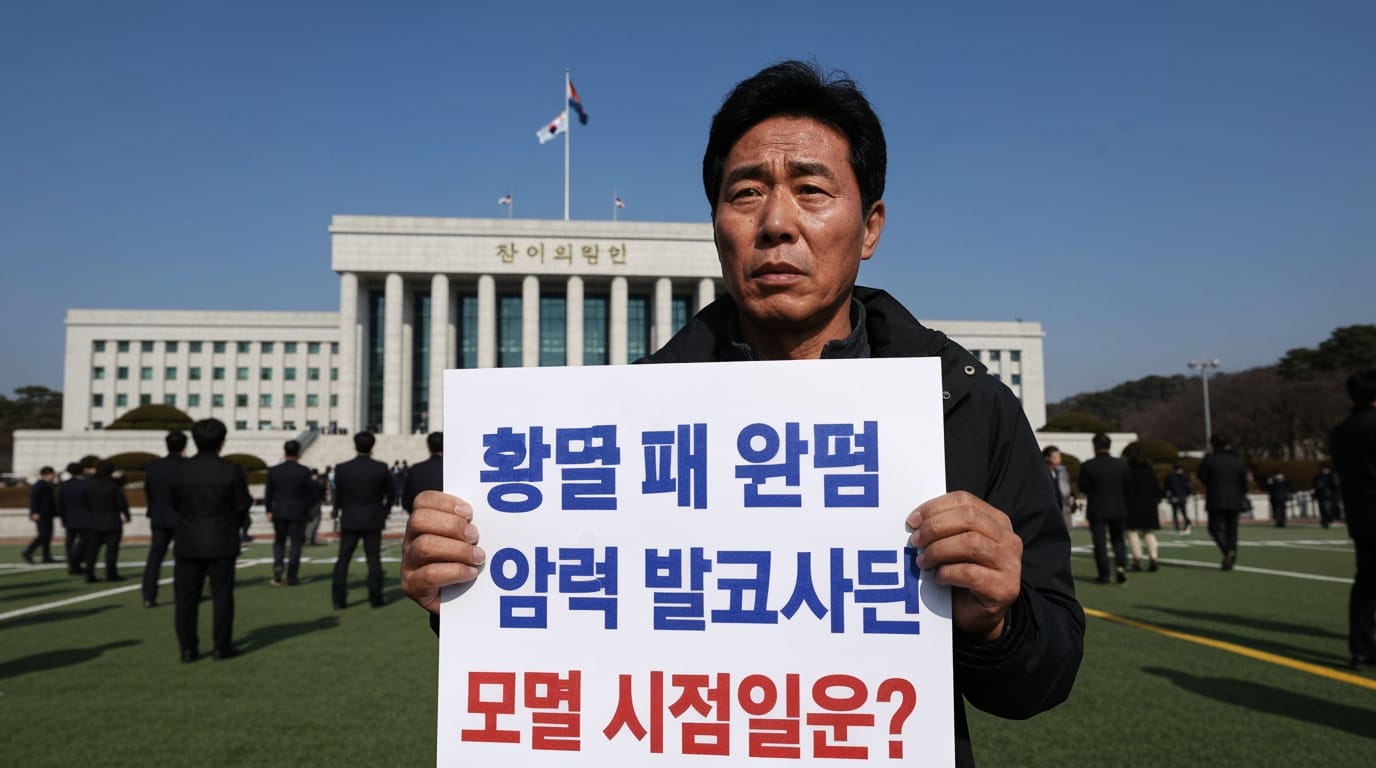
The immediate aftermath of the verdict highlights the deep ideological fissures within South Korean society. Outside the Seoul Central District Court, hundreds of Yoon's supporters rallied, waving national and U.S. flags, chanting their continued support, and accusing the judiciary of political bias. Simultaneously, critics of Yoon gathered nearby, many demanding the death penalty for his actions, underscoring the raw emotions surrounding the case.
The current political landscape, with President Lee Jae-myung elected in June 2025 following Yoon's removal, faces the ongoing challenge of bridging these societal divides. While the court's decision provides a measure of legal closure regarding the attempted insurrection, the political and social reconciliation necessary for national unity remains an arduous task. The verdict, while confirming the strength of South Korea's democratic checks and balances, also serves as a stark reminder of the fragility of even established democracies when confronted with challenges to their foundational principles. The nation now watches as the legal process unfolds, hopeful that the rule of law will ultimately strengthen its democratic resolve and foster a path toward greater cohesion.


