Indonesia Restricts Social Media Access for Under-16s Amid Growing Digital Safety Concerns
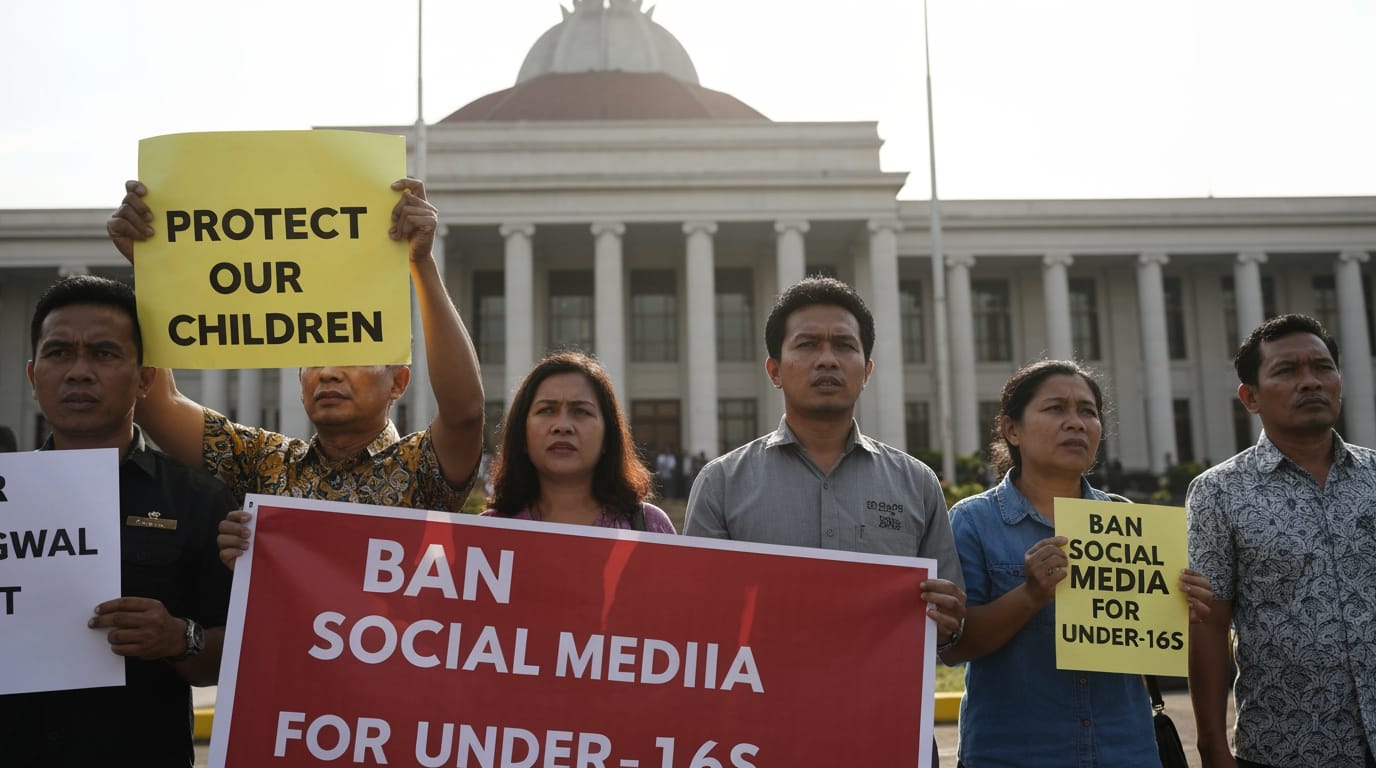
Jakarta, Indonesia – Indonesia has announced a significant new policy to restrict social media access for children under the age of 16, a move its government frames as a crucial step in safeguarding minors from online threats such as addiction, cyberbullying, and exposure to harmful content. The regulation, signed by Communications and Digital Minister Meutya Hafid, positions Indonesia as a leading non-Western nation in implementing age-appropriate digital access restrictions. Enforcement is set to begin gradually on March 28, targeting major platforms where underage accounts will face deactivation.
The comprehensive new rule reflects a growing global concern regarding the impact of digital platforms on youth mental health and development. Indonesian officials assert that the measure is a necessary intervention in what they describe as a "digital emergency," aiming to empower parents and reclaim the future of children from the unchecked influence of algorithms.
A New Era of Digital Guardianship
Communications and Digital Minister Meutya Hafid formally announced the new ministerial regulation on Friday, March 6. The regulation mandates a "delay of access" to social media platforms for children under 16. Beginning March 28, accounts belonging to users under this age on "high-risk platforms" will be progressively deactivated. Platforms specifically identified for these restrictions include widely used services such as YouTube, TikTok, Facebook, Instagram, Threads, X, Bigo Live, and Roblox. The deactivation process will continue in phases until all platforms fully comply with the new child protection requirements.
The rationale underpinning Indonesia's decision is rooted in protecting children from a spectrum of online dangers. Minister Hafid emphasized the increasing reality of threats faced by children, citing exposure to pornography, cyberbullying, online fraud, and internet addiction as primary concerns. The government views its intervention as essential to assist parents who often feel overwhelmed in confronting the pervasive nature of algorithmic influence. Hafid articulated the policy's objective: to ensure technology serves to "humanise humans, not sacrifice our children's childhood."
The new regulatory framework, known as Government Regulation No. 17 of 2025 on Electronic System Governance for Child Protection (PP Tunas), aims to establish structured governance for Electronic Systems Operators (ESOs). These ESOs, which include companies managing websites, social media platforms, gaming consoles, and IoT-enabled devices, will now be required to establish minimum age limits and ensure their products are aligned with these classifications. For children under 17, ESOs must obtain parental opt-in consent, allowing a 24-hour window for guardians to provide approval before access is granted.
Implementation and Anticipated Challenges
While the government has articulated a clear vision, officials acknowledge that the implementation of this regulation may not be without its difficulties. Minister Hafid conceded that the initial stages might cause "discomfort" for users and confusion for parents regarding how to respond to their children's complaints. Experts have also suggested that full enforcement could be challenging due to the dynamic nature of social media applications and the persistent efforts by some minors to circumvent age restrictions.
The Ministry of Communication and Digital Affairs has indicated its seriousness in enforcing compliance by digital platforms. In a recent move, the ministry conducted a surprise inspection of Meta Platforms' Jakarta office, issuing a stern warning regarding what it deemed a low level of compliance with national regulations concerning harmful content. Under the new policy, sanctions will be imposed on platforms that fail to fulfill their child protection obligations.
Indonesia's internet penetration rate stood at 79.5% in 2024, with a notable 48% of children under 12 already active online. This high level of digital engagement among young demographics underscores the urgency cited by the government for these new protections. Government figures also highlight the severity of the issue, with approximately 1.45 million cases of online child exploitation recorded. The regulation aims to mitigate these risks, ranging from exposure to inappropriate content and predatory interactions to the dangers of exploitation and addiction.
A Global Movement for Child Online Safety
Indonesia's decision to restrict social media access for minors aligns with a burgeoning global trend towards tighter regulation of online platforms for younger users. Several countries have recently implemented or proposed similar measures, reflecting a widespread concern over the detrimental effects of social media on children's well-being.
Australia, for instance, introduced a ban for under-16s in December, forcing major social media platforms to deactivate existing accounts and block new ones for this age group, with hefty fines for non-compliance. Spain has also announced plans to ban social media access for minors under 16, and Indonesia's neighbor, Malaysia, is set to implement a similar ban for under-16s starting in 2026.
Across Europe, similar initiatives are gaining momentum. France's National Assembly approved legislation to ban social media for under-15s, while Denmark has announced plans for a similar ban. Germany is also considering a ban for under-14s, and the United Kingdom is exploring an Australia-style restriction for under-16s. These international efforts underscore a collective recognition among governments worldwide that stronger online safeguards are imperative for protecting future generations.
Charting a Safer Digital Future
Indonesia's bold step to restrict social media access for children under 16 represents a decisive commitment to prioritize child safety in the digital realm. By proactively addressing concerns such as addiction, cyberbullying, and exposure to harmful content, the government aims to create a healthier online environment for its youth. While the implementation may present challenges, the move underscores Indonesia's resolve to curb the potential negative impacts of social media and is part of a wider international shift towards greater accountability for digital platforms. The success of this regulation will likely be watched closely by other nations grappling with similar issues, as the world navigates the complex interplay between technological advancement and the well-being of its youngest citizens.


