Indonesian Economy Grapples with Investor Exodus Amidst Market Turmoil and Policy Shifts
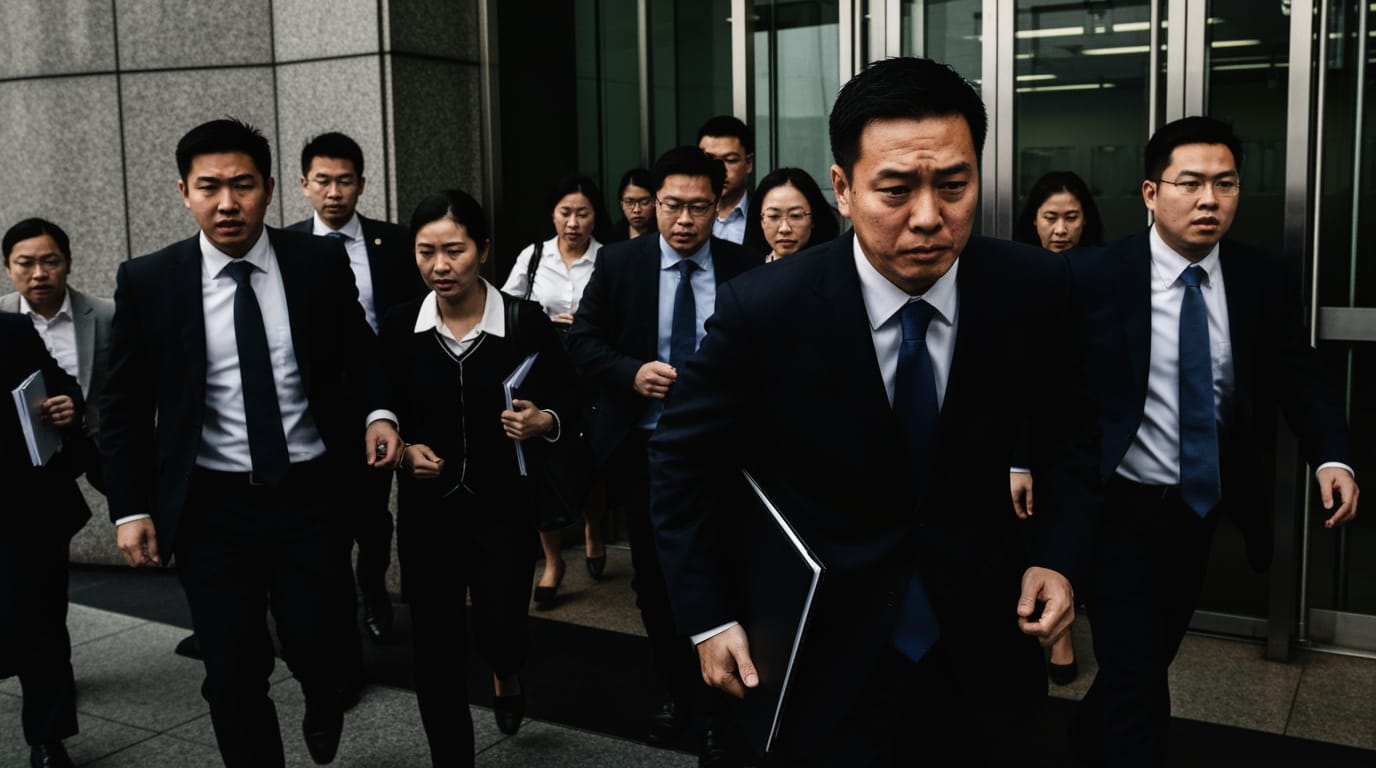
JAKARTA – Indonesia, a cornerstone of Southeast Asia's economic landscape, is currently navigating a turbulent period as global investors increasingly withdraw capital, signaling a significant cooling of interest in one of the region's largest economies. A combination of currency depreciation, market transparency concerns, and anxieties surrounding the new presidential administration's economic policies are contributing to a palpable investor flight from Jakarta's financial markets. The Indonesian rupiah has plunged to an all-time low, while major global indexes have begun delisting some of the country's prominent firms, reflecting a challenging outlook that is prompting a re-evaluation by international funds.
Economic Headwinds and Currency Pressure
The Indonesian economy is confronting substantial economic headwinds, with the local currency, the rupiah, reaching unprecedented lows against major global currencies. This depreciation is partly attributed to rising oil prices and broader regional concerns that have prompted a significant outflow of capital from Jakarta. Foreign investors have markedly reduced their exposure to Indonesian assets, particularly in the bond market, where foreign ownership has plummeted to just over 13% from nearly 40% as recently as 2019. This trend underscores a deeper malaise, as external shocks combined with internal vulnerabilities erode investor confidence. The broader context of rising global interest rates also plays a role, as such increases typically pose a risk to growth in emerging markets.
Market Integrity Under Scrutiny
Indonesia's capital markets are facing intense scrutiny over issues of transparency and governance. A recent stock market collapse has deepened concerns, as the equity bourse lost approximately 12%, or over $80 billion in value. This rout was exacerbated by a warning from index provider MSCI, which indicated that Indonesia risked a downgrade to frontier status due to persistent problems with ownership and trading transparency. At the heart of these market integrity issues is a practice colloquially known as "goreng-goreng saham," or "stock frying," where related parties manipulate stock prices through coordinated trading.
Authorities have proposed measures to address these concerns, including expanding disclosure requirements for major shareholders and doubling the "free float" – or tradable shares – of listed companies to 15%. While these gestures have been welcomed by some investors, there remains skepticism regarding their effective implementation and whether they will ultimately satisfy international bodies like MSCI, which has frozen Indonesian securities in its products. The resignations of five top officials from the financial regulator and stock exchange have done little to stabilize the market amidst these challenges.
Political Transition and Fiscal Apprehensions
The economic agenda of President Prabowo Subianto's administration has introduced an additional layer of uncertainty for investors. Concerns are mounting over his proposed spending programs, particularly popular initiatives like school lunches and defense expenditures. These plans are placing pressure on Indonesia's debt limits, which have remained firm since the Asian Financial Crisis. While Indonesia's budget deficit, at 2.92% last year, is comparatively low on a global scale, it sits uncomfortably close to the statutory cap of 3%. International investors are closely monitoring the government's fiscal discipline, expressing a desire for the deficit to be maintained well below this threshold. The perceived "cozy governance" under the new leadership is also troubling some investors, who fear it could undermine the hard-won progress made since the financial crisis.
Geopolitical Chessboard and Trade Dynamics
Beyond internal economic and governance challenges, Indonesia's position on the geopolitical chessboard is also impacting investor sentiment. The country's stance on resource nationalism, exemplified by its demands for China to process nickel and cobalt ores within Indonesia, could potentially provoke diplomatic tensions. Furthermore, Indonesia's decision to allow US military flight access to its airspace has introduced a new dimension to its foreign relations, particularly concerning its relationship with China, a major trading partner and investor. Such geopolitical maneuvers, while aimed at asserting national interests or balancing alliances, can add an element of unpredictability that heightens risk perceptions for international capital.
Broader Emerging Market Context
The challenges faced by Indonesia are not entirely isolated but are also reflective of broader trends affecting emerging markets globally. While some emerging economies like Malaysia have demonstrated robust growth and currency strength, others are contending with a general increase in investor risk aversion. The sell-off is not universally applied to all emerging markets, as some, such as the Philippines and Vietnam, remain popular destinations for investment. However, the global landscape of persistent inflationary pressures, slowing demand in major economies like the United States and China, and geopolitical instability are collectively contributing to a climate where investors increasingly prioritize safer assets. This shift often leads to capital outflows from equities into government bonds, gold, or cash, with export-oriented and emerging markets experiencing larger impacts.
Conclusion: A Critical Juncture for Jakarta
Indonesia finds itself at a critical juncture, needing to restore investor confidence amidst a confluence of internal and external pressures. The flight of capital underscores an urgent need for the government to demonstrate unwavering commitment to fiscal prudence, enhance market transparency, and clarify its long-term economic vision. While the government has signaled intentions for reform and introduced proposals to address market integrity, the actual execution and implementation of these measures will be key to reversing the current trend. The global investment community is watching closely, and the ability of Jakarta to navigate these complex economic, political, and geopolitical currents will determine its success in re-attracting the foreign capital essential for sustained growth and development. Without decisive action, the cooling of investor interest risks becoming a prolonged exodus, impacting Indonesia's economic trajectory for years to come.