Indonesian Parliament Approves Contentious Bill Expanding Military Roles in Government
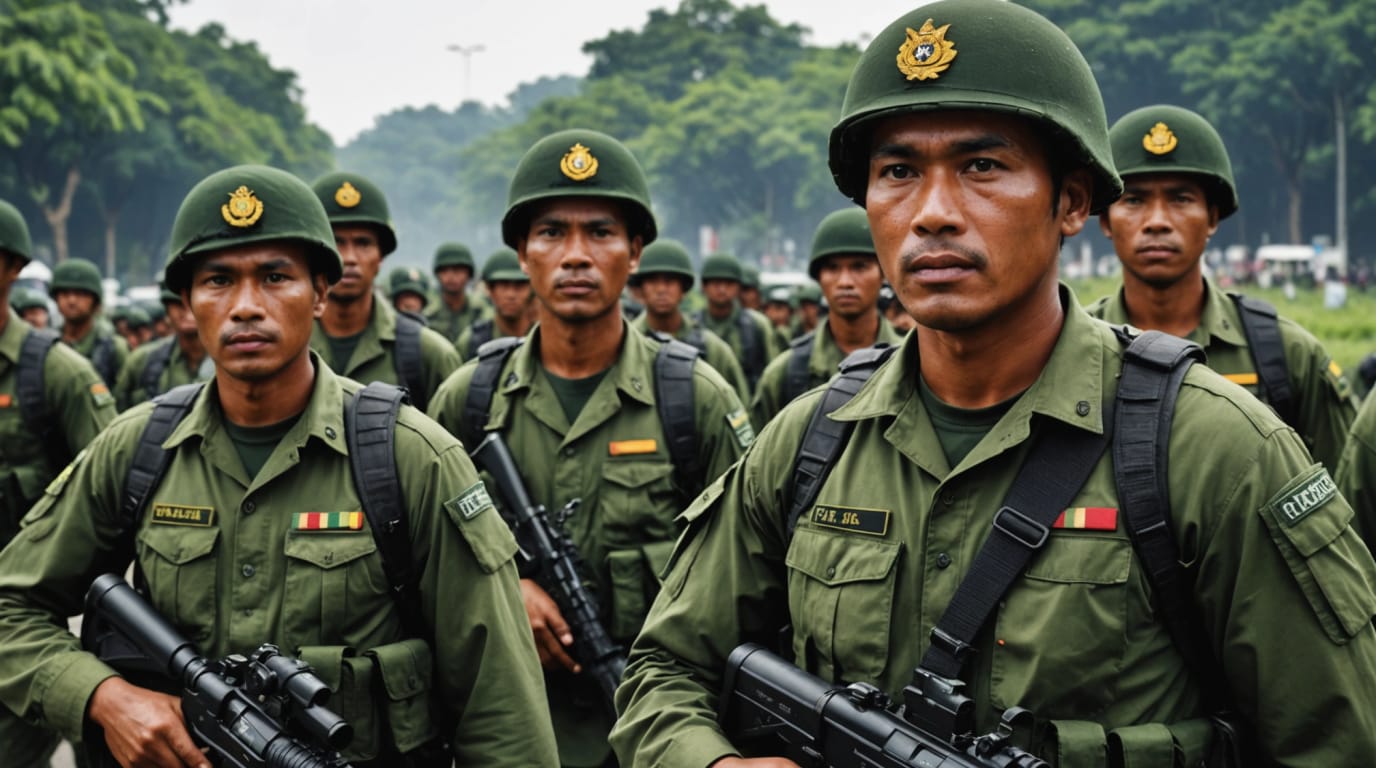
JAKARTA – The Indonesian House of Representatives (DPR) on Thursday passed a controversial revision to Law No. 34/2004 concerning the Indonesian Military (TNI), paving the way for active-duty military personnel to hold a greater number of positions within civilian government. The move has sparked concerns from civil society groups, who fear a resurgence of military influence in civilian affairs reminiscent of the authoritarian "New Order" era under former President Suharto.
The revised law, officially approved during the 15th plenary session of the 2024-2025 parliamentary sitting period, amends key articles to expand the military's reach beyond its traditional defense role. House Speaker Puan Maharani led the session, where the vote was unanimously approved by parliamentary factions.
Key Amendments and Provisions
The revised military law introduces changes to three primary articles:
- Article 3: Reaffirms the TNI's position under the president's command for military deployment and operations. It stipulates that defense policy and administration remain under the purview of the Defense Ministry.
- Article 53: Increases the mandatory retirement age for TNI personnel from 55 to 62 years.
- Article 47: This is the most contentious change, expanding the number of civilian government positions accessible to active military personnel from 10 to 15. The additional five positions include roles within the Coordinating Ministry for Political, Legal, and Security Affairs, the Attorney General's Office, and the Supreme Court.
Under the previous law, military officers were generally required to resign or retire from military service before assuming civilian posts in government institutions outside of a limited number of designated agencies.
Concerns over TNI's Dual Function
The expansion of military roles in civilian government has ignited fears of a return to the "dwifungsi" (dual function) doctrine that characterized the Suharto era. This doctrine allowed the military to intervene extensively in civilian governance, leading to widespread abuses and a suppression of democratic principles.
Deputy Speaker Sufmi Dasco Ahmad acknowledged the public opposition to the bill but maintained that the legislative process had incorporated input from various stakeholders. He asserted that the revised law does not reinstate the dual-function role of the military. "We have clearly stated that the revised law does not reintroduce TNI's dual-function role. The new provisions do not grant the military an expanded political or administrative role beyond what has been deliberated," Dasco stated.
However, the Civil Society Coalition for Security Sector Reform and other rights groups remain critical, warning that the move could blur the lines between military and civilian governance, potentially undermining civilian control and accountability.
Government Justification and Support
President Prabowo Subianto's administration has strongly supported the revisions to the military law. Law Minister Supratman Andi Agtas expressed the government's hope that the revised law would be passed during the House plenary session. President Subianto, who took office last October and was a special forces commander under Suharto, has been expanding the armed forces' role into what were considered civilian areas.
Military chief General Agus Subiyanto told the parliament last week that the military law, which was passed in 2004, was outdated and no longer relevant.
Civil Society Opposition and Protests
News of the bill's passage has been met with protests from democracy groups and students. Demonstrations are expected to take place in front of the parliamentary building in Jakarta. Some students had already camped at the back gate of the parliamentary building since Wednesday evening, demanding the government withdraw all military personnel from civilian jobs.
Rights groups have voiced concerns that the increased military involvement could lead to abuses of power, human rights violations, and impunity for actions. Andreas Harsono, senior Indonesia researcher at Human Rights Watch, stated that President Prabowo appears intent on restoring the Indonesian military's role in civilian affairs, which were long characterized by widespread abuses and impunity.
Implications for Indonesian Democracy
Critics argue that the revised law undermines decades of democratic progress in Indonesia. The 2004 law was a landmark reform that reduced the military's role in civil affairs, stripping the armed forces of their political representation in parliament and formally ending the "dual function" doctrine.
The new law raises concerns about civil-military relations in a country that has worked to transition to democracy. Human rights groups warn that increased military involvement in governance could weaken civilian control and blur the lines between defense and law enforcement. A report by Imparsial, a Jakarta-based security and human rights watchdog group, found that even before the bill's revision, at least 2,569 active-duty officers were serving in civilian roles, some of them outside the legal framework.
Looking Ahead
The passage of the revised military law marks a significant shift in Indonesia's civil-military dynamics. While the government asserts that the changes are necessary to address contemporary challenges and utilize the expertise of military personnel, concerns remain about the potential for democratic backsliding and the erosion of civilian oversight. The coming months will be crucial in observing how the new law is implemented and whether safeguards are sufficient to prevent abuses of power and protect human rights.


