Intensified Strikes Batter Ukraine and Russia Amid High-Stakes Diplomacy at G7 Summit
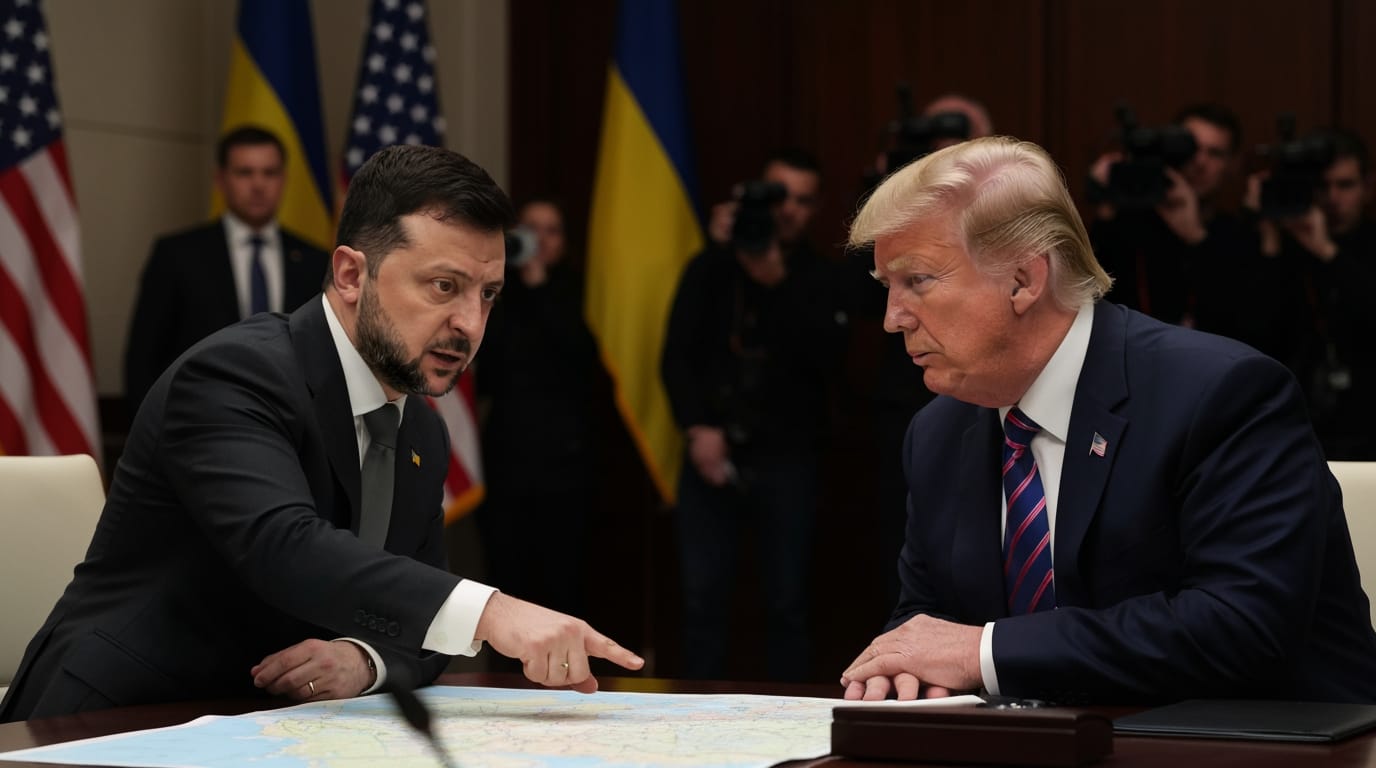
Evian-les-Bains, France – The brutal conflict between Russia and Ukraine has escalated dramatically in recent days, marked by a relentless barrage of missile and drone attacks from both sides, even as Ukrainian President Volodymyr Zelenskyy engaged in critical diplomatic discussions with global leaders, including U.S. President Donald Trump, at the G7 summit in France. This dual reality of intensified warfare on the ground and high-level peace overtures underscores the complex and volatile nature of a conflict now deep into its fifth year.
The past week has witnessed a significant surge in cross-border hostilities, with Russia unleashing devastating aerial assaults on Ukrainian cities and critical infrastructure, while Ukraine has responded with an expanded campaign of drone strikes deep within Russian territory. These military maneuvers are unfolding concurrently with urgent international efforts at the G7 summit to chart a path toward peace and bolster Ukraine’s defense capabilities, highlighting a fragmented global landscape where military force and diplomatic pressure are being applied in equal measure.
Escalation on the Eastern Front: Cities Under Siege
Russia has recently intensified its aerial campaign against Ukraine, employing large-scale drone and missile strikes that have caused extensive damage and civilian casualties. On the night of June 14 to 15, Russian forces conducted a "devastating" series of attacks targeting major Ukrainian cities including Kyiv, Dnipro, and Kharkiv. These strikes not only impacted residential areas but also damaged significant cultural sites, notably the Kyiv Pechersk Lavra, a UNESCO World Heritage site and one of Ukraine’s most sacred religious landmarks. Ukrainian President Zelenskyy condemned the assault on the Kyiv Pechersk Lavra as "one of Russia's most serious crimes against Christian culture to date."
The aggression continued into mid-June, with Russia launching 7 Iskander-M/S-400 ballistic missiles and 239 strike uncrewed aerial vehicles (UAVs) on the night of June 17-18. Ukrainian air defense systems demonstrated significant effectiveness, reportedly downing four ballistic missiles and 212 UAVs. Despite these interceptions, hits were recorded in nine locations across northern, southern, and eastern regions of the country, with debris from intercepted targets falling in seven others, underscoring the persistent threat to civilian areas. Earlier in June, a massive Russian attack on June 2 killed at least 22 civilians, including two children, and injured 145 others across urban centers. Reports indicate that Russian forces are continually adapting their strike tactics in an effort to maximize damage. The UN Human Rights Monitoring Mission in Ukraine noted a nearly 20% increase in civilian casualties in 2026 compared to the same period in 2025, largely due to the increased use of long-range weapons.
Ukraine's Retaliation: Targeting Russia's Energy Lifeline
In a strategic shift aimed at pressuring Moscow, Ukraine has ramped up its long-range drone attacks against military, industrial, and energy infrastructure deep within Russia. On June 18, Ukrainian drones launched a substantial assault on Moscow, successfully striking the Moscow Oil Refinery in the Kapotnya district. This strike ignited significant fires and caused thick plumes of smoke over parts of the capital. This was reportedly the second such attack on the Moscow Oil Refinery within three days, with a previous strike on June 16 reportedly forcing a temporary suspension of operations at the facility, which supplies a considerable portion of Moscow's fuel needs, including aviation fuel.
Beyond Moscow, Ukrainian drones have targeted critical Russian assets, including oil refineries and a petrochemical plant in Tatarstan, as well as the Tolyattikauchuk plant in the Samara region, which produces synthetic rubbers used for missile solid fuel. These sustained incursions into Russian airspace, often penetrating layered air defenses, signify Ukraine's increasing capability to project power beyond its borders. The intensified drone campaign has also impacted Crimea, disrupting supply lines and leading to fuel shortages on the Russian-occupied peninsula. Ukrainian officials suggest that these strikes are a necessary response to Russian aggression and are intended to demonstrate Kyiv's capacity to inflict costs, potentially creating leverage for future negotiations.
Diplomacy on the Sidelines: Zelenskyy Engages Trump at G7
Against this backdrop of heightened military exchanges, diplomatic efforts took center stage at the G7 summit in Evian-les-Bains, France. Ukrainian President Volodymyr Zelenskyy held crucial talks with U.S. President Donald Trump on June 16, a meeting that generated "cautious optimism" among G7 leaders regarding potential peace initiatives. Following their discussion, President Trump described the meeting as "very good" and asserted that Russia should "make a deal" to end the conflict. Zelenskyy, who expressed intentions to meet Trump again on June 17, confirmed that strengthening Ukraine's air defense capabilities was a primary focus of their dialogue. Discussions included the possibility of Ukraine obtaining licenses for the domestic production of anti-ballistic systems and missiles, a move supported by the G7.
During their encounter, Zelenskyy reportedly presented Trump with photographic evidence of the recent Russian attack on the Kyiv Pechersk Lavra, prompting a disapproving response from the U.S. President. The G7 leaders collectively reaffirmed their "unwavering support" for Ukraine and agreed to increase the delivery of air defense capabilities, including additional systems, interceptors, and long-range armaments. They also committed to intensifying pressure on Russia's economy through enhanced sanctions, particularly targeting its oil and gas sectors. This diplomatic engagement at the highest levels signals a concerted international effort to manage the conflict, even as the immediate military situation remains highly dynamic.
The Enduring Stalemate and Prospects for Peace
The simultaneous intensification of military strikes and high-level diplomatic talks paints a stark picture of a conflict locked in a precarious balance. While Ukraine demonstrates an increasing capacity to strike targets deep within Russia, and Russia continues its destructive aerial campaigns against Ukrainian cities, the stated positions of both sides remain fundamentally incompatible for peace talks. Moscow continues to demand the territorial ceding of Ukrainian lands it occupies, while Kyiv steadfastly refuses territorial concessions and insists on robust security guarantees.
Despite the ongoing aggression, the G7 summit's renewed focus on peace, coupled with the commitment to bolster Ukraine's defense, suggests a persistent international effort to de-escalate the conflict. The emphasis on licensing domestic production of critical defense systems in Ukraine indicates a long-term strategy to enhance Kyiv's self-sufficiency and resilience. However, as the war stretches into its fifth year with rising casualties and extensive destruction, the path from intense battlefield engagements to a lasting peace remains fraught with significant challenges. The recent diplomatic overtures, particularly the engagement between Zelenskyy and Trump, offer a glimmer of hope, but the enduring violence underscores the profound complexities inherent in bringing an end to one of Europe's most devastating conflicts.


