Intensive Diplomacy Underway as US, Iran Engage in High-Level Nuclear Talks
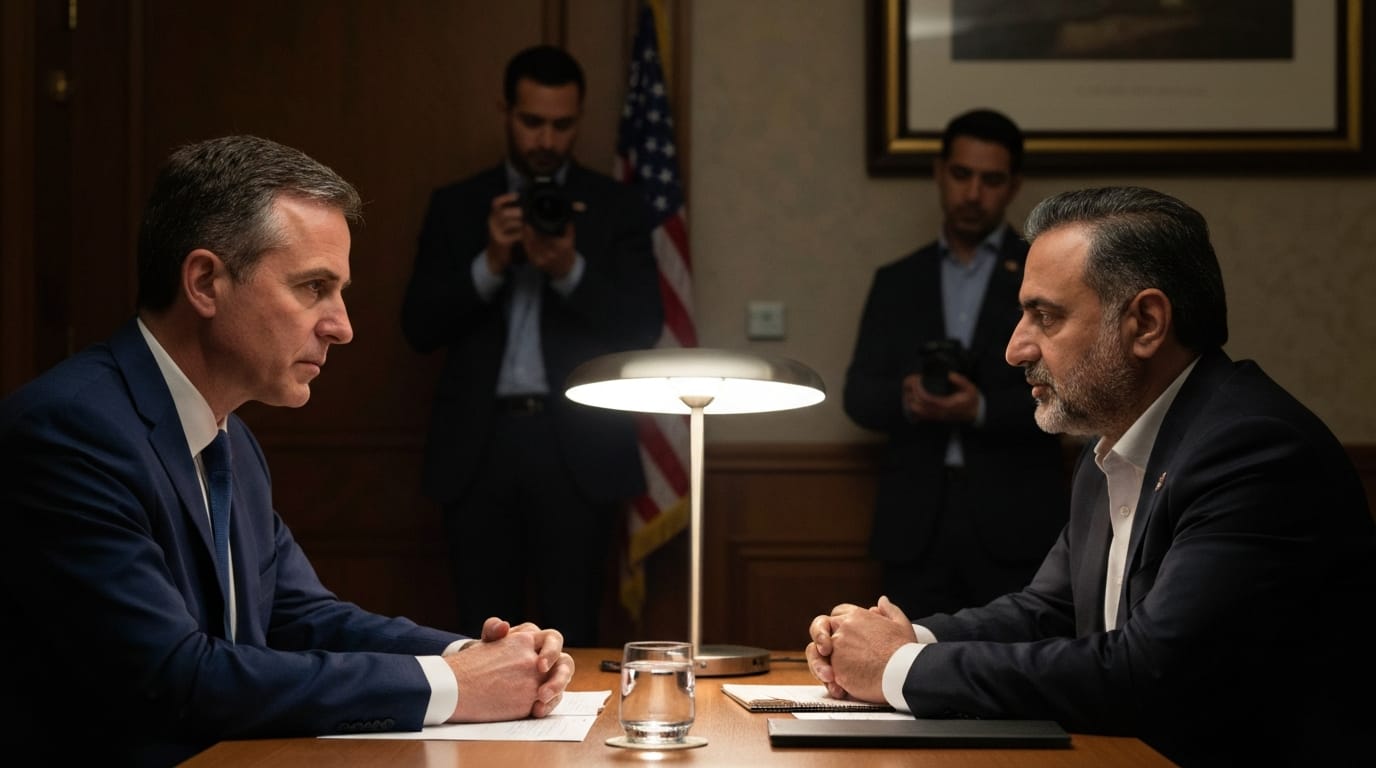
Secretive, high-level diplomatic engagements between the United States and Iran have intensified, signaling a critical juncture in efforts to manage Tehran's accelerating nuclear program. These sensitive discussions, often held indirectly, aim to avert a deeper crisis and potentially chart a path toward de-escalation, although significant hurdles remain. The discreet nature of these negotiations underscores the deep mistrust and complex political landscape surrounding one of the world's most enduring proliferation challenges.
Mounting Urgency Amidst Nuclear Advancements
The impetus for renewed diplomatic outreach stems from mounting international concern over Iran's significant advancements in its nuclear activities since the 2018 withdrawal of the United States from the Joint Comprehensive Plan of Action (JCPOA). Following the U.S. pullout and subsequent re-imposition of crippling sanctions, Iran has progressively scaled back its commitments under the landmark 2015 agreement. Reports from the International Atomic Energy Agency (IAEA) have consistently highlighted Iran's enrichment of uranium to levels far exceeding the JCPOA's limits, its use of advanced centrifuges, and reduced cooperation with international inspectors. These actions have dramatically shortened Iran's potential "breakout time" — the period required to produce enough weapons-grade fissile material for a nuclear device — intensifying calls for a diplomatic resolution before the situation becomes irreversible. The global community watches closely, with the understanding that a nuclear-armed Iran would profoundly destabilize an already volatile Middle East and spark a regional arms race.
Navigating a Labyrinth of Mistrust and Demands
The current high-level talks are characterized by immense complexity, with both sides presenting formidable demands and operating from positions of deep skepticism. For the United States, the primary objective is to constrain Iran's nuclear program, ensuring it remains exclusively peaceful and verifiable. This entails rolling back uranium enrichment levels, limiting centrifuge deployment, and re-establishing robust international monitoring. U.S. officials have consistently stated a preference for diplomacy but have also maintained that all options remain on the table. Conversely, Iran seeks substantial and verifiable sanctions relief as a prerequisite for any significant return to compliance with the JCPOA's limits. Iranian officials have emphasized the need for guarantees that future U.S. administrations will not unilaterally abandon any renewed agreement. Furthermore, Tehran aims to preserve its sovereign right to a peaceful nuclear energy program, asserting that its current advancements are a response to perceived Western aggression and a means of deterrence. The gap between these core demands creates a challenging environment for any breakthrough.
The Shadow of Sanctions and Economic Pressures
A central theme woven throughout the negotiations is the debilitating impact of U.S. economic sanctions on Iran. These punitive measures, targeting Iran's oil exports, banking sector, and other key industries, have severely curtailed the nation's economy, contributing to high inflation, unemployment, and a general decline in living standards. While these sanctions were designed to compel Iran to alter its behavior, they have also fueled resentment and contributed to a hardline stance within the Iranian political establishment. The ongoing discussions therefore involve intricate proposals regarding the sequencing and scope of sanctions relief in exchange for nuclear concessions. Both sides are wary of appearing to concede too much without reciprocal commitments, leading to protracted and delicate exchanges. The economic plight of ordinary Iranians, though not directly on the negotiating table, adds a significant humanitarian dimension to the talks, with implications for social stability and the public's perception of any potential deal.
Regional Ripple Effects and Geopolitical Stakes
Beyond the immediate concerns of the nuclear program, the high-level talks carry profound implications for regional stability and broader geopolitical dynamics. Iran's regional adversaries, particularly Israel and Saudi Arabia, are keenly observing these developments, voicing concerns that any perceived leniency towards Tehran could empower its proxies and further destabilize the Middle East. These nations advocate for a tougher stance and a more comprehensive agreement that addresses Iran's ballistic missile program and its regional activities, issues that fall outside the scope of the original JCPOA but are often raised as critical for long-term security. The talks also engage major global powers such as China, Russia, and the European Union, all of whom were signatories to the original JCPOA and have a vested interest in preventing nuclear proliferation while also safeguarding their economic ties with Iran. The success or failure of these negotiations will undeniably reshape alliances, influence regional power balances, and impact global non-proliferation efforts for years to come.
A Precarious Path Towards De-escalation
As these high-level talks continue, often shrouded in secrecy to facilitate frank exchanges, the path forward remains precarious. Each diplomatic encounter is a delicate balancing act, with negotiators weighing the risks of concession against the dangers of escalation. While direct breakthroughs are rare and progress is incremental, the very fact that such intensive dialogues are occurring signals a shared recognition of the urgent need to address the nuclear standoff. The ultimate success of these efforts hinges on the willingness of both the United States and Iran to demonstrate flexibility, rebuild a modicum of trust, and prioritize a diplomatic resolution over entrenched positions. The stakes are extraordinarily high, not only for the future of Iran's nuclear program but for regional peace and the broader international non-proliferation architecture.


