International Coalition Vows Increased Aid to Cuba Amid Escalating US Sanctions
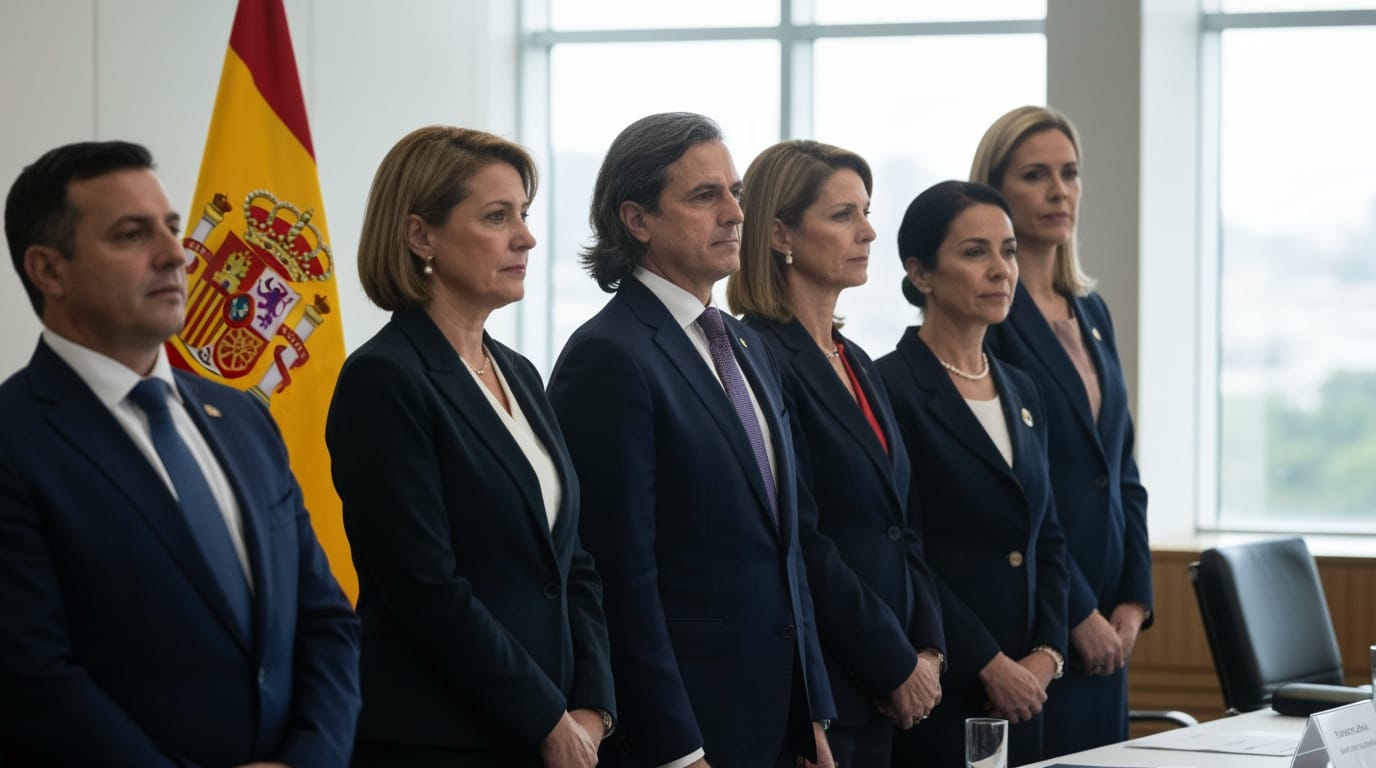
Madrid, Spain — In a direct challenge to escalating US sanctions, Spain, Brazil, and Mexico have collectively pledged to significantly boost humanitarian aid to Cuba. This concerted effort comes as the Caribbean nation grapples with its most profound economic crisis in decades, a situation severely exacerbated by tightened restrictions from the United States, including a de facto fuel blockade. The coordinated announcement underscores a growing international divergence from Washington's "maximum pressure" strategy, emphasizing humanitarian concerns and the principles of national sovereignty.
The commitment materialized following a series of diplomatic engagements, including a high-level summit in Barcelona where Spanish Prime Minister Pedro Sanchez hosted Brazilian President Luiz Inacio Lula da Silva and Mexican President Claudia Sheinbaum. A joint statement issued by the three nations called for "sincere dialogue in line with the U.N. Charter," asserting that the Cuban people must be free to determine their own future. This declaration serves as a powerful testament to a renewed pushback against what many perceive as extraterritorial US economic policies, aiming to alleviate the dire conditions faced by ordinary Cubans.
A Coordinated Humanitarian Response to Deepening Crisis
The decision by these three significant global and regional powers to ramp up assistance is a direct response to Cuba's worsening humanitarian situation. Mexico was the first to act decisively, dispatching two naval vessels in February 2026 laden with over 800 tons of crucial humanitarian supplies. These shipments included essential foodstuffs like milk, rice, beans, sardines, meat products, cookies, canned tuna, vegetable oil, and personal hygiene items. Mexican President Claudia Sheinbaum affirmed her nation's commitment, even as Mexico had temporarily halted oil shipments to Cuba due to US threats of tariffs on countries supplying the island. Sheinbaum, however, firmly rejected claims of acceding to US demands, asserting Mexico's sovereign decision-making and prioritizing the well-being of the Cuban populace. An additional 1,650 tons of powdered milk and beans are reportedly being prepared for future transport by Mexico.
Spain, following consultations between its Foreign Minister José Manuel Albares and Cuban Foreign Minister Bruno Rodríguez Parrilla in Madrid, announced its intention to provide humanitarian aid, specifically food and essential health products, channeled through the United Nations system. This diplomatic move highlights Spain's role as a European partner engaging with Cuba amidst the heightened tensions.
Brazil has also joined the effort with substantial pledges. The Brazilian government confirmed it is sending humanitarian aid, including 20,000 tons of rice, 150 tons of beans, 150 tons of prepared rice, and 500 tons of powdered milk. Beyond direct food aid, Brazil is also allocating resources to support Cuba's agricultural production, signaling a longer-term commitment to enhancing food security on the island. These efforts are consistent with President Lula da Silva's previous condemnations of the US fuel blockade, which he has characterized as "criminal" and "inhumane."
These concerted actions come in the wake of the Trump administration's aggressive tightening of the long-standing US embargo, particularly its targeted measures to cut off Cuba's access to oil. In January 2026, President Donald Trump signed an executive order authorizing import duties on goods from any country directly or indirectly supplying oil to Cuba, declaring a "national emergency" and citing Cuba as a security threat. This followed a US military operation in Venezuela that disrupted Cuba's primary oil supply. The stated US objective is explicit: "regime change" in Cuba by the end of 2026.
A History of Embargo and Enduring Alliances
The United States has maintained an economic embargo against Cuba since the early 1960s, a policy that has been described as the "most enduring trade embargo in modern history." This comprehensive embargo affects virtually all sectors of the Cuban economy, blocking its access to US markets, intervening in its trade with third countries, disrupting international financial transactions, and limiting foreign investment. While the severity of the embargo has fluctuated over time—experiencing a notable thaw under the Obama administration, only to be dramatically tightened under Trump's presidency—its impact on the Cuban economy has consistently been profound, making it expensive and risky for other nations to conduct business with the island.
Despite this persistent pressure, Cuba has historically maintained strong diplomatic and economic ties with several Latin American and European nations. Mexico, for instance, has upheld uninterrupted diplomatic relations with Cuba since 1902 and possesses a long tradition of solidarity. Mexican leadership has openly blamed the US embargo for contributing to unrest in Cuba. Similarly, Brazil, particularly under President Lula da Silva, has demonstrated robust support for Cuba, providing significant financial assistance, corporate backing, and credit lines for projects like the development of the Mariel port. Lula has historically aimed for Brazil to be Cuba's "number one partner" and has been a vocal critic of the US embargo, labeling it "illegal."
These historical patterns of engagement highlight a persistent international reluctance among many nations to fully align with the US strategy of isolating Cuba. The current coordinated aid initiative is a contemporary manifestation of this enduring solidarity, positioning these countries as advocates for a more diplomatic and humanitarian approach to Cuba's challenges.
Geopolitical Dimensions and Humanitarian Imperatives
The joint aid initiative carries significant geopolitical weight, serving as a clear message that a segment of the international community is unwilling to passively observe the deepening humanitarian crisis in Cuba. The nations involved frame their actions primarily through a humanitarian lens, emphasizing the urgent need to address critical shortages of food, medicine, and fuel to prevent widespread suffering among the Cuban population. Cuban Foreign Minister Bruno Rodríguez has publicly condemned the increasing US hostility as violations of peace, security, and international law, echoing sentiments shared by the aid-providing nations. The United Nations has also expressed deep alarm over the crisis unfolding in Cuba.
Beyond immediate humanitarian relief, this collective action represents a broader assertion of national sovereignty and a rejection of what is often perceived as US extraterritorial application of its domestic laws. Mexico's steadfast position on its right to self-determination and its intent to navigate its own foreign policy, despite US pressure, exemplifies this stance. The move also signifies a potential realignment of regional dynamics, with key Latin American players and a prominent European ally stepping forward to counter US influence in the Caribbean. Such coordinated efforts could encourage other nations to also defy US pressure and engage with Cuba on their own terms.
Moreover, the intervention of activist groups, such as the "Nuestra América Convoy" which delivered aid from 33 countries, underscores a transnational civil society movement also opposing the US sanctions and demonstrating solidarity with the Cuban people. This multi-layered international response indicates a growing consensus that the human cost of the US embargo has become untenable.
Cuba's Dire Reality: A Call for Urgent Assistance
Cuba is currently enduring an economic downturn described as its most severe since the early 1990s following the collapse of the Soviet Union. The island's economy contracted by 11% in 2020 and a further 1.1% in 2024, with inflation soaring to 24% in 2024. The recession continues into 2025, with no significant growth for over twelve consecutive quarters and persistent fiscal deficits.
The impact on daily life for Cubans is devastating. Widespread shortages of fuel, water, food, and medicine have become chronic. The fuel crisis, particularly intensified by US actions against Venezuela and threats to other suppliers, has led to frequent and prolonged electricity outages across the island. Basic services have been severely disrupted, with hospitals limiting surgeries, public transport experiencing severe delays, and garbage accumulating in cities due to a lack of fuel for waste collection. Infant mortality rates are reportedly rising.
A staggering 89% of Cubans were living in "extreme poverty" in July 2024, a stark indicator of the eroded purchasing power resulting from high inflation and stagnant salaries. The acute food insecurity underscores the critical importance of the aid shipments focusing on basic sustenance. While the Cuban government has initiated some reforms, allowing for increased private sector activity—which astonishingly accounted for 55% of retail sales in 2024—the overall state-run economy struggles to meet the population's fundamental needs. This dire reality forms the urgent backdrop against which Spain, Brazil, and Mexico have stepped forward with their pledges of increased assistance.
Conclusion: A Test of International Will
The coordinated commitment by Spain, Brazil, and Mexico to augment aid to Cuba marks a significant moment in international relations, signaling a powerful counter-narrative to the United States' long-standing policy of economic pressure. While the US maintains its stance that increased sanctions are necessary to compel political change, this tripartite alliance prioritizes humanitarian imperatives and the principle of sovereign engagement. The influx of food, medicine, and agricultural support from these nations offers a vital lifeline to a Cuban populace suffering from severe shortages and economic hardship.
This collective action not only provides immediate relief but also holds broader implications for the future of US-Cuba relations and regional stability. It challenges the efficacy and morality of unilateral sanctions, particularly when they lead to a profound humanitarian crisis. The coming months will determine the full impact of this international solidarity, both on the daily lives of Cubans and on the complex geopolitical landscape of the Americas and beyond. The world watches to see if this united front can alleviate suffering and perhaps, in time, pave the way for more constructive dialogue regarding the future of Cuba.


