Cautious Optimism Emerges as US-Iran Talks Show Incremental Progress Amidst Persistent Stalemate
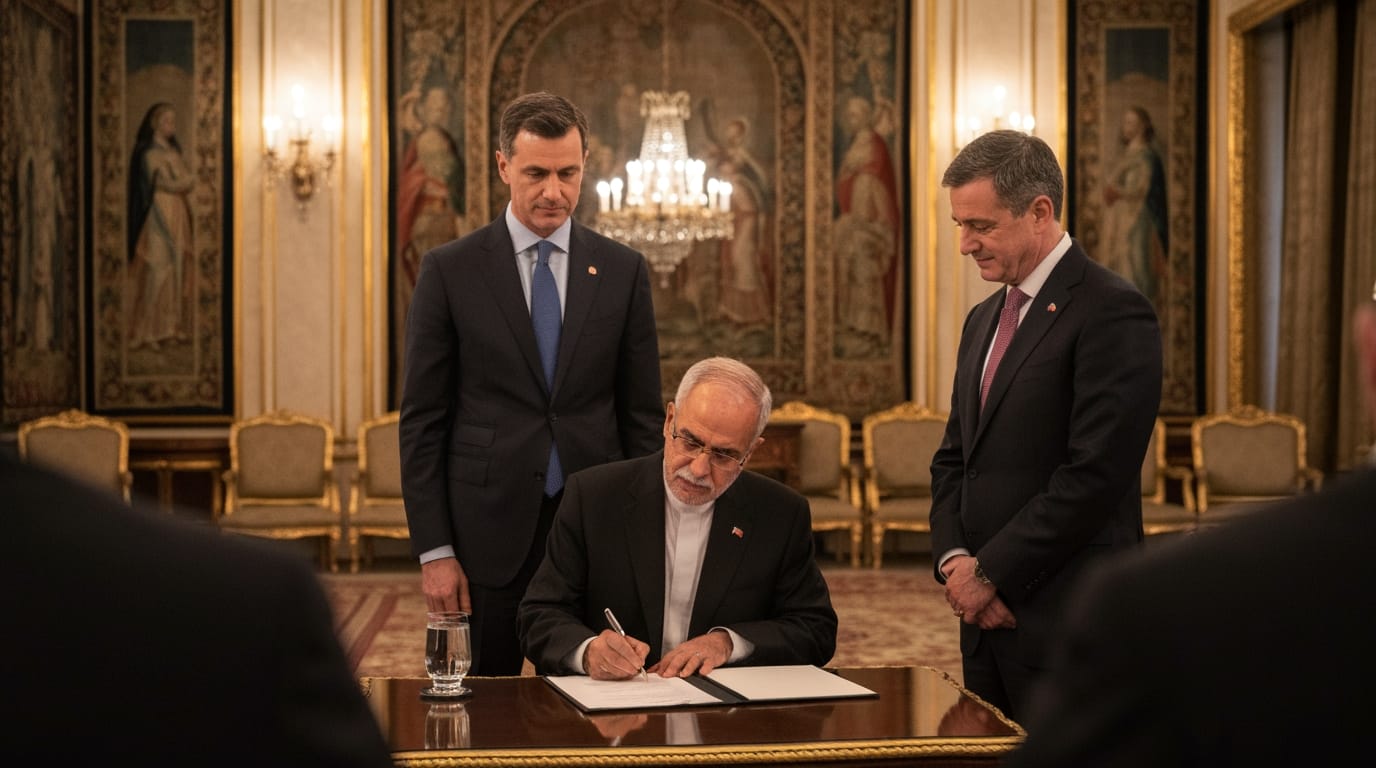
Islamabad, Pakistan – Amidst the shadow of a two-month-long conflict, indirect diplomatic negotiations between the United States and Iran have yielded cautious expressions of progress, though both sides acknowledge significant hurdles remain before a comprehensive peace agreement can be reached. The discussions, facilitated by regional intermediaries, aim to de-escalate a conflict that commenced on February 28, 2026, and has seen military exchanges between US-Israeli forces and Iran, alongside its regional allies, leading to widespread instability and rising global oil prices. A fragile two-week ceasefire, brokered by Pakistan, is set to expire on April 21 or 22, intensifying pressure on negotiators to solidify a path forward.
The recent round of talks, held in Islamabad, Pakistan, over the past weekend, marked a critical juncture in attempts to quell the protracted hostilities. US Vice President J.D. Vance and Iranian Foreign Minister Abbas Araghchi led their respective delegations in indirect discussions, with Pakistan, Turkey, and Egypt playing pivotal mediation roles. While Iran's top negotiator, Mohammad Bagher Qalibaf, described the engagement as having made "progress," he underscored that a final agreement remains "far" due to substantial unresolved differences. Similarly, President Donald Trump referred to "very good conversations" with Tehran, yet concrete breakthroughs have proven elusive.
The Complex Web of Demands and Counter-Demands
At the heart of the current diplomatic deadlock lie deeply entrenched positions on several critical issues, primarily Iran's nuclear program, the future of the strategic Strait of Hormuz, and the lifting of international sanctions. These core disagreements reflect decades of mistrust and a volatile history of US-Iran relations, which have cycled through periods of engagement, coercion, and containment since Iran's 1979 Islamic Revolution. The US unilateral withdrawal from the Joint Comprehensive Plan of Action (JCPOA) in 2018 is frequently cited by Iranian officials as a significant source of this enduring mistrust.
On the nuclear front, the United States has put forth stringent demands, including the abandonment of Iran's nuclear program, the dismantling of major enrichment facilities, and the transfer of its stockpile of highly enriched uranium, estimated to be between 400 and 970 kilograms. American negotiators reportedly proposed a 20-year moratorium on uranium enrichment. However, Iran has firmly rejected the idea of handing over its enriched uranium to the US, labeling it a "non-starter," and countered with an offer of a significantly shorter 3-to-5-year suspension of enrichment. Iranian officials maintain their right to enrich uranium for peaceful purposes, in compliance with international safeguards and a cap at 3.67%, mirroring the original JCPOA limits. Despite Iranian denials, President Trump has continued to assert that Iran has agreed to transfer its enriched uranium, a claim Tehran has unequivocally dismissed.
The Strait of Hormuz: A Volatile Lifeline
The Strait of Hormuz, a critical maritime chokepoint through which approximately one-fifth of the world's oil transits, has emerged as a particularly volatile point of contention. The US imposed a naval blockade on vessels bound for or departing from Iranian ports through the Strait, a measure that Iran views as an act of war and a violation of the ceasefire.
Iran initially announced a temporary reopening of the Strait on April 17, coinciding with a ceasefire in Lebanon, but swiftly reversed this decision, re-imposing restrictions and stating that the waterway would remain closed until the US blockade is lifted. Tehran regards its control over the Strait as crucial leverage in negotiations and has called for a "new protocol" to ensure its safe and open passage for civilian vessels.
Sanctions, Regional Stability, and the Path to a Framework Agreement
Beyond the nuclear file and maritime security, Iran has consistently demanded the lifting of what it terms "illegal unilateral sanctions" imposed by the United States. These economic pressures have significantly impacted the Iranian economy and are a central component of Tehran's negotiating position. Furthermore, the scope of the ceasefire itself has been a point of contention. Iran insisted that the truce must extend to Lebanon, where Israeli forces had been engaged with the Iran-backed Hezbollah. While initial US and Israeli statements denied this extension, President Trump later reportedly prohibited Israel from further offensive strikes in Lebanon, signaling a potential shift in position. Reports also indicate that Iran's broader demands include war reparations and the withdrawal of US forces from the region.
Senior Iranian official Saeed Khatibzadeh indicated that Tehran is not yet prepared for face-to-face talks with US counterparts, citing Washington's "maximalist" demands as a barrier. Iran aims to finalize a "framework agreement" outlining the parameters of a potential deal before committing to in-person meetings. This approach suggests a desire to establish clear terms and mutual commitments, rather than engaging in open-ended discussions amidst lingering hostilities and mistrust.
The Future of Diplomacy
As the two-week ceasefire approaches its expiration, the international community watches intently for signs of continued diplomatic engagement. Pakistan has offered to host a second round of talks, a proposal echoed by a White House official who noted that "future talks are under discussion." However, the lack of a scheduled date and Iran's stated reluctance for immediate direct engagement underscore the fragility of the current diplomatic efforts.
President Trump has expressed a desire to end the conflict, acknowledging its unpopularity and economic impact. However, the significant chasm between US and Iranian demands, particularly regarding nuclear enrichment and the Strait of Hormuz, highlights the immense challenges ahead. The ongoing "US and Israeli war against Iran," which began in late February, has had profound regional implications, including thousands of casualties and increased instability. The success of these nascent diplomatic overtures hinges on the willingness of both Washington and Tehran to bridge fundamental disagreements and compromise on issues that have fueled decades of animosity and, most recently, open conflict. The coming days will be crucial in determining whether the current "progress" can translate into a more durable path towards peace.


