International Students in the U.S. Fear Increased Visa Scrutiny Amid Trump Administration Crackdown
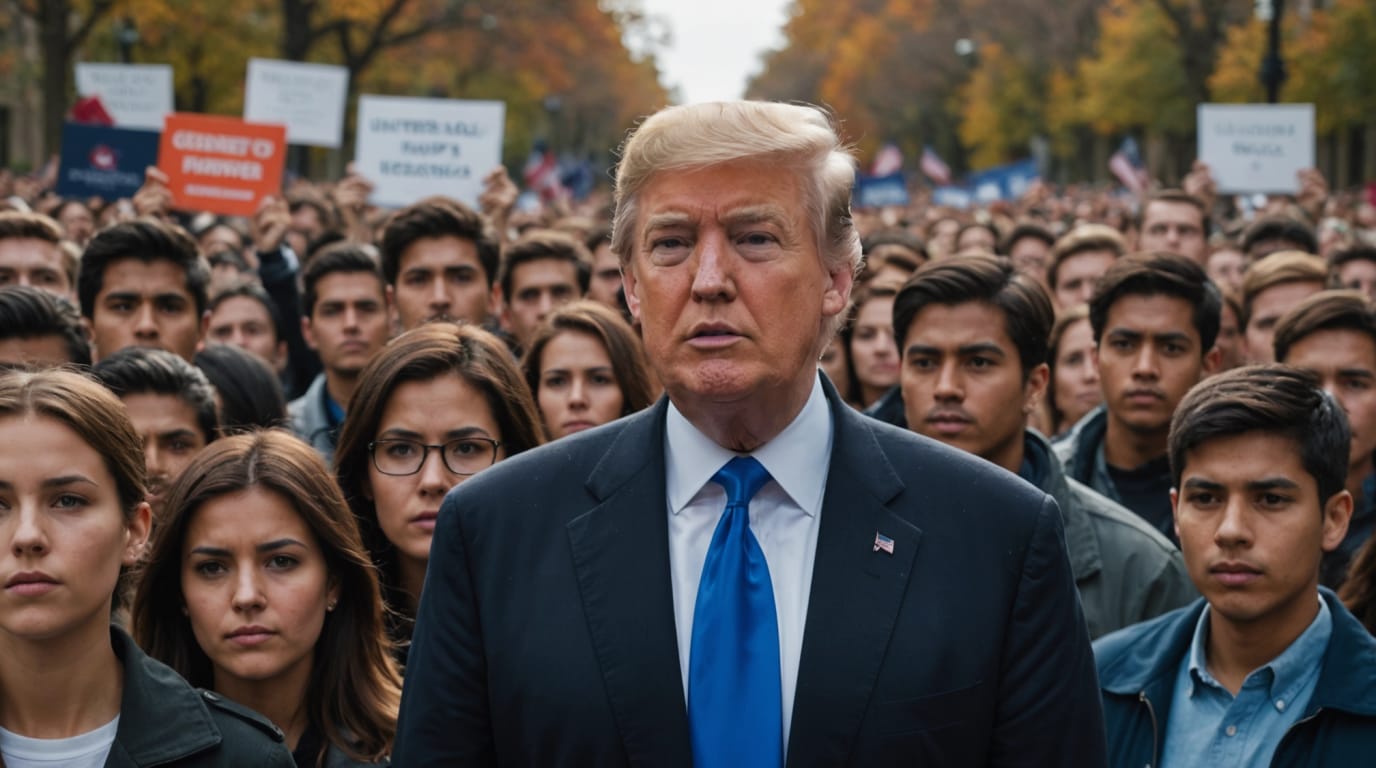
International students studying in the United States are facing increased uncertainty and anxiety as the Trump administration intensifies its scrutiny of student visas, leading to revocations and legal challenges. The administration's actions, aimed at curbing activities it deems problematic, particularly those related to pro-Palestinian activism and alleged antisemitism, have sparked widespread concern among students and university officials alike.
Visa Revocations and Legal Challenges
Over the past several weeks, more than 1,000 international students have had their visas revoked, according to Inside Higher Ed. These revocations have occurred across more than 30 states, impacting students at both private and public institutions, ranging from Harvard and Stanford to the University of Maryland and Ohio State University. The Trump administration is reportedly utilizing a foreign policy statute from 1952 to justify these cancellations.
The abrupt nature of these revocations has prompted several students to file lawsuits against the administration, alleging violations of due process. These students argue that the government has not provided adequate justification for the visa cancellations, leaving them in legal limbo and facing potential deportation.
Two Carnegie Mellon University graduate students recently testified in federal court, seeking to restore their student status after it was terminated. Their lawyer stated that the students had only minor brushes with the law, insufficient to warrant such drastic action. In New Hampshire, a federal judge issued a restraining order in the case of a Dartmouth College computer science student from China, Xiaotian Liu, whose status was terminated without clear explanation.
Focus on Pro-Palestinian Activism and Antisemitism
A significant number of visa revocations appear to be linked to students' involvement in pro-Palestinian activism on college campuses. The Trump administration has publicly stated its intention to crack down on what it considers antisemitism in universities, with some officials arguing that pro-Palestinian activism constitutes support for Hamas, a U.S.-designated terrorist organization.
In February 2025, the administration created a multi-agency task force to "root out antisemitism" and announced plans to visit ten college campuses that have experienced incidents of antisemitism. The Department of Homeland Security (DHS) has also stated that it will begin screening international students' social media for "antisemitic" content.
One prominent case involves Mahmoud Khalil, a Columbia University student involved in anti-Israel activity. A judge recently ruled that the government had met the burden of proof to deport Khalil, citing his involvement with certain organizations and his work with the United Nations Relief and Works Agency.
Universities and Advocates Respond
The Trump administration's actions have drawn criticism from university leaders and advocacy groups, who argue that the crackdown infringes on First Amendment rights, particularly regarding free speech. They also express concern that the administration is using vague justifications and new tactics to push international students out of the country.
Nafsa, a network of universities and individuals involved in international education and exchanges, has reported that many institutions remain unaware that their students have been affected by the visa revocations. This lack of transparency has made it difficult for universities to support their international students and address the underlying issues.
Some Republicans have also questioned the administration's approach. They argue that international students are "guests" in the U.S. and should be treated with respect and fairness.
The Government's Stance
Trump administration officials have defended the visa revocations, asserting that the government has the right to cancel visas when it deems necessary. Secretary of State Marco Rubio stated that visas are a "privilege, not a right," and that the U.S. government's security vetting does not end once a visa is granted.
Rubio argued that the Immigration and Nationality Act (INA) gives the administration the authority to revoke visas for individuals who endorse or espouse terrorist activity or support a terrorist organization. He accused international students of "harassing" Jewish students and shutting down elite college campuses for American citizens.
DHS officials have stated that they are committed to taking the necessary steps to stop these activities at American universities, citing two executive orders from Trump as the basis for their actions.
Impact on International Students and Higher Education
The increased scrutiny and visa revocations are creating a climate of fear and uncertainty among international students in the U.S. Many students are worried about expressing their political views or participating in campus activism, fearing that they could be targeted by the government.
This crackdown could also have a chilling effect on international student enrollment in U.S. universities. International students contribute significantly to the U.S. economy and enrich the academic environment. A decline in international student enrollment could harm U.S. universities and reduce the country's global competitiveness.
As the Trump administration continues its crackdown on immigration and campus activism, the future remains uncertain for international students in the United States. The legal challenges and public debate surrounding these policies are likely to continue in the coming months, shaping the landscape of international education in the U.S. for years to come.


