International Women's Day 2026: The Urgent Imperative for Workplace Equality
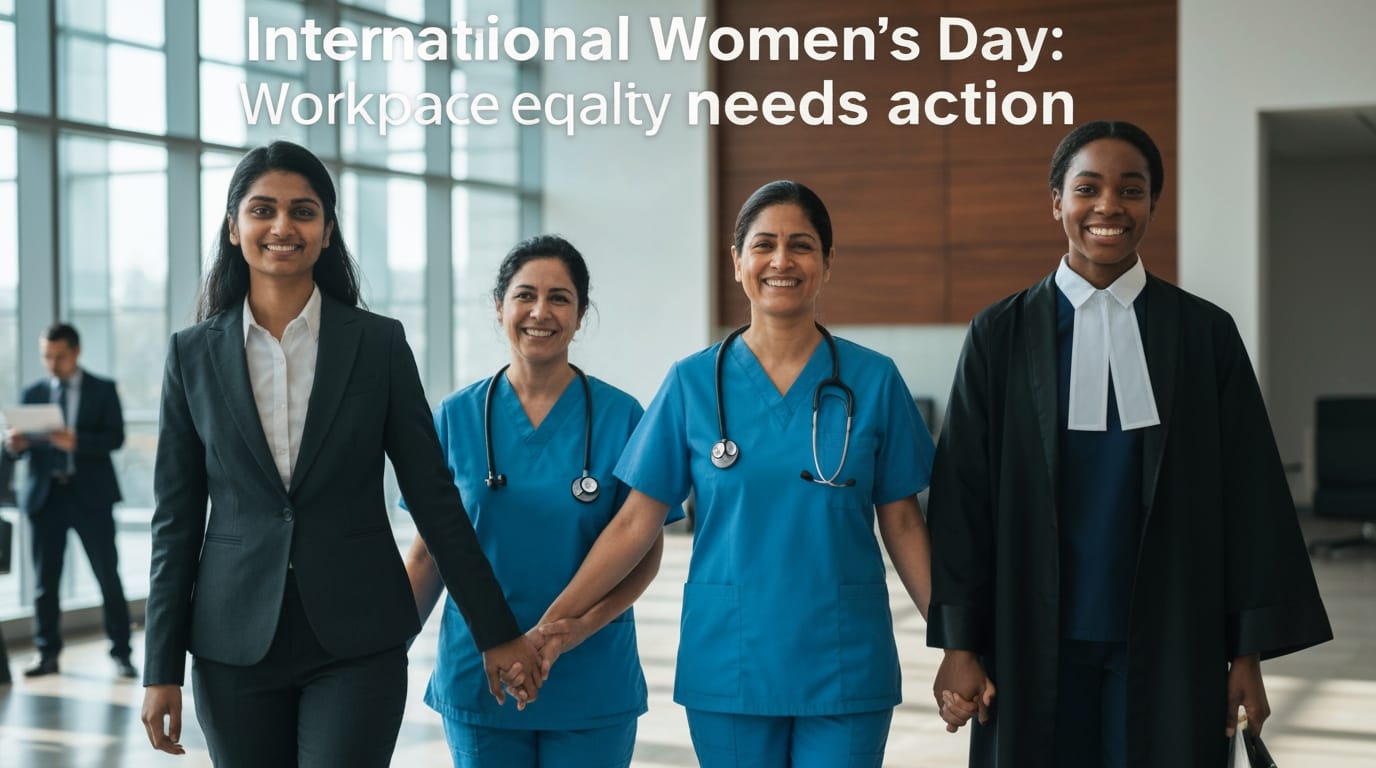
International Women's Day 2026 once again spotlights the persistent chasm of gender inequality in workplaces worldwide, serving as a stark reminder that while progress has been made, the journey toward true parity remains arduous and far from complete. Despite decades of advocacy and growing awareness, women continue to navigate systemic barriers, including significant pay disparities, underrepresentation in leadership, and ingrained biases, underscoring the critical need for accelerated and concrete action beyond mere recognition. The theme for this year's International Women's Day emphasizes that celebrating achievements must be inextricably linked with a robust call to action for gender equality, recognizing that equitable workplaces are not just a matter of fairness, but a fundamental driver of economic growth and societal well-being.
The current global landscape reveals a stubbornly uneven playing field for women in professional environments. Globally, women still earn considerably less than their male counterparts. In 2020, women worldwide earned approximately 81 cents for every U.S. dollar earned by men, a figure that, while improved from 74 cents in 2015, highlights a slow pace of change. As of 2023, this statistic showed women earning roughly 82 pence for every pound earned by men in some regions, a consistently low figure over time. Persistent pay disparities mean that among Gen Z job applicants, women can expect to earn about $6,000 less than men annually. For women of color, the gap is even more pronounced; in 2021, Hispanic or Latina women earned about 58 cents and Black women earned about 63 cents for every dollar white men earned.
Beyond remuneration, women face a significant leadership disparity. Just one in four C-suite leaders is a woman, and only one in 20 is a woman of color. Men hold 66 percent of management positions compared to 34 percent for women, a gap that widens significantly further up the corporate ladder. This underrepresentation is not merely a pipeline problem; research indicates that women often receive higher performance ratings but are 14% less likely to receive a promotion due to lower perceived potential, an illogical perception. Occupational segregation remains deeply entrenched, with only a quarter of people in Europe working in gender-mixed occupations. Women disproportionately shoulder high-pressure roles in sectors like healthcare and education, leading to higher emotional demands and work intensity. This burden, combined with societal expectations, contributes to women being 23% more likely to experience burnout than working fathers.
Numerous entrenched barriers continue to impede women's advancement in the workplace. Unconscious bias and gender stereotypes profoundly influence perceptions of women's capabilities, affecting recruitment, performance evaluations, and promotion opportunities. These biases can manifest in subtle ways, such as women being mistaken for someone more junior or their comments being dismissed, behaviors collectively known as micro-aggressions and everyday sexism. Workplace culture itself can be a significant hurdle, particularly in male-dominated industries where an organization's culture may be skewed.
The challenge of work-life balance remains particularly daunting for women, who often bear the majority of caregiving and domestic responsibilities. This "double burden" or "second shift" can lead women to choose part-time roles or lower-demand sectors to accommodate family needs, resulting in a persistent pay gap and smaller pensions over time. Moreover, maternity continues to be an area of disadvantage, with women of child-bearing age facing potential discrimination in recruitment and mishandling of flexible working requests upon return from leave. A lack of flexible work practices and affordable childcare further exacerbates these issues. Structural barriers, such as unequal access to sponsorship and elusive critical experiences like high-profile assignments, also hinder career progression, particularly at crucial stages.
The pursuit of workplace gender equality transcends ethical considerations; it is a profound business imperative with tangible benefits for organizations and economies. Companies with greater gender diversity are demonstrably more innovative and make better decisions. Those in the top quartile for gender diversity on executive teams are significantly more likely to outperform on profitability, with some studies showing a 21% to 27% greater likelihood compared to less diverse counterparts. Organizations with women in top positions are also 48% more likely to outperform those with minimal gender diversity. This diversity fuels creativity and allows companies to better serve diverse consumer bases. Furthermore, a culture of equality leads to higher employee satisfaction, improved retention, and increased productivity. Organizations that actively combat gender discrimination see measurable improvements across employee retention, decision-making quality, and financial performance.
Addressing these deeply entrenched issues requires a multi-faceted and proactive approach from all stakeholders. Leadership commitment and accountability are paramount, necessitating top-down support, clear measurable goals for gender diversity, and holding leaders accountable for progress. Closing the gender pay gap demands regular salary audits, pay transparency, and correcting any identified disparities. Employers should abandon the practice of using salary history, which perpetuates past discrimination, and instead use market research to determine fair compensation.
To boost women's representation in leadership, organizations must invest in mentorship programs, sponsorship initiatives, and leadership development. Transparent evaluation and promotion procedures, free from bias, are crucial to ensure women have an equal shot at advancement. Implementing supportive policies like flexible working arrangements, comprehensive and equal parental leave for all genders, and better access to childcare are essential for supporting work-life balance and reducing burnout, particularly among mothers.
Furthermore, tackling unconscious bias requires continuous education and training across all organizational levels, coupled with the use of skills-based assessments and structured interviews during recruitment to reduce bias. Fostering an inclusive culture with strong anti-harassment policies and open communication channels is vital to ensure all employees feel valued and respected. Finally, engaging men in the conversation and making them active participants in gender equality efforts is critical, as true inclusiveness benefits everyone.
International Women's Day 2026 serves as a powerful reminder that while conversations around gender equality have advanced, the time for passive recognition has passed. True workplace equality will not materialize through promises alone; it demands sustained, intentional action to dismantle systemic barriers, challenge ingrained biases, and create genuinely inclusive environments where all individuals can thrive. By investing time, resources, and influence in women and girls, communities, public services, and economies are strengthened, paving the way for a more equitable future.