Invisible Hand of Tradition: How Ancient Superstitions Shape Japan's Modern Real Estate Market
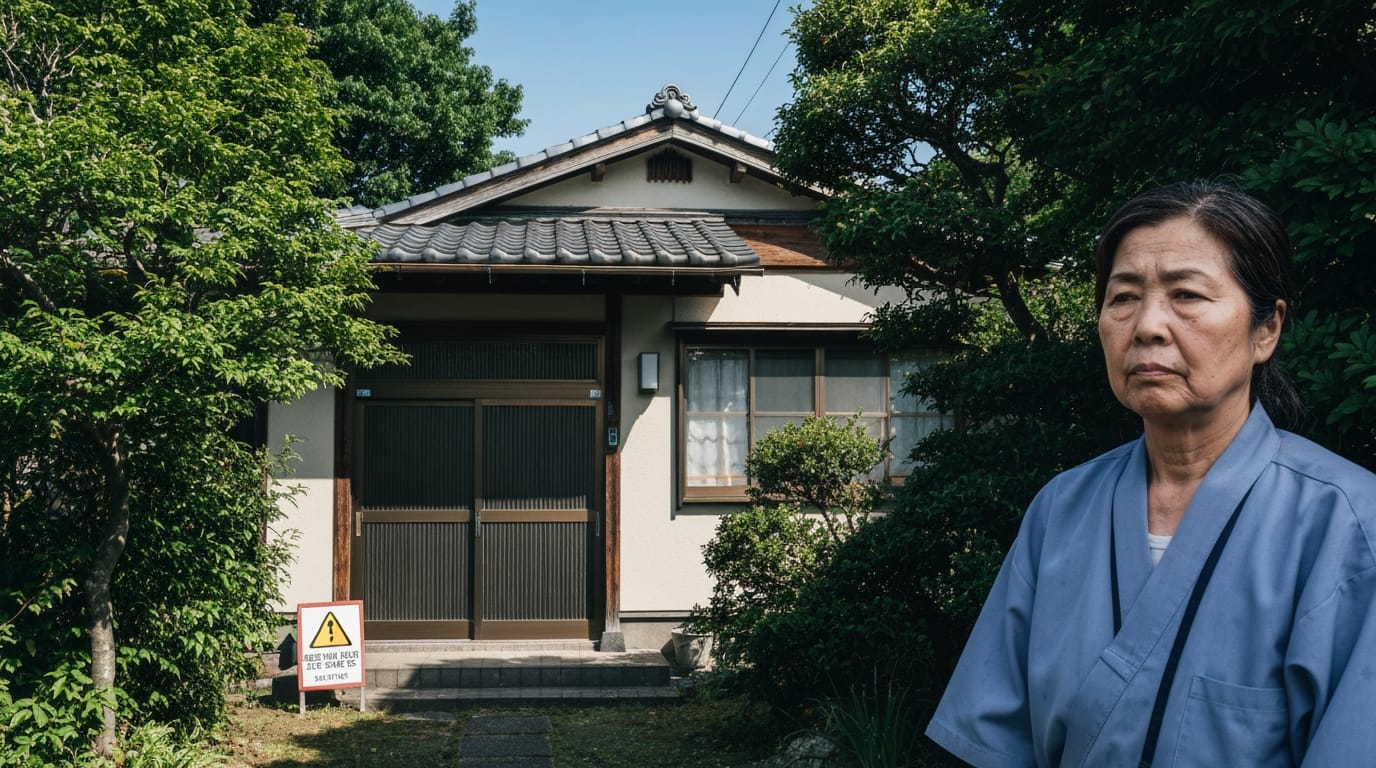
TOKYO – In a nation celebrated for its technological prowess and futuristic urban landscapes, ancient beliefs continue to exert a profound and often surprising influence on daily life, particularly within the seemingly pragmatic realm of real estate. From homes tainted by tragic events to properties deemed inauspicious by cosmic alignment, a complex web of superstitions creates unique challenges and opportunities in Japan's housing market, making some dwellings notoriously difficult to sell or rent. This cultural dynamic forces both sellers and buyers to navigate not only market forces but also an invisible topography of spiritual significance.
The bedrock of these real estate challenges often lies in the concept of jiko bukken (事故物件), or stigmatized properties. These are homes where "death other than natural or accidental death" has occurred, including suicides, murders, or even lonely deaths where bodies remained undiscovered for extended periods, necessitating special cleaning. The stigma attached to these properties is deeply rooted in a cultural belief that the spirits of those who died under tragic circumstances may linger, potentially bringing misfortune or discomfort to future occupants. This perception transforms what might be an otherwise desirable property into an object of widespread aversion among many Japanese buyers and renters.
The financial repercussions for jiko bukken are substantial. Such properties are frequently sold or rented at significantly reduced prices, often discounted by 20 to 50 percent compared to similar, unstigmatized homes in the same area. Despite these considerable price reductions, they can remain vacant for extended periods due to the persistent psychological discomfort associated with their past. This phenomenon is further exacerbated by Japan's aging and increasingly isolated society, which contributes to a rising number of lonely deaths, inadvertently increasing the supply of jiko bukken. Real estate agents are legally obligated to disclose "important matters," including unnatural deaths, to prospective tenants for a period, though this disclosure can sometimes be subtle, using euphemisms like "notification item". Despite the stigma, some foreign investors and less superstitious individuals are drawn to these properties, viewing them as lucrative opportunities for a good deal. There are even services designed to "de-stigmatize" these homes, with individuals reportedly paid to spend a night in a jiko bukken to "prove there are no ghosts".
Beyond the tangible history of jiko bukken, ancient geomantic principles also cast a long shadow over property desirability. The kimon (鬼門), or "demon gate," designates the northeast direction as inauspicious, believed to be a pathway for malevolent spirits and misfortune, encompassing accidents, illness, and poverty. Its counterpart, ura-kimon (裏鬼門), the southwest, is similarly regarded as unlucky. These beliefs stem from onmyōdō, an East Asian yin-yang philosophy introduced to Japan centuries ago, and have practical origins linked to climate, such as avoiding cold northeast winds or excessive southwest sun in traditional wooden homes.
Consequently, the layout and orientation of homes are critical considerations for many. Traditional guidelines dictate avoiding entrances, water facilities like toilets and bathrooms, and even bedrooms in the kimon (northeast) direction. The ura-kimon (southwest) is similarly deemed unsuitable for living rooms or sleeping areas, with storage rooms being preferred for minimal occupancy. While younger generations may be less stringent in their adherence, the influence persists, with older Japanese often well-versed in these architectural caveats. Cities like Kyoto even had temples strategically placed in their northeast to act as spiritual guardians against negative influences. Even today, some homes integrate a kamidana, a household shrine, within the kimon corner, believing it helps block malevolent energy.
Numerology also plays a significant, albeit subtle, role in Japan's real estate and broader cultural landscape. The number four, pronounced "shi," is a homophone for "death" (死), rendering it highly unlucky. Similarly, the number nine, pronounced "ku," sounds like "suffering" or "agony" (苦), leading to its avoidance. This aversion is evident in the common practice of omitting the 4th and 9th floors in buildings, hospitals, and hotels, often replacing them with designations like "3A" or simply skipping them entirely. Specific numerical combinations, such as 42 (sounding like "to death") and 49 (sounding like "to run over"), are also widely avoided, extending to vehicle license plates and even room numbers in specialized facilities like maternity wards, where room 43 (sounding like "stillbirth") is typically absent.
To counteract perceived negative energies and ensure prosperity, Shinto rituals are deeply embedded in the construction and occupancy of homes. The jichinsai (地鎮祭), a groundbreaking ceremony, is considered an almost indispensable ritual before any new construction begins. Performed by a Shinto priest, this ceremony purifies the land, appeases local kami (deities), and seeks blessings for a safe construction process and the future occupants' well-being. It typically involves offerings of sake, rice, and salt, along with symbolic groundbreaking actions. A related ritual, the joto-shiki, marks the completion of a building's framework, sometimes involving the symbolic sprinkling of sake from the roof. Furthermore, house purification ceremonies (kanai anzen or ke harae shiki) are often recommended before moving into an existing home, especially an older one, to cleanse it of accumulated "pollution" (kegare) and invite protective kami. Even if younger generations may participate more out of cultural custom than fervent belief, these rituals persist as crucial elements in ensuring peace of mind for property owners and residents.
In conclusion, Japan's real estate market offers a fascinating study in the enduring power of cultural and spiritual beliefs in a modern economy. The presence of jiko bukken, the adherence to geomantic principles like kimon, the careful avoidance of unlucky numbers, and the widespread practice of purification rituals underscore a unique societal characteristic. While economic pressures and globalization introduce new perspectives, the deep-seated respect for tradition ensures that the "invisible hand" of superstition continues to guide decisions in acquiring and inhabiting property, creating a distinct and often complex landscape for Japan's homes.