Iran Cautions Against Hasty Deal Amid Complex Nuclear Talks, Citing Major Sticking Points
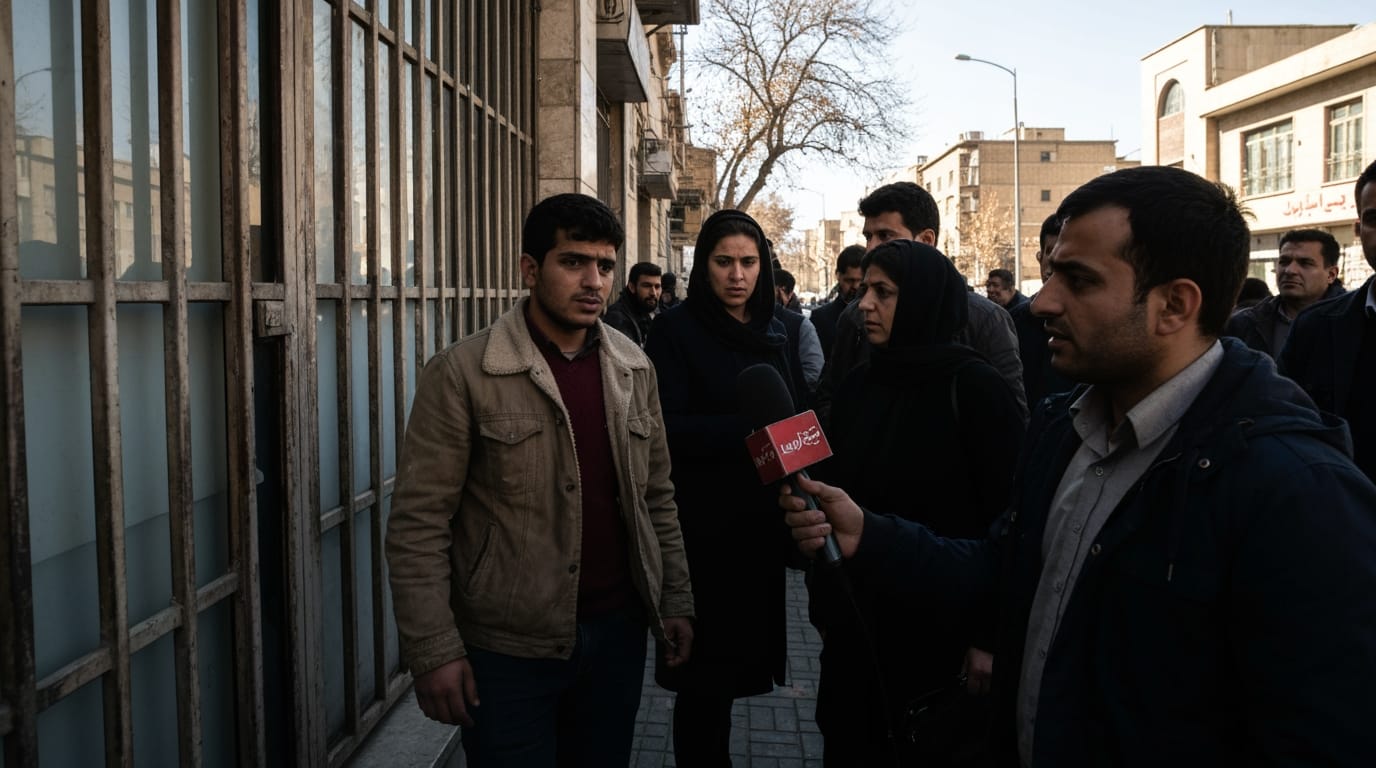
TEHRAN — Despite recent indications of a potential diplomatic breakthrough and progress on certain fronts, Iran has declared that a comprehensive agreement regarding its nuclear program and the ongoing regional conflict is not yet imminent. While a framework understanding with the United States has reportedly begun to take shape, Tehran remains cautious, emphasizing that significant obstacles persist and no final deal is close to being signed. The assertion from Iranian officials serves as a tempering of expectations following recent optimistic statements from various international actors, highlighting the deep-seated complexities and lingering mistrust that continue to plague negotiations.
The Current Diplomatic Crossroads
Recent weeks have seen a flurry of diplomatic activity, culminating in reports of a potential memorandum of understanding (MOU) comprising 14 clauses between Iran and the United States, largely facilitated by Pakistani mediation. This reported framework includes a temporary 60-day ceasefire extension, a crucial step aimed at de-escalating the broader Middle East conflict. Furthermore, the draft understanding suggests the reopening of the vital Strait of Hormuz, a critical chokepoint for global energy supplies, and the possibility for Iran to resume unrestricted oil sales. These elements, if solidified, could offer significant relief to global oil markets and ease regional tensions that have been heightened by a naval blockade and military confrontations.
However, Iranian Foreign Ministry officials have underscored that while technical teams have made headway on several discussion topics, these developments do not equate to an impending agreement. Statements from Tehran indicate a pragmatic approach, focusing on securing national interests while navigating a landscape marked by perceived inconsistencies in the positions of negotiating partners. The current focus for Iran, as communicated by its diplomatic channels, is primarily on achieving a lasting end to the broader conflict rather than solely on the nuclear file, a notable shift in stated priorities.
The Enduring Nuclear Impasse
At the heart of the protracted negotiations lies Iran's nuclear program, which remains the most contentious issue. International Atomic Energy Agency (IAEA) reports indicate that Iran possesses a substantial stockpile of uranium enriched to 60% purity, a level considered a short technical step away from weapons-grade material. The IAEA’s confidential report in May 2025 noted over 400 kg of 60% enriched uranium, marking a nearly 50% increase in recent months.
The United States has consistently demanded that Iran surrender this highly enriched uranium, proposing its disposal either through dilution or transfer to a third country, with Russia having offered to facilitate such a transfer. However, Iranian officials have not publicly committed to relinquishing their uranium stockpile and reportedly believe that discussions on its disposition are to be deferred until after sanctions relief is secured. This divergence represents a critical hurdle, as Washington has explicitly tied broader sanctions relief to Tehran's willingness to address its enriched uranium reserves. Adding to the complexity, the IAEA has repeatedly raised concerns about Iran's lack of cooperation in resolving long-standing questions regarding past undeclared nuclear activities, indicating significant verification challenges for any future accord.
Sanctions, Sovereignty, and Regional Tensions
Beyond the nuclear dossier, the intertwined issues of economic sanctions, sovereign control over strategic waterways, and regional stability present additional layers of complexity. Iran has been subjected to extensive US sanctions since 1979, with renewed and expanded measures implemented after the US withdrawal from the Joint Comprehensive Plan of Action (JCPOA) in 2018. These sanctions have severely impacted Iran's economy, leading to inflation and a volatile currency. A primary Iranian demand in the current negotiations is the lifting of these debilitating sanctions and the unfreezing of billions of dollars in assets. While some US officials have hinted at potential sanctions waivers, the full scope and timing of such relief remain fiercely contested and cautious on the American side.
The Strait of Hormuz, a critical maritime passage, has also emerged as a point of contention. While reports suggest an agreement to reopen the strait is part of the framework, Iran maintains that its management falls under the purview of coastal nations and has alluded to potential "shipping fees" or a "price boost" for services rather than tolls. This stands in contrast to calls from European Union leaders, who, while welcoming progress, insist on toll-free freedom of navigation through the strait.
Regionally, Iran has made it clear that any comprehensive agreement must encompass an end to conflict on all fronts, including in Lebanon, where it supports Hezbollah. This position clashes with the United States' continued support for Israeli operations targeting Hezbollah, underscoring the deep geopolitical divides that extend beyond the nuclear question. The ongoing hostilities, including the US-Israel strikes on Iranian nuclear sites in June 2025 and subsequent Iranian retaliatory measures, highlight the volatile backdrop against which these delicate negotiations are taking place.
A History of Mistrust and the Path Forward
The current negotiations are heavily influenced by the historical context of the 2015 JCPOA, which saw Iran agree to limit its nuclear program in exchange for sanctions relief. The subsequent unilateral withdrawal of the United States from the deal in 2018 under the previous Trump administration significantly eroded trust and led Iran to progressively reduce its compliance with the agreement, accelerating its uranium enrichment and limiting IAEA access. This cycle of mistrust and escalation underscores the challenges in achieving a durable resolution.
Iranian officials have expressed deep skepticism regarding the reliability of the United States as a negotiating partner, citing a history of shifting political stances. This deep-seated distrust means that any new agreement will require robust guarantees and concrete mechanisms to ensure compliance from all parties. While President Trump has instructed his representatives not to rush, asserting that time is on the US side, the protracted nature of the talks and the conflicting signals from both sides highlight the immense diplomatic effort still required.
The prospect of a lasting peace remains uncertain. While a framework for de-escalation appears to be in place, the core disagreements over Iran's nuclear capabilities, the scope of sanctions relief, and regional security arrangements continue to cast a long shadow. The international community, including European powers, Russia, and Bahrain, remains engaged, recognizing the critical importance of a diplomatic resolution for global stability and economic security. However, until these fundamental sticking points are definitively addressed, the pathway to a comprehensive and enduring deal will likely remain fraught with challenges.


