Iran Faces Dual Crisis: Widespread Internet Blackouts Compound Impact of US-Israeli Strikes
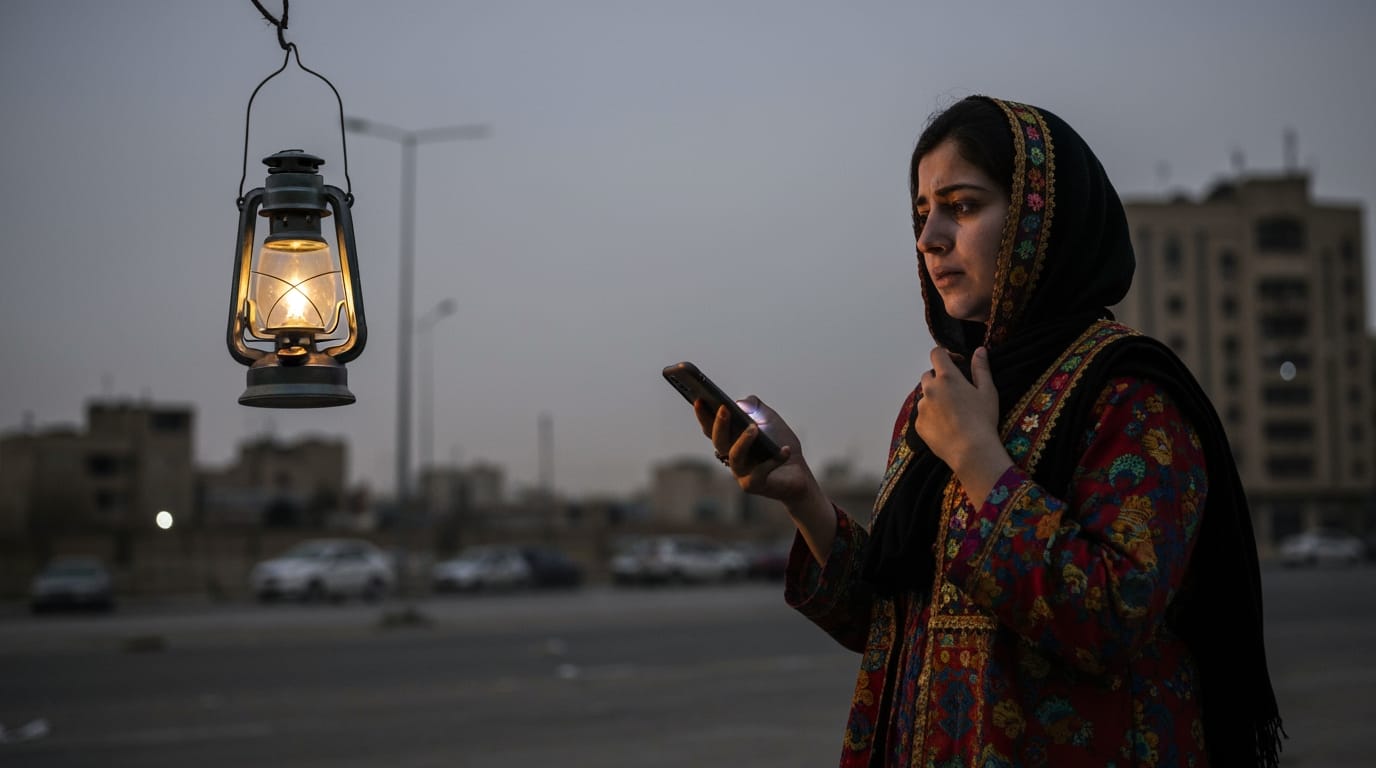
Tehran, Iran – Iranians are grappling with an unprecedented dual crisis as widespread internet blackouts coincide with intensifying US-Israeli military strikes and subsequent Iranian retaliation across the region. This convergence of digital isolation and armed conflict has plunged the nation into a period of acute uncertainty, severely impacting daily life, the economy, and access to crucial information, according to reports from late February and early March 2026. The blackouts, primarily initiated by Iranian authorities, have drawn sharp criticism from human rights organizations, who warn of a growing humanitarian toll amid escalating regional tensions.
The Digital Iron Curtain Descends Across Iran
Beginning on February 28, 2026, internet connectivity across Iran plummeted to as low as 4% of normal levels, marking a near-total blackout that significantly curtailed communication and access to the global internet for millions of citizens. This drastic reduction in online access followed closely on the heels of joint US-Israeli military operations targeting Iranian sites, prompting immediate concerns that the internet shutdown was a deliberate government measure to control the flow of information during a critical period of conflict.
Internet monitoring groups, including NetBlocks, confirmed the precipitous drop in connectivity, observing that the incident mirrored tactics used during previous periods of unrest and conflict. Human Rights Watch explicitly stated that Iranian authorities should immediately end these communications restrictions, which place civilians at heightened risk. Experts note that while some infrastructure may have been damaged, external data strongly suggests the shutdown itself is government-initiated. This latest blackout represents the longest continuous internet disruption in Iran to date, exacerbating an already fragile information environment. Access to vital tools like Starlink satellite systems has also been targeted, with reports of satellite signal jamming and efforts to seize dishes, further isolating the populace.
Escalating Skies: US-Israeli Strikes and Regional Retaliation
The internet blackouts unfolded concurrently with a "massive attack" on Iran by the United States and Israel, which commenced in late February 2026. These strikes reportedly targeted Iranian leadership, nuclear facilities, ballistic missile sites, and other military installations, with some analyses suggesting an ambitious US objective of regime change. Strikes hit multiple Iranian cities, including Tehran, Isfahan, Qom, and Tabriz, placing hospitals on alert.
Iran swiftly retaliated, launching a series of missile and drone strikes across the wider region. These counter-attacks targeted US military bases and civilian infrastructure in several Gulf countries, including Bahrain, Kuwait, Saudi Arabia, the United Arab Emirates, and Qatar, as well as Israel itself. On March 1, nine Israelis were killed and dozens injured in an Iranian ballistic missile strike outside Jerusalem. The retaliatory strikes also caused significant disruptions, including damage to terminals at major air hubs like Dubai International Airport, and the closure of airspace across the Gulf, leading to thousands of flight cancellations. Furthermore, Iran reportedly closed the strategic Strait of Hormuz, a critical chokepoint for global oil trade, leading to immediate concerns about oil price hikes. The escalation has transformed long-standing tensions into open warfare, with profound geopolitical and economic implications for the entire Middle East.
A Nation Isolated: The Human and Economic Cost
The dual pressures of military conflict and digital blackout have inflicted a severe human and economic toll on the Iranian populace. For ordinary Iranians, the internet shutdown means being cut off from essential information regarding safety measures, emergency services, and the ability to contact loved ones during a period of intense military activity. Human rights groups emphasize that internet shutdowns during conflicts violate international human rights law, particularly the right to freedom of expression and access to information. The inability to communicate or verify the safety of family members, both within Iran and abroad, has created immense psychological distress and anxiety.
Economically, the blackouts have been devastating. Estimates place the daily cost to Iran's economy at tens of millions of dollars, with figures ranging from over $20 million to as much as $60 million per day. Digital sectors, online businesses, and services heavily reliant on global connectivity have been particularly hard hit, with online sales plummeting and many businesses forced to suspend operations. The disruption has extended to everyday transactions, making basic online banking unreliable and crippling services like ride-sharing and food delivery. Beyond the blackouts, the military strikes themselves have resulted in casualties and damage to infrastructure, impacting civilian areas and further destabilizing economic activities. Reports indicate hundreds of lives have been lost in the conflict.
Geopolitical Fallout and the Information Void
The combination of internet blackouts and military action has created a complex and perilous information void. With communications severely restricted, verifying events on the ground, assessing the scale of damage, and documenting human rights abuses becomes increasingly difficult for international observers and media. Human rights organizations fear that the blackouts could be used to conceal atrocities and a government crackdown on protests that have also been occurring.
The conflict itself represents a significant geopolitical shift. The US-Israeli strikes and Iran's retaliatory actions have disrupted a fragile regional equilibrium, raising the prospect of a wider regional conflict with global reverberations. The targeting of civilian infrastructure in Gulf states by Iran has exposed the vulnerability of these nations, potentially prompting a strategic reassessment in the region. International bodies and human rights organizations have expressed alarm, urging all warring parties to respect international humanitarian law and ensure independent investigations into all violations, particularly given the dual risks faced by Iranian civilians caught between hostilities and repression.
Conclusion: A Nation Under Duress
The current predicament for Iranians is one of extreme duress, characterized by both external military pressures and internal suppression of fundamental freedoms. The deliberate and widespread internet blackouts, occurring simultaneously with US-Israeli military strikes and Iran's regional retaliation, have created an environment where citizens struggle to access information, communicate with loved ones, and maintain their livelihoods. This confluence of events not only signifies a profound humanitarian crisis but also marks a critical juncture in the Middle East, with long-lasting implications for regional stability, global energy markets, and human rights. As the conflict continues and digital isolation persists, the full extent of the suffering and the long-term consequences for the Iranian people remain to be seen, obscured by the very information void that has been imposed upon them.


