Iran Faces Mounting Condemnation Amid Surge in Executions Amidst Regional Tensions
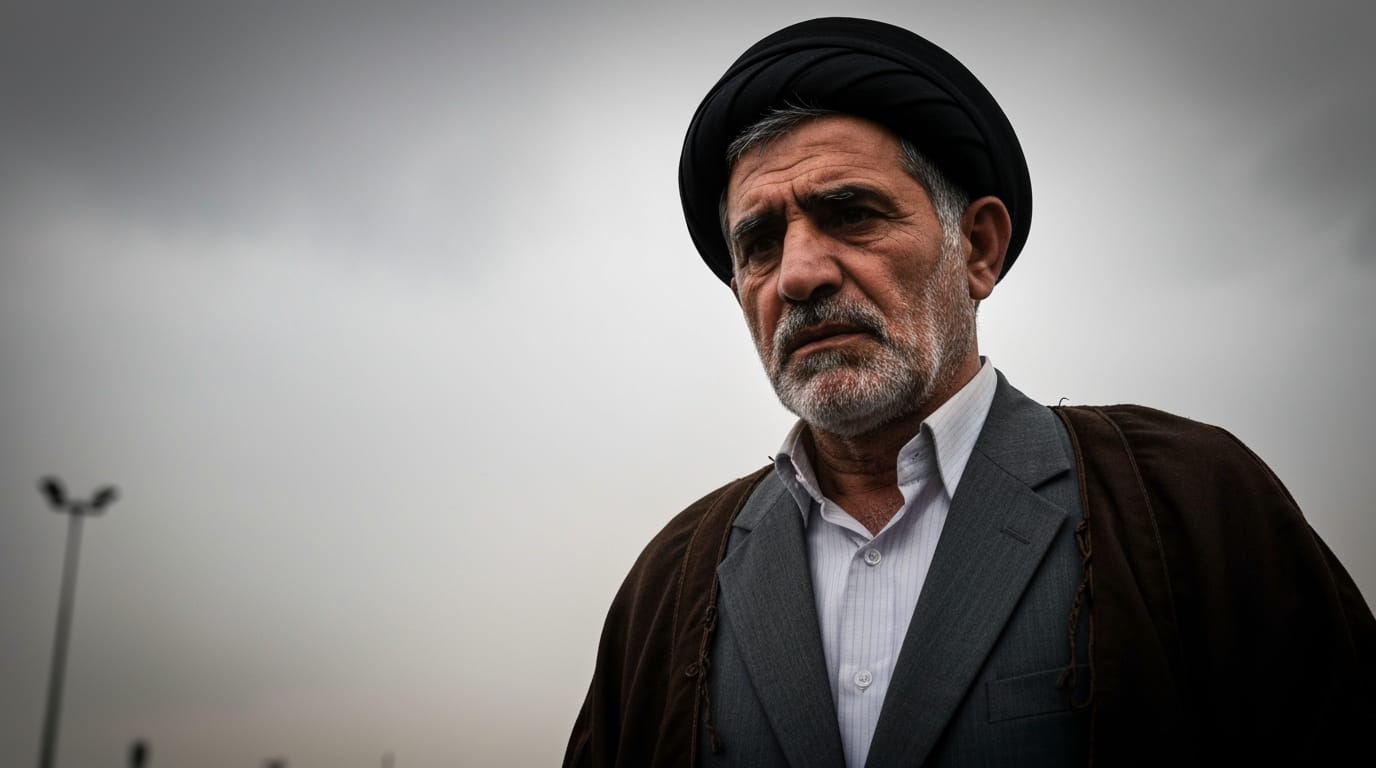
Iran is experiencing a dramatic escalation in its use of capital punishment, with human rights organizations and the United Nations reporting a significant increase in executions throughout 2024 and 2025, continuing into early 2026. This surge coincides with heightened geopolitical tensions in the Middle East, including the Israel-Hamas conflict and direct Israeli airstrikes on Iranian territory, which critics suggest the Iranian government is exploiting to solidify internal control and suppress dissent. The overwhelming majority of these executions involve drug-related offenses, political charges, and security-related accusations, often following trials marred by severe due process violations and allegations of torture-induced confessions.
Escalating Use of Capital Punishment
The scale of executions in Iran has reached alarming levels, with figures indicating a troubling upward trajectory. In 2023, at least 853 people were executed, marking an eight-year high and a 48% increase from 2022. This upward trend continued, with at least 975 people executed in 2024, the highest number reported since 2015. Human Rights Activists in Iran (HRA) reported a staggering 1,537 executions between October 2024 and October 2025, representing an 86.07% increase compared to the previous year and the highest figure in a decade. The Abdorrahman Boroumand Center for Human Rights in Iran reported over 2,000 executions by the end of December 2025, the highest known number since the late 1980s. The first three months of 2025 alone saw at least 106 people executed for drug-related offenses, comprising 46% of all executions that year.
A significant portion of these executions targets drug-related offenses. In 2023, over half of all recorded executions were for drug crimes, with at least 481 individuals executed on such charges. This trend continued in 2024, where at least 503 people (51.6% of all executions) were executed for drug-related charges, a marked increase from previous years. By 2025, over half of the recorded executions were for drug offenses, often following systematically unfair trials with defendants denied legal representation and confessions allegedly extracted under torture. International law only permits the death penalty for the "most serious crimes," generally understood as intentional killing, and only after fair trials, conditions which human rights experts assert are not met in Iran's drug-related cases. The Iranian legal system's interpretation of "Anti-Narcotics Law" allows for the death penalty for possession or trafficking of even small quantities of drugs, and it can be imposed with public execution at the discretion of authorities.
Regional Tensions as a Catalyst for Internal Repression
The escalating rate of executions is occurring amidst a volatile geopolitical environment, with human rights organizations suggesting that Iran's government is leveraging regional conflicts to intensify internal repression. Following the outbreak of the Israel-Hamas war in October 2023, human rights groups observed an alarming rise in executions, with over 127 people executed between the Hamas attacks of October 7 and early December 2023. Activists have accused the regime of using the global focus on the war in Gaza as a cover to suppress dissent and carry out executions without due judicial process.
Further amplifying this trend, the Independent UN Fact-Finding Mission investigating alleged rights abuses in Iran noted a "surge in repression and extraordinary spike in executions" after Israeli airstrikes hit Iran in June 2025. This period saw a significant increase in executions, coinciding with what some sources refer to as a "war with Israel," during which Tehran accused individuals of collaborating with the Jewish state. Judiciary Chief Gholam-Hossein Mohseni-Eje'i affirmed a decisive and legal approach to alleged spies, indicating the government's intent to deal harshly with such cases. Experts warn that the conflict has provided the Islamic Republic with an opportunity to covertly intensify repression and instill fear, thus preempting potential internal unrest.
Targeting Dissent and Minorities
The death penalty in Iran is not solely applied to drug offenses; it is also increasingly utilized as a tool of political repression and ethnic suppression. Ethnic minorities, particularly Baluchis and Kurds, are disproportionately affected. Despite comprising only about 5% of Iran's population, the Baluch minority accounted for 29% of drug-related executions in 2023. In 2024, at least 108 Baluchi and 84 Kurdish prisoners were executed, representing 11% and 9% of the total, respectively.
The authorities have also targeted individuals involved in protests. Following the "Woman, Life, Freedom" uprising of 2022, the state's response hardened, with the death penalty increasingly used to stifle political opposition. Many were arrested, subjected to torture, and forced into confessions, leading to death sentences based on vague and politicized charges such as "moharebeh" (waging war against God) and "baghi" (rebellion). In early 2026, amid widespread demonstrations, security forces responded with mass arrests and a coordinated crackdown. At least 145 people were confirmed killed in 2026, with over 400 additional executions reported but unverified. Recent executions include men accused of attempting to storm military sites during January 2026 protests and those charged with "armed rebellion" and membership in opposition groups. Human rights groups assert that these trials are grossly unfair, often relying on forced confessions, and accuse the authorities of deliberately weaponizing the death penalty to instill fear and suppress dissent.
International Condemnation and Calls for Action
The alarming rise in executions and the systematic human rights violations have drawn strong condemnation from the international community. The United Nations High Commissioner for Human Rights, Volker Türk, expressed deep concern over the marked increase in executions, urging Iran to halt all further executions and impose a moratorium on the death penalty. UN human rights experts have repeatedly highlighted that many executions violate international human rights standards due to lack of fair trials, use of torture, and imposition of the death penalty for crimes not considered "most serious".
Amnesty International, Human Rights Watch, and other human rights organizations have consistently reported on the abysmal human rights record in Iran, emphasizing the lack of transparency, the high number of unannounced executions, and the disproportionate impact on marginalized communities. These organizations have called for urgent international action to pressure Iranian authorities for an immediate moratorium on all executions and to ensure that international investigative and accountability mechanisms remain in place. The UN Human Rights Council has convened special sessions to address the situation, calling for transparency in judicial processes and warning against further executions. Despite these urgent appeals, reports indicate that Iran's judicial and security apparatus continues to exploit regional tensions to pursue a strategy of "physical elimination of political opponents" within the country's prisons, often characterized by rushed executions and flagrant violations of legal rights.
Conclusion
The surge in executions in Iran represents a deepening human rights crisis, exacerbated by regional instability and geopolitical tensions. While the Iranian government maintains these measures are necessary for national security and order, international observers and human rights advocates argue they constitute a systematic campaign of repression. The dramatic increase in death sentences, particularly for drug-related offenses and political charges, coupled with persistent concerns over fair trial standards and the treatment of ethnic minorities, underscores a profound disregard for international human rights obligations. As external conflicts continue to draw global attention, human rights organizations emphasize the critical need for sustained international pressure to address this escalating crisis and prevent further loss of life in Iran's prisons.


