Iran Faces Unprecedented Internal Crisis as U.S. Ramps Up Military Presence in Middle East
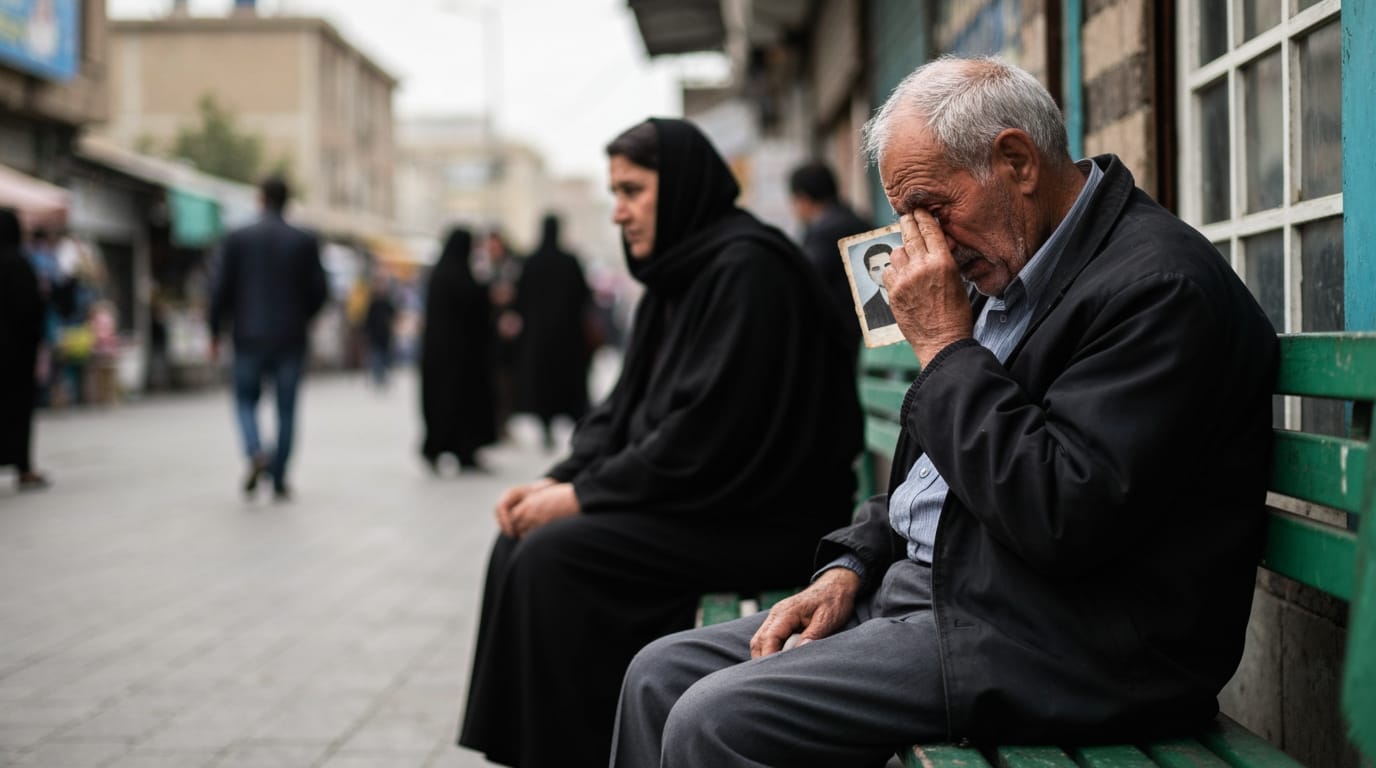
DUBAI, United Arab Emirates – A grim and rapidly escalating internal crisis in Iran, marked by an unprecedented surge in protester fatalities, is unfolding simultaneously with a significant increase in U.S. military readiness exercises across the Middle East. Reports from multiple sources indicate that the death toll from a recent two-day government crackdown on nationwide protests in Iran could be in the tens of thousands, dwarfing previous estimates and creating a humanitarian catastrophe that is drawing intense international scrutiny, even as the United States projects military power in the volatile region.
The Unfolding Humanitarian Crisis: A Staggering Death Toll
The scale of the recent crackdown on anti-government protests in Iran has revealed a level of state violence against its own citizens that some observers deem unprecedented in the Islamic Republic's history. Information obtained and published by Iran International, citing classified documents and field reports, indicates that Iranian authorities killed more than 36,500 people over a 48-hour period during a national uprising on January 8 and 9. This figure represents an astonishing casualty rate, equivalent to approximately 18,250 deaths per day, 760 per hour, or one person killed every five seconds, surpassing even some of the deadliest episodes of state violence and full-scale wars globally.
These shocking figures are corroborated by sources within Iran's own health ministry. Two senior officials from the Iranian Ministry of Health reportedly told TIME magazine that as many as 30,000 people could have been killed in the streets on January 8 and 9 alone. The officials described how the sheer volume of fatalities overwhelmed the state's capacity to manage the dead, leading to the exhaustion of body bag supplies and the use of eighteen-wheel semi-trailers in place of ambulances.
In contrast to these alarming reports, the official Iranian government death toll remains significantly lower at 3,117, with 2,427 identified as civilians and security forces, and the remainder categorized as "terrorists." Human rights organizations, however, have provided their own grim accounting. The U.S.-based Human Rights Activists News Agency (HRANA) has confirmed at least 6,159 deaths, which includes protesters, government-affiliated forces, children, and other civilians. HRANA's methodology relies on a network of activists within Iran to verify each death, and their figures have historically proven accurate during past periods of unrest. The organization also noted that nearly 20,000 additional potential deaths are currently under investigation.
Beyond the raw numbers, chilling details have emerged regarding the nature of the crackdown. Reports suggest that Iran's Supreme Leader Ayatollah Ali Khamenei issued orders to the Supreme National Security Council to "crush the protests by any means necessary," reportedly instructing security forces to "shoot to kill and to show no mercy." Accounts from medical staff and images from morgues have also indicated instances of extrajudicial executions, including "finishing shots" fired at wounded patients who were undergoing medical treatment in hospitals.
Roots of the Uprising and the Regime's Iron Fist
The widespread protests that ignited this crisis began on December 28, initially spurred by a significant depreciation of the Iranian currency, the rial. The economic grievances quickly broadened into calls for fundamental political change and an end to the current regime. These demonstrations rapidly spread across numerous cities and towns throughout the country.
The Iranian government's response has been characterized by an iron fist, aiming to suppress dissent through severe force and information control. In addition to the direct use of lethal force, authorities implemented comprehensive internet blackouts and wireless signal blockades to censor and stifle the protests, particularly in urban centers like Tehran. These measures have made it exceedingly difficult for accurate information to emerge from the country and for activists to coordinate. Beyond the high death toll, tens of thousands of Iranians have been arrested, raising fears among international human rights advocates about their fate and the potential for further executions.
U.S. Military Posturing Amidst Heightened Regional Tensions
In parallel with the worsening internal situation in Iran, the United States has demonstrably increased its military presence and operational readiness in the Middle East. The U.S. Air Force announced that it will conduct a multi-day readiness exercise across the US Central Command (CENTCOM) area of responsibility. This exercise, led by the Ninth Air Force (Air Forces Central), is designed to evaluate and enhance the military's ability to deploy, disperse, and sustain combat aircraft across the vast region.
The stated objectives of the exercise include validating procedures for the rapid movement of aircraft and personnel, practicing dispersed operations from contingency locations, and sustaining missions with a minimal logistical footprint. U.S. officials emphasize that these drills are carried out with host-nation approval and in close coordination with civilian and military aviation authorities, highlighting safety and respect for sovereignty.
Compounding this show of force, the USS Abraham Lincoln aircraft carrier and its accompanying strike group have arrived in the Middle East. This deployment significantly boosts the U.S.'s available firepower and defensive capabilities in the region. The movements are occurring amidst considerable speculation regarding potential U.S. military action against Iran, particularly following the brutal crackdown on Iranian protesters.
President Donald Trump has previously issued stern warnings to Tehran, articulating "red lines" for potential military intervention. These include the mass killing of peaceful demonstrators and the execution of individuals arrested during the protests. While President Trump has also expressed openness to negotiations, the deployment of significant military assets underscores a heightened state of alert and a clear message to the Iranian regime. In response, Iran's Revolutionary Guard commander has issued a defiant statement, warning that his force is "more ready than ever, finger on the trigger."
The U.S. Central Command (CENTCOM) also engages in Military Information Support Operations (MISO), which are described as high-impact and low-cost investments aimed at deterring aggression, countering destabilizing behavior, and influencing adversarial decision-making, with Iran specifically named as a state actor of concern.
A Region on Edge: Implications for Stability
The convergence of Iran's internal upheaval and the overt display of U.S. military power creates a profoundly unstable situation in a region already prone to volatility. The humanitarian crisis in Iran, characterized by a staggering and deeply disturbing loss of life, has elicited calls from the international community for accountability and a cessation of violence.
The U.S. military exercises serve as both a deterrent and a demonstration of capability, signaling Washington's preparedness to respond to various contingencies. The deployment of an aircraft carrier strike group, combined with extensive air force readiness drills, underscores the gravity of the situation and the potential for rapid escalation. The ongoing tensions place the entire Middle East on edge, with global implications for oil markets, international diplomacy, and regional security alliances. The coming days and weeks will be critical in determining whether the internal repression in Iran and the external pressures from the U.S. will lead to further conflict or a pathway toward de-escalation and accountability for the severe human rights abuses.


