Iran Grapples with Looming Fuel Crisis as Gas Price Hike Signals Dire Economic Straits
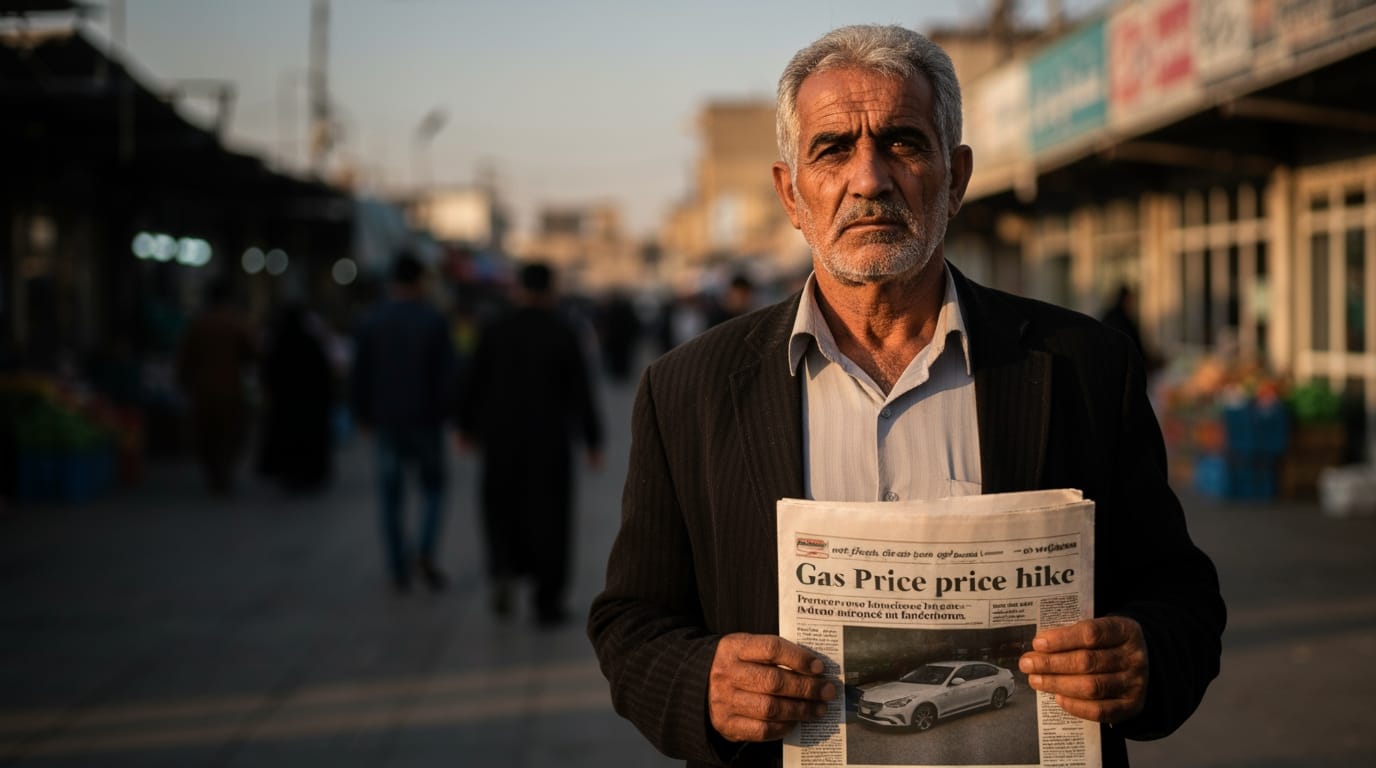
TEHRAN — Iran's government is signaling an impending increase in domestic gasoline prices, a move that underscores the nation's severe and escalating fuel crisis. This potential price hike arrives amidst widespread energy shortages, dilapidated infrastructure, and intense economic pressure, presenting Tehran with a familiar and precarious dilemma: the necessity of economic reform versus the palpable risk of widespread public unrest. The decision comes against a backdrop of international sanctions and an ongoing war with a U.S.-Israel coalition, further complicating the country's economic landscape.
The Unsustainable Burden of Subsidies
Iran, a nation possessing some of the world's largest oil and natural gas reserves, paradoxically struggles with chronic energy shortages. A primary driver of this crisis is the nation's extensive system of energy subsidies, which makes gasoline one of the cheapest commodities in the world. The country reportedly spends approximately $80 billion annually on energy subsidies, a figure that represents about one-fifth of its entire economy. This level of subsidy means Iranian citizens pay drastically less for fuel, with a liter of gasoline costing around 1/50th of the global average.
While intended to ease the financial burden on citizens, these deeply entrenched subsidies have fostered rampant overuse, waste, and a lucrative black market for smuggling. Estimates suggest that between 20 and 35 million liters of gasoline are smuggled out of Iran daily, diverting a significant portion of subsidized fuel from its intended beneficiaries and further straining the national budget. The low prices also exacerbate demand, contributing to a daily gasoline shortfall estimated to be between 20 and 30 million liters, with consumption often nearing 135 million liters against a production of approximately 105 million liters. This structural imbalance highlights a long-standing problem intensified by current geopolitical tensions.
Infrastructure in Decay and War's Exacerbating Impact
Decades of international sanctions and chronic underinvestment have left Iran's vital energy infrastructure in a state of disrepair. Refineries and power plants operate below capacity, unable to meet the nation's burgeoning energy demands. This has resulted in frequent power outages and disruptions to natural gas supplies, particularly severe during peak seasons like winter cold snaps when temperatures can trigger a substantial increase in gas usage.
The ongoing conflict with the U.S.-Israel coalition has compounded these existing vulnerabilities. The war has reportedly led to a significant reduction in Iran's natural gas production capacity, with daily losses estimated between 230 and 450 million cubic meters. This reduced gas availability directly impacts the supply of feedstock to refineries and fuel to power plants, leading to deeper electricity shortfalls. Consequently, Iranian officials have issued public appeals for reduced energy consumption, warning of potential power outages and the necessity of managing electricity during extreme weather conditions. The war's broader global impact, including the closure of the Strait of Hormuz, has also disrupted international oil supplies and driven up global prices, further pressuring Iran's internal economic calculations.
The Perilous Path of Price Adjustments: A History of Unrest
The Iranian government is acutely aware of the social and political risks associated with raising fuel prices. The memory of the nationwide protests in November 2019 serves as a stark reminder of the potential for public outrage. At that time, a sudden 50-200% increase in gasoline prices, coupled with a rationing scheme, ignited widespread demonstrations across more than 100 cities. The government's response involved a severe crackdown, including an internet blackout, which resulted in hundreds of deaths and thousands of arrests.
This historical precedent has created a formidable dilemma for the current administration. While economic experts and government officials acknowledge the necessity of reform to curb unsustainable spending and combat smuggling, the fear of rekindling social unrest looms large. Previous attempts to adjust fuel prices, such as the introduction of a new tiered pricing system in December 2025, which saw prices increase by up to 200% for consumption beyond a certain quota, have been carefully managed to avoid triggering similar widespread anger. However, these incremental changes have not been sufficient to address the underlying structural issues.
Economic Fallout and Social Inequality
The financial strain imposed by fuel subsidies is immense, contributing significantly to Iran's budget deficit. The government frequently justifies price adjustments as a means to reduce this deficit, reallocate resources to other vital sectors, and improve energy efficiency. However, past reforms have often failed to achieve meaningful structural change, with new resources frequently absorbed into current expenditures and short-term financial challenges.
Moreover, the argument that subsidies benefit lower-income groups is often contested. Studies indicate that the lowest-income deciles consume only a small fraction (7-10%) of the total energy subsidies, while wealthier households, with higher consumption patterns, reap disproportionately larger benefits. Any significant price increase would inevitably lead to further inflationary pressure, potentially increasing by as much as 5% for every 10,000-rial jump in gasoline prices, thereby disproportionately affecting the most vulnerable populations. Beyond the pump, the energy crisis has tangible human costs, including industrial shutdowns, job losses, and the spoilage of agricultural products due to power outages, impacting hundreds of thousands of workers.
An Uncertain Future
As Iran's government navigates this multifaceted crisis, the path forward remains fraught with challenges. The imperative to rein in unsustainable subsidies and modernize its energy sector is clear, yet the specter of public discontent, fueled by economic hardship and historical grievances, makes any significant policy shift politically perilous. With outdated infrastructure, rampant consumption, and the added strain of international conflict, Iran faces an increasingly dire fuel crisis with no easy solutions on the horizon. The delicate balance between economic stability and social peace will define the government's next moves as it confronts the critical need for energy reform.


