Iran Gripped by Uneasy Calm Following Deadly Anti-Regime Protests
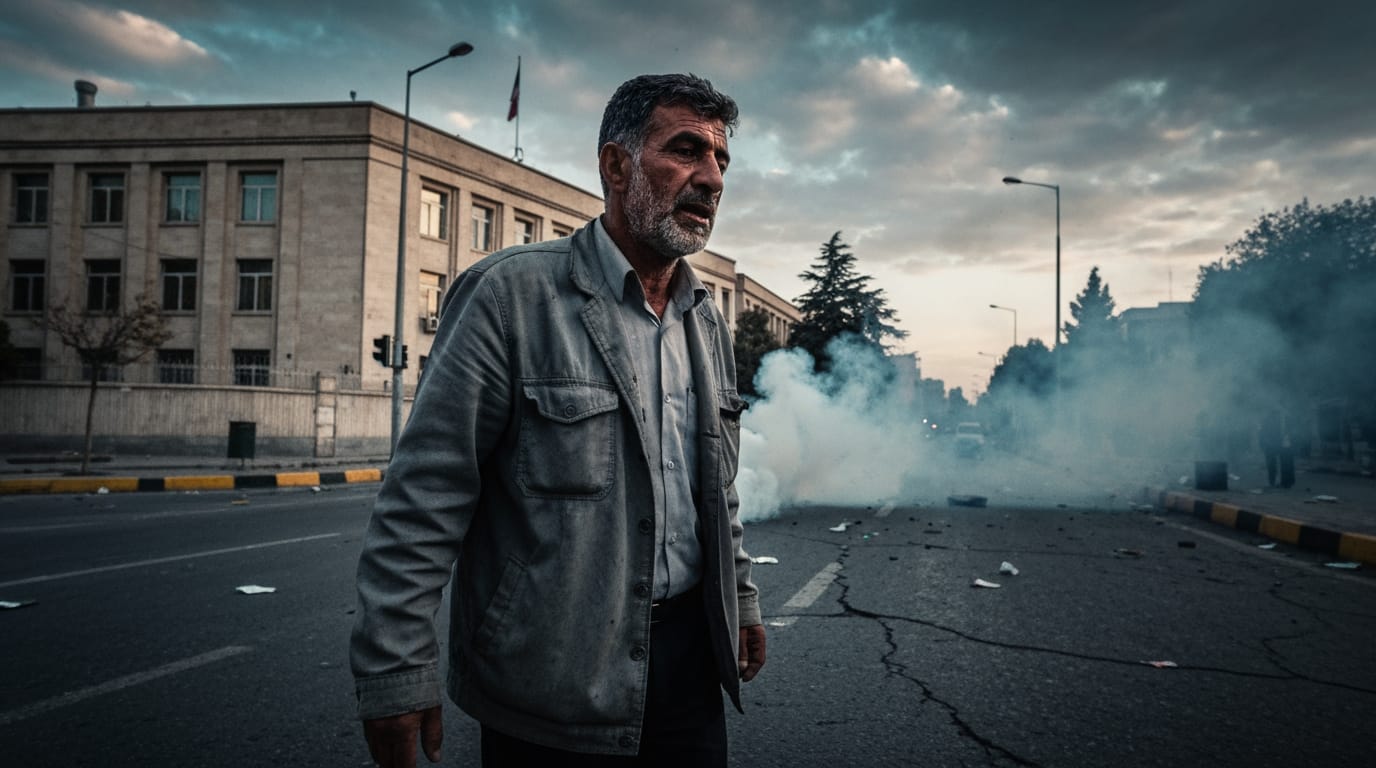
TEHRAN – An uneasy calm has descended across Iran, following weeks of deadly anti-regime protests that saw widespread unrest and a brutal security crackdown. While the visible signs of dissent have largely receded under the heavy hand of state security forces, the underlying grievances that ignited the demonstrations remain, pointing to a deeply fractured society and an uncertain future for the Islamic Republic. The recent upheaval, stemming from deep-seated economic frustrations, quickly escalated into calls for fundamental change, posing one of the most significant challenges to the ruling establishment in decades.
The Spark of Dissent and Rapid Escalation
The wave of protests, which began in late December 2025, initially emerged from widespread economic grievances and staggering hyperinflation, conditions exacerbated by persistent Western sanctions. However, the demonstrations swiftly morphed beyond economic discontent, transforming into an overt movement demanding regime change and an end to the Islamic Republic itself. The unrest spread rapidly, engulfing more than 100 locations across 22 of Iran’s 31 provinces. While the scale of these protests might not have matched the widespread mobilizations seen in 2022 following the death of Mahsa Amini or the 2019 fuel price protests, the reported death toll from the recent clashes is said to exceed any other round of unrest in decades, drawing unsettling parallels to the chaos that surrounded Iran's 1979 Islamic Revolution. This rapid escalation underscored the profound disillusionment among segments of the Iranian population with the current political and economic trajectory of the country.
A Swift and Brutal Security Response
In response to the burgeoning protests, Iranian security forces implemented a sweeping and often violent crackdown. Reports indicate that security personnel used live fire against demonstrators, contributing to a high number of casualties. Conflicting figures on the death toll emerged, with Iran International reporting at least 12,000 fatalities nationwide, and CBS News, citing an Iranian official, suggesting a potential death toll as high as 20,000. However, Tehran authorities dismissed these figures as propaganda from "Mossad-backed" media. Conversely, the U.S.-based Human Rights Activists News Agency reported a more conservative, yet still significant, figure of at least 2,677 deaths.
The crackdown extended beyond the streets into medical facilities, with reports detailing armed security forces surrounding hospitals in cities such as Karaj. Witnesses and medical workers described instances where injured protesters were removed from hospitals to undisclosed locations, and in some harrowing accounts, "finishing shots" were reportedly fired at wounded individuals left behind. Similar measures, including heavily securitized hospitals and pressure on staff to prioritize security personnel over protesters, were reported in Bojnourd and Ilam. Beyond hospitals, plainclothes security forces and members of the Revolutionary Guards reportedly raided the homes of families of slain protesters in eastern Tehran, intimidating them and compelling them to conduct quick and private burials to avoid collective interments. The widespread deployment of police and military units, along with ubiquitous patrols and checkpoints, particularly in major urban centers like Tehran, effectively imposed what residents described as a "de facto curfew," leading to quieter streets and numerous shop closures.
Unrest Beneath the Surface: The Uneasy Calm
Despite the intense security measures, an "uneasy calm" now prevails across Iran, according to residents in various cities. The cessation of protest videos and the fading sound of gunfire in the capital signal a significant slowdown in overt demonstrations under the weight of the state's heavy security presence. Iranian authorities have sought to project an image of control, maintaining that calm has been restored after a brief but intense period of unrest. The official narrative continues to attribute the violence to foreign enemies, specifically Israel and the United States, accusing them of fueling the dissent.
However, reports from within Iran suggest potential foreign involvement on the government's side as well. Residents in Sanandaj noted an expanded security presence, including personnel who reportedly spoke Arabic rather than Persian. There were also allegations that forces affiliated with the Islamic Revolutionary Guard Corps, including Afghan and Iraqi recruits, had been mobilized in specific locations, such as a mosque in Tehran's Gholhak district, though Iranian authorities have not commented on these claims. Internationally, the events triggered widespread concern, with the UN Security Council holding an emergency meeting at the request of the United States to discuss the deadly protests. Several nations also reacted to the escalating tensions; the United Kingdom and New Zealand temporarily closed their embassies in Tehran, advising their citizens to leave the country. Canada's Foreign Affairs Minister condemned the violence, asserting that a Canadian citizen had died "at the hands of the Iranian authorities". Meanwhile, President Trump issued a warning of potential U.S. intervention should Iran "violently kill peaceful protesters". In response, an adviser to Iran's Supreme Leader cautioned that Iran would retaliate with strikes on U.S. bases if the United States were to target Iran. The United States has since taken precautionary military steps, including withdrawing some personnel from its Middle East bases, amidst the heightened regional tensions.
Economic Woes and the Regime's Stability
At the heart of the protests lie persistent economic grievances, exacerbated by years of staggering hyperinflation and the impact of international sanctions. These deep-seated economic issues continue to fuel public discontent and pose a significant challenge to the regime's long-term stability. Adding to the concerns, the U.S. Treasury reported that leaders in Tehran were wiring substantial sums of money out of Iran, a potential sign of diminishing confidence within the ruling elite. Despite the government's efforts to project control, the recent unrest has been widely characterized as the most serious in decades, placing immense pressure on the leadership to address both the immediate economic crisis and the broader calls for reform. The regime's ability to navigate these multifaceted challenges will undoubtedly determine the trajectory of the nation in the coming months and years.
The current "uneasy calm" across Iran is a fragile state, built on the suppression of public dissent rather than the resolution of underlying tensions. While the streets may be quieter and the visible protests quelled, the deep-seated economic hardship, widespread dissatisfaction, and the memory of the recent violent crackdown linger. The government's heavy-handed response has temporarily stifled opposition, but it has likely also deepened public resentment. As international scrutiny remains high and internal pressures persist, Iran stands at a critical juncture, with the potential for future unrest remaining a significant concern for both its leadership and the global community.