Iran Gripped by Unrest as Economic Protests Turn Deadly, Claims At Least Three Lives
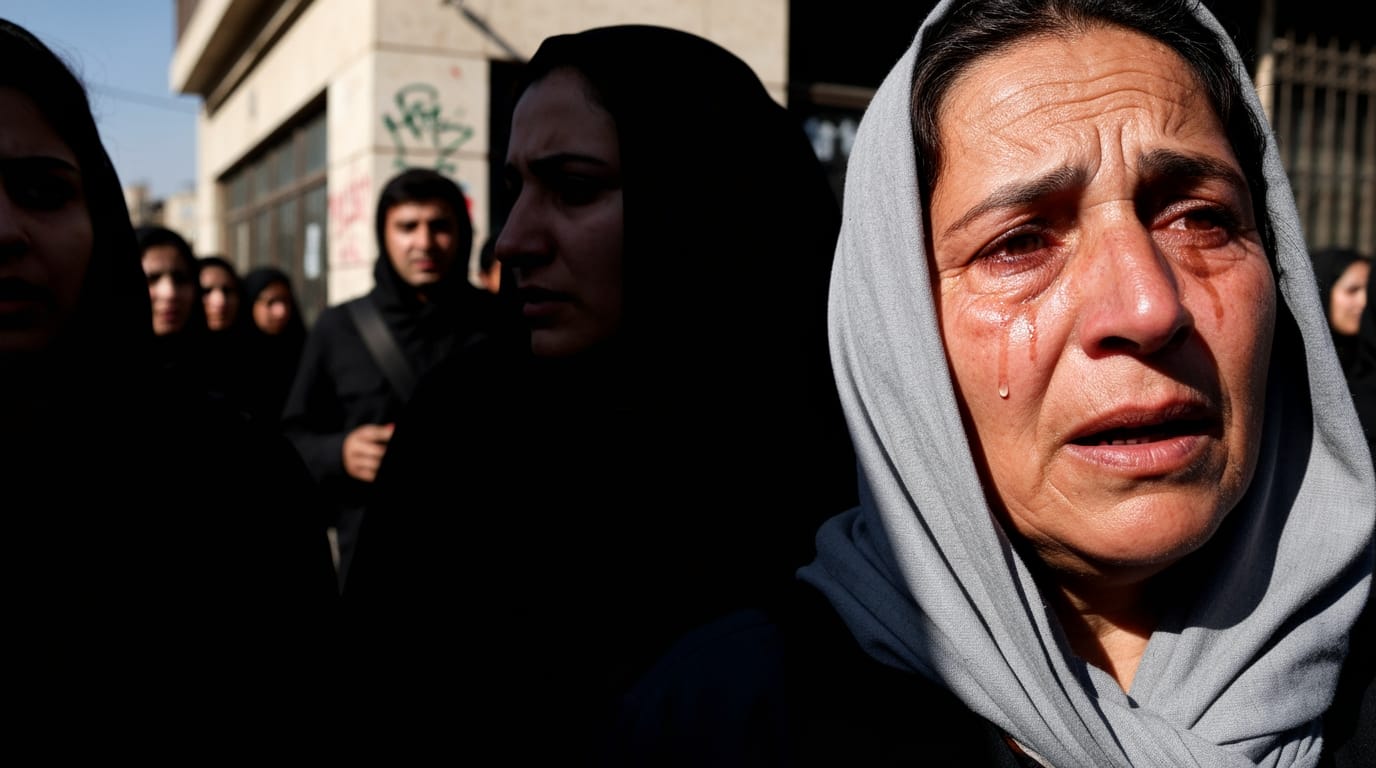
Tehran, Iran – Widespread protests fueled by Iran’s ailing economy have escalated across the country, resulting in at least three reported deaths as demonstrators clash with security forces. The unrest, initially sparked by soaring inflation and a depreciating national currency, began in the bustling markets of Tehran and rapidly spread to rural provinces and university campuses, signaling a deepening crisis for the Islamic Republic.
The latest wave of demonstrations, which intensified in the final days of December 2025 and continued into the New Year, underscore profound public discontent over persistent economic hardships. Authorities have confirmed fatalities among both protesters and security personnel, raising fears of a more severe crackdown as the government struggles to contain the burgeoning movement.
Economic Woes Ignite a Nation in Protest
The genesis of the current unrest can be traced to Iran’s severe economic downturn. A crippling 40% inflation rate, coupled with the Iranian rial plummeting to a historic low of 1.42 million against the U.S. dollar, has severely eroded the purchasing power of ordinary citizens. This economic distress initially manifested as strikes by shopkeepers in Tehran’s Grand Bazaar and mobile phone market, who shuttered their businesses in protest of unsustainable costs and diminished trade.
These localized grievances quickly transcended economic complaints, evolving into broader anti-government sentiments. The initial calls for economic relief soon morphed into chants critical of the ruling system itself, as citizens voiced their frustration with what they perceive as systemic mismanagement and corruption.
The protests took a tragic turn as violence erupted. In the southwestern city of Lordegan, located in Chaharmahal and Bakhtiari province, at least two civilians were killed on Thursday during clashes between demonstrators and security forces. The Washington-based Abdorrahman Boroumand Center for Human Rights in Iran identified these individuals as protesters, with online videos from Lordegan reportedly capturing the sound of gunfire amidst the demonstrations. Separately, a member of Iran’s Basij paramilitary force was killed overnight in Kouhdasht, Lorestan Province, marking a fatality within the security apparatus as well. This surge in casualties has underscored the volatile nature of the demonstrations and the readiness of both sides to confront one another.
Spreading Discontent Beyond the Capital
What began as localized economic protests in Tehran swiftly metastasized into a nationwide phenomenon, engulfing diverse regions of Iran. Beyond the capital, reports emerged of demonstrations in several rural provinces and cities, including Esfahan, Dehloran, Baghmalek, Nahavand, Asadabad, Hamadan, and Babol. This geographical spread indicates a pervasive sense of disaffection that extends far beyond the urban centers typically associated with political activism.
Students at more than ten universities, including some of Iran's most prestigious institutions, also joined the fray, holding rallies and expressing solidarity with the protesters. Their involvement adds another layer of significance to the current movement, recalling the pivotal role student activism has played in past periods of Iranian unrest. Demonstrators adopted a range of slogans, from direct calls against the current government to echoes of pro-monarchy sentiments, showcasing the diverse ideological undercurrents within the protest movement. In some instances, protesters reportedly damaged government buildings and confronted security forces directly, with incidents of rock-throwing and setting fires to public property documented by semi-official news agencies. The sheer breadth of these protests, from commercial districts to university grounds and provincial towns, highlights the depth of public anger.
Tehran's Measured and Mixed Response
The Iranian government's response to the escalating protests has been notably varied, attempting to balance calls for order with a degree of conciliation, particularly in contrast to previous crackdowns. While initial reports indicated the use of tear gas and arrests to disperse crowds, statements from high-ranking officials suggest an acknowledgment of the underlying grievances.
Prosecutor General Mohammad Movahedi-Azad conceded that "peaceful livelihood protests are part of social and understandable realities" but simultaneously issued a stern warning against any attempts to create instability or implement "externally designed scenarios." This dual approach seeks to legitimize some aspects of public discontent while also signaling a firm stance against any perceived foreign interference, with Iranian authorities specifically accusing Israel's Mossad intelligence agency of attempting to incite unrest.
President Masoud Pezeshkian adopted a more conciliatory tone, publicly stating that protesters do not require a permit to express their concerns and instructing the interior minister to heed their "legitimate demands." In a move aimed at addressing the economic crisis, a new central bank governor, Abdolnasser Hemmati, was appointed, who promptly vowed to tackle inflation and rectify banking irregularities. Furthermore, in an unusual concession, the heads of campus security at several universities were dismissed for "misconduct and failure to properly handle recent student protests," and some detained students were subsequently released. Notably, Iranian state media has reported on the unrest, and internet access has largely remained unrestricted, a departure from the communication blackouts imposed during earlier protest waves. This nuanced response suggests a governmental strategy aimed at de-escalation while maintaining control.
Echoes of Past Unrest and Uncertain Future
The current demonstrations represent the largest wave of protests in Iran since the widespread unrest following the death of Mahsa Amini in 2022. While the Mahsa Amini protests were primarily triggered by issues of women's rights and compulsory hijab laws, leading to hundreds of deaths, the present movement is rooted in acute economic desperation. However, both events underscore a persistent pattern of public frustration with the Iranian establishment. Previous significant protests also occurred in 2019, ignited by a sudden increase in fuel prices.
Human rights organizations have voiced alarm over the fatalities and the potential for a harsher state response, while international bodies have called for investigations into allegations of excessive force. The underlying issues of a struggling economy, exacerbated by international sanctions, and simmering social discontent continue to pose significant challenges to Iran's internal stability. Prominent figures, including top Sunni cleric Molavi Abdolhamid and acclaimed filmmaker Jafar Panahi, have publicly linked the ongoing revolt to dire living conditions, underscoring the deep-seated nature of the public's grievances.
As the protests continue to unfold, the dual pressures of economic hardship and public demand for change present a formidable test for the Iranian government. The initial conciliatory gestures, coupled with stern warnings, illustrate a delicate balancing act. However, with at least three lives already lost and discontent spreading, the path forward remains fraught with uncertainty, highlighting the profound human cost and the fragile state of affairs within the Islamic Republic.


