Iran Intensifies Arrests Amid Fears of Renewed Protests
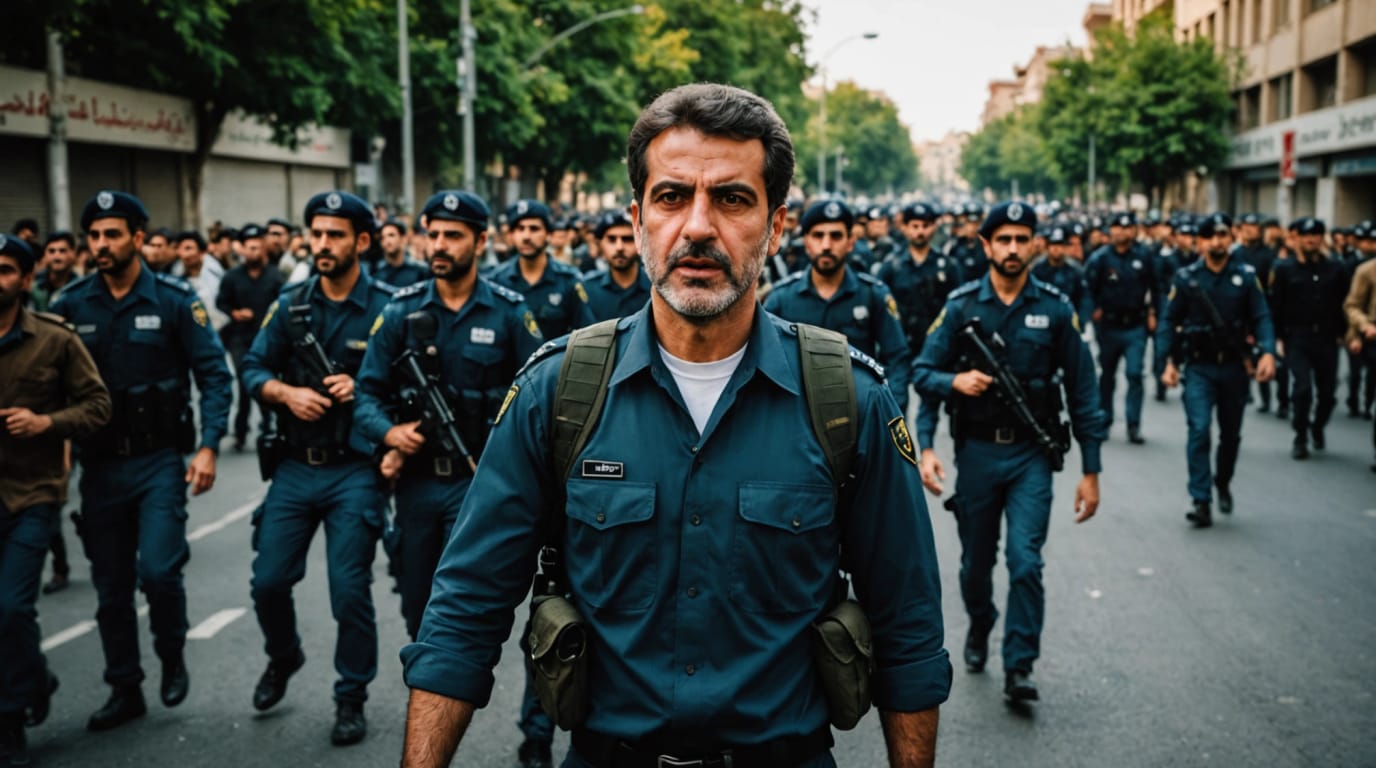
TEHRAN, Iran – The Iranian government has reportedly initiated a new wave of arrests, raising concerns about a potential crackdown on dissent ahead of anticipated protests. The move comes as the Islamic Republic faces persistent economic woes and social unrest, fueled in part by the aftermath of the 2022 "Woman, Life, Freedom" protests.
Background: The 2022 Protests and Their Aftermath
The recent wave of arrests is taking place against the backdrop of the widespread protests that erupted in September 2022 following the death of Mahsa Amini, a 22-year-old woman who died in the custody of Iran's morality police. Amini had been detained for allegedly violating the country's strict dress code for women.
The protests quickly spread across the country, evolving into a broader expression of discontent with the government's policies, economic hardship, and lack of social freedoms. The government responded with a heavy-handed crackdown, resulting in thousands of arrests and numerous deaths.
While the intensity of the protests subsided over time, the underlying grievances remain, and sporadic demonstrations continue to occur. The government's recent actions suggest a heightened level of concern about the potential for renewed unrest.
Arrests Target Family Members and Activists
Reports indicate that the recent arrests have targeted not only individuals directly involved in protests but also family members of those killed, executed, or imprisoned during the 2022 protests. Human Rights Watch reported in September 2024 that Iranian authorities have been arresting, threatening, or harassing family members of dozens of people affected by the crackdown.
In one instance, security forces raided the home of Siavash Soltani, the son of Kobri Sheikha Saqqaa, who was killed in the October 2022 protests in Mahabad, and violently arrested Soltani without a warrant. Raana Kourkour was arrested in her home after criticizing the government for sentencing her brother to death.
These actions are seen as an attempt to silence those who are seeking accountability for alleged government abuses and to deter others from speaking out.
Scope of the Crackdown
The full extent of the recent arrests is difficult to ascertain due to a lack of transparency from the Iranian government. However, available information suggests that the crackdown is widespread and affects various segments of society.
In November 2022, the head of Tehran Province's judiciary said that it had issued around 1,000 indictments against those arrested related to protests. An informal network of activists inside Iran reported that intelligence agencies had arrested 130 human rights defenders, 38 women rights defenders, 36 political activists, 19 lawyers, and 38 journalists.
The arrests have also extended to university students, with reports of security forces attacking university campuses and detaining students. Dozens of public figures who supported the protests, including directors, actors, singers, and football players, have reportedly been summoned, interrogated, or had their passports confiscated.
Government Justification and International Response
The Iranian government has justified the arrests by accusing those detained of undermining national security and spreading propaganda against the state. Authorities have also accused some individuals of "corruption on earth," a charge that can carry the death penalty.
In March 2023, Iran announced that the country's supreme leader had pardoned more than 22,000 people arrested in the recent anti-government protests. However, there was no immediate independent confirmation of the mass release.
International human rights organizations have condemned the arrests and called on the Iranian government to respect the rights of its citizens to freedom of expression and assembly. They have also expressed concern about the due process rights of those detained and reports of torture and ill-treatment in prisons.
Implications and Future Outlook
The recent wave of arrests in Iran has significant implications for the country's human rights situation and political stability. The crackdown is likely to further stifle dissent and limit freedom of expression, potentially leading to increased social unrest.
The government's actions also risk further isolating Iran from the international community and complicating efforts to address the country's economic challenges.
Looking ahead, the situation in Iran remains uncertain. The government's willingness to address the underlying grievances that fueled the 2022 protests will be crucial in determining whether the country can achieve lasting stability. Without meaningful reforms and a commitment to respecting human rights, the cycle of protests and repression is likely to continue.


